What are the preparation methods of TC4 alloy powder for 3D printing materials

There are different types of 3D printing according to different materials, among which metal powder is one of the main raw materials for 3D printing, and high-purity metal powder needs to be used as the raw material. The relevant parameters of the powder, such as chemical composition, particle shape, particle size and distribution, flowability, etc., have a great impact on the quality of 3D printing. Titanium and titanium alloy materials, with their unique properties, can be prepared into powders that meet the requirements of 3D printing metal materials, but the difficulty of preparation is also high. At present, the main mature technologies for preparing 3D printed titanium alloy powder include plasma rotating electrode method, plasma wire material, and gas atomization method.

The products produced by 3D printing of titanium alloy powder have the advantages of high hardness, low thermal expansion coefficient, and good corrosion resistance.

alloy powder

Comparison of Three Main Preparation Methods for Titanium Alloy Powder 

1.1 Plasma Rotating Electrode Method This preparation method uses electrodes made of metal or alloy, and the end face is heated by an arc to melt into a liquid. Under the action of its own high-speed centrifugal force, the liquid is thrown out and crushed into small droplets, and then condensed into powder. This process can adjust the electrode speed to control the powder particle size and is one of the ideal ways to obtain spherical powder. It has the characteristics of high sphericity, good powder flowability, high loading density, and smooth surface. The printing process control is reliable, and it is not easy to produce defects such as precipitated gases and cracks. However, due to the limitation of centrifugal speed, the titanium alloy powder produced has a coarser particle size and a relatively concentrated particle size distribution range, resulting in higher costs and lower productivity.

1.2 Plasma wire atomization method This preparation method uses different alloy wires as raw materials and processes them into spherical powders. It was first independently developed by a Canadian company and has independently manufactured equipment, which has a certain influence in the industry. The spherical powder produced by this technology has the advantages of high powder yield, low impurities, and high work efficiency, making it suitable for the development of titanium alloy powder. However, there are also trace amounts of "satellite balls" and very little adhesion phenomenon, which have little effect on the performance of use.1.3 Gas Atomization Method Gas atomization method is a method that uses high-speed airflow to crush metal liquid flow, rapidly solidify and form powder. This method only needs to overcome the intermolecular forces between liquid metal atoms to disperse it. Basically, any material that can form a liquid can be atomized. Currently, vacuum atomization method and inert gas atomization method are widely used. The titanium alloy powder prepared by gas atomization method has the characteristics of rapid solidification, no hollow particles, and good sphericity, but the powder yield is low and the production cost is high. At present, most of the atomization technology used in China to produce titanium and titanium alloy powders has a low powder yield.

titanium alloy powder

Comparison of Different Preparation Processes The above-mentioned methods for preparing spherical titanium and titanium alloy powders are currently the mainstream direction of research and production experiments at home and abroad. The first method has low equipment cost and produces titanium alloy powders with good sphericity, but the resulting powder particle size is relatively coarse. This can be controlled by adjusting parameters to control the particle size. The third type of alloy powder has good sphericity and small particle size, and there are also many types of preparation, but the domestic application technology is not yet very mature. The gas atomization method produces fine powder particles with low oxygen content and no special requirements for raw materials, but the production cost is relatively high.

Several preparation methods have their own advantages and disadvantages. After analysis and comparison, the plasma rotating electrode method was selected for atomization preparation of titanium alloy powder, and the effect was significant.


SAT NANO is a best supplier of titanium alloy powder and TC4 Ti6Al4V alloy powder in China, we can offer 0-25um, 15-45um, 15-53um, 45-75um, 45-105um particle, if you have any enquiry, please feel free to contact with us at admin@satnano.com


What are the production methods and applications of silicon powder?

Silicon powder (including micron and nanometer scale) has a wide range of applications in various fields due to its high chemical activity, large specific surface area, and semiconductor properties. For example:

1. Electronics and Semiconductor Industry
Integrated circuits and chips:High purity silicon powder (above 99.999%) is a raw material for manufacturing monocrystalline silicon and polycrystalline silicon, used in semiconductor devices, CPUs, GPUs, and other chips.
Photovoltaic industry:The silicon wafer of solar cells is processed from silicon powder (such as slicing silicon ingots grown by CVD method).
Electronic packaging materials:Nano silicon powder is used for conductive adhesives and thermal fillers to enhance the heat dissipation and conductivity of electronic components.


2. New energy and batteries

Negative electrode material for lithium-ion batteries:Nano silicon powder replaces traditional graphite negative electrode, with a theoretical capacity (4200 mAh/g) far exceeding graphite (372 mAh/g), but the expansion problem needs to be solved (such as using silicon carbon composite materials).
Solid state battery:Silicon powder is combined with solid electrolyte to improve energy density and cycling stability.

So what are the production methods for silicon powder? In fact, there are various methods for preparing silicon powder, and different processes are selected according to purity, particle size, and application requirements. The following are common preparation methods:


1. Mechanical crushing method, its principle is to process block shaped silicon materials into powder through physical crushing, ball milling, or air flow crushing.
Process: The first step is coarse crushing: using a jaw crusher to crush the silicon blocks to the millimeter level. Next, fine grinding: using a ball mill or vibration mill, adding inert gas (such as nitrogen) to prevent oxidation. Then grading: Separate silicon powder of different particle sizes through airflow or sieving.

Its characteristic is low cost and suitable for large-scale production. However, the particle size distribution is wide (in micrometers), which may introduce impurities.


2. Chemical vapor deposition (CVD) method, which works by decomposing silane (SiH ₄) or chlorosilane (such as SiCl ₄) at high temperatures to produce silicon particles.

Reaction equation:
SiH4ΔSi+2H2
SiCl4+2H2→Si+4HClSiCl4+2H2→Si+4HCl

Its process: Firstly, a silicon source gas is introduced into the reactor and heated to 800-1200 ℃. Then adjust the particle size by controlling the temperature, gas flow rate, and pressure.

Its characteristic is that it can obtain high purity (over 99%) and nanoscale particle size. However, the cost is high and it can be used in high-end fields such as electronics and photovoltaics.


3. Metal reduction method, its principle is to reduce silicon dioxide (SiO ₂) with active metals such as magnesium and aluminum.

Reaction equation (magnesium thermal reduction):
SiO2+2Mg→Si+2MgO

Preparation process: First, mix SiO ₂ and magnesium powder, and react at high temperature (650-800 ℃).
Next, acid washing (HCl) is used to remove the by-product MgO.

Its characteristic is low cost, but the purity is affected by the raw materials. Further purification is required (such as acid washing, flotation)


4. Electrolysis method, its principle is to electrolyze molten silicate or SiO ₂ and precipitate silicon at the cathode.

Preparation process: SiO ₂ is used as raw material to react with carbon anode at high temperature (>1400 ℃) to generate Si.

The cathode collects silicon and crushes it into powder.

Its characteristics are high energy consumption and high purity (solar grade). Mainly used for producing polycrystalline silicon and processing it into powder.

The above are the main preparation methods of silicon powder, but there are also other preparation methods. SAT NANO is a best silicon powder supplier in China, we use the Chemical vapor deposition (CVD) method to produce the silicon nanopowder 50nm, 100nm. If you have any enquiry, please feel free to contact us at admin@satnano.com

What is Metal Injection Molding (MIM) process?

Metal Injection Molding (MIM) is an advanced manufacturing process that combines plastic injection molding and powder metallurgy technology, capable of efficiently producing complex shaped, high-precision, and high-performance metal parts.

First.  The basic process of MIM technology
The MIM process mainly consists of the following four core steps:
1. Feed preparation
Raw material mixing: Mix metal powder (usually with a particle size of 5-10 μ m) with organic binders (such as wax and plastic) in proportion to form a uniform "feed".
Adhesive function: The adhesive imparts fluidity to the mixture, allowing it to flow in the injection molding machine.
2. Injection molding
Mold filling: Heat the feed to the molten state of the adhesive (about 150-200 ℃), and inject it into the precision mold under high pressure to form.
Cooling demolding: After cooling, a "green part" is obtained, which has the same shape as the final part but contains a large amount of adhesive.
3. Debinding
Remove the binder: gradually remove the binder from the green body through solvent degreasing, thermal degreasing, or catalytic degreasing, forming a "Brown Part".
Key control point: Slowly degreasing is required to avoid cracking or deformation of the parts.
4. Sintering
High temperature densification: Place the brown billet in a protective atmosphere (such as hydrogen or argon) or a vacuum furnace, heat it to 70-90% of the melting point of the metal (such as stainless steel at about 1300 ℃), and allow the powder particles to diffuse and bond, resulting in a final density of 95-99% of the theoretical density.
Shrinkage control: After sintering, the parts will shrink uniformly (about 15-20%), which needs to be compensated in advance during mold design.


Second. The core advantages of MIM technology
1. Ability in complex geometry
Complex structures such as thin walls, inner cavities, and micro tooth shapes that traditional machining cannot achieve, such as porous filters and precision gears, can be formed.
2. High material utilization rate: The material utilization rate exceeds 95%, far higher than machining (usually only 30-50%).
3. Batch efficient production suitable for large quantities (annual output of more than 20000 pieces) of small parts, with low unit cost.
4. Material diversity supports high-performance metals such as stainless steel (316L, 17-4PH), tool steel, titanium alloys, hard alloys, magnetic materials, etc.
5. High precision and surface quality dimensional tolerances can reach ± 0.3%~± 0.5%, with a surface roughness of Ra 1.2 μ m, and some parts do not require further processing


Third. Typical application areas of MIM
1.Consumer electronics: mobile phone card holder, folding screen hinge, smart watch case.
2.Medical equipment: surgical instruments, dental brackets, orthopedic implants.
3.Automotive industry: turbocharger blades, fuel injectors, seat belt buckles. Industrial tools: micro gears, drill bits, tool holders.
4.Aerospace: drone structural components, high-temperature resistant alloy parts.


Fouth Future Trends of MIM
1.Material expansion: Accelerated MIM application of high-temperature alloys and titanium alloys (such as in the aerospace field).
2.Micron level precision: breakthrough in MIM technology for micro components such as MEMS sensors.
3. Green technology: environmentally friendly adhesives and optimized degreasing techniques to reduce energy consumption and pollution.


Metal injection molding (MIM) is the optimal solution for mass production of complex small metal parts, especially suitable for high-precision requirements in fields such as consumer electronics and medical devices. If your parts meet the characteristics of small size, complexity, large quantity, and high material performance, MIM can significantly reduce overall costs and improve performance.


SAT NANO is a best supplier of metal powder for  MIM technology, we can supply iron powder, copper powder, steel stainless powder and others, if you have any enquiry, please feel free to contact us at admin@satnano.com

What is scanning electron microscopy (SEM) and what is its function

Scanning electron microscope (SEM) is a key tool for modern scientific exploration of the microscopic world. It plays an irreplaceable role in scientific research and industrial applications by enabling us to gain insights into the microscopic structure of matter through high-resolution electronic imaging technology. SEM scans the surface of the sample with a high-energy electron beam to collect signals generated by the interaction between electrons and the sample, including secondary electrons, backscattered electrons, and X-rays, in order to obtain detailed morphology, composition, and structural information of the sample surface. This technology provides higher resolution than traditional optical microscopes, allowing observation of nanoscale microstructures such as nanoparticles, viruses, and organelles.


Components and imaging process of SEM

SEM consists of main components such as electron gun, electromagnetic lens, scanning coil, sample chamber, and detector. The electron gun generates an electron beam, which is focused into small probes by an electromagnetic lens. The scanning coil controls the scanning path of the electron beam on the surface of the sample. The detector receives and converts the signal generated by the interaction between electrons and the sample, and finally generates an image on the display. By adjusting the parameters of the electron beam and the detector settings, different information about the sample can be obtained. Jinjian Laboratory has rich experience in this area and can provide professional guidance for customers in sample preparation and imaging processes, ensuring the acquisition of high-quality images and accurate analysis results.

Key operating parameters of SEM

1. Acceleration voltage: It affects the energy and penetration ability of the electron beam and needs to be selected based on the characteristics of the sample. 2. Working distance: It affects the focusing and resolution of the electron beam and needs to be adjusted according to experimental requirements. 3. Sample preparation: It is an important step in SEM analysis, and different samples require different preparation methods to ensure image quality and accuracy of analysis results. Jinjian Laboratory provides professional sample preparation services to ensure that the processing of different types of samples meets experimental requirements, thereby improving image quality and accuracy of analysis results.

The Importance of Sample Preparation

Sample preparation is crucial for SEM analysis. Conductive samples can be directly observed, while non-conductive samples may require gold or carbon spraying treatment to improve conductivity. Biological samples typically require steps such as fixation, dehydration, drying, and may require gold spraying to enhance their conductivity and stability.


The Wide Application of SEM

1. Materials Science: Used to characterize the microstructure, crystal structure, and chemical composition of materials, such as fracture analysis of metal materials, microstructure of alloys, and grain structure of ceramic materials. 2. Microelectronics and Semiconductors: Detecting manufacturing defects in integrated circuits, analyzing device failure mechanisms, and characterizing the structure of nanodevices. 3. Biomedicine: Observing the surface morphology, tissue structure, and surface properties of biological materials. 4. Environmental science: Analyze the morphology, composition, and sources of environmental samples, such as atmospheric particulate matter and water sediment. 5. Archaeology and cultural relic protection: Analyze the structure, composition, and microscopic morphology of ancient bones and teeth of cultural relics. SEM is not only a super eye for exploring the microscopic world, but also an important tool in scientific research. It enables us to delve into the internal structure of matter, revealing hidden details, thereby driving scientific development and technological innovation in multiple fields. Jinjian Laboratory is committed to providing customers with the most professional SEM analysis services, promoting scientific development and technological innovation, and providing strong support for research in various fields.


SAT NANO is a best supplier of nanoparticle and mirco particle in China, we offer metal powder, carbide powder, oxide powder and alloy powder, if you have any enquiry, please feel free to contact us at admin@satnano.com


What is the boron carbide powder and its application

What is boron carbide powder?

Nano boron carbide and ultrafine boron carbide powder were prepared by variable current laser ion vapor phase method. Boron carbide, also known as black diamond, has a molecular formula of B4C and is usually a gray black micro powder. It is one of the three hardest materials known (the other two being diamond and cubic boron nitride). Hard black glossy crystal.

The hardness is lower than industrial diamond, but higher than silicon carbide. Compared to most pottery, it has lower fragility. Has a large thermal neutron capture cross-section. Strong chemical resistance. Not susceptible to corrosion by hydrogen fluoride and nitric acid. Dissolved in molten alkali but insoluble in water and acid.

boron carbide powder

What is the application of boron carbide powder

The product has high purity, small particle size, uniform distribution, large specific surface area, high surface activity, and low loose density. It is an artificially synthesized superhard material with a hardness second only to diamond, a Mohs hardness of 9.46, a microhardness of 5600-6200Kg/mm, a specific gravity of 2.52g/cm, a melting point of 2250C, and does not react with acid and alkali solutions. It has high degree of oxidation, neutron absorption, wear resistance, and semiconductor conductivity. It is one of the substances that is stable to acids, and is stable in concentrated or dilute acidic or alkaline aqueous solutions. Has stable physical and chemical properties, suitable for grinding, grinding, drilling, and other applications of hard materials.
1. Neutron absorption and radiation protection materials: Element B has a neutron absorption cross section of up to 600 bar and is the main material used for deceleration elements - control rods or radiation protection components in nuclear reactors;
2. Composite armor materials: Utilizing their lightweight, superhard, and high modulus properties, they are used as lightweight bulletproof vests and bulletproof armor materials. The bulletproof vest made of boron carbide is more than 50% lighter than the same type of steel bulletproof vest. Boron carbide is also an important bulletproof armor material for land-based armored vehicles, armed helicopters, and civil aviation aircraft. Helicopters such as the AH-64 Apache, Super Cobra, Super Puma, and BlackHawk are equipped with boron carbide armor;
3. Semiconductor industrial components and thermoelectric components: Boron carbide ceramics have semiconductor properties and good thermal conductivity, and can be used as high-temperature semiconductor components as well as gas distribution disks, focusing rings, microwave or infrared windows, DC plugs, etc. in the semiconductor industry. The combination of B4C and C can be used as high-temperature thermocouple elements, with temperatures up to 2300 ℃, and can also be used as radiation resistant thermoelectric elements;
4. Mechanical seal components: The superhard properties and excellent wear resistance of boron carbide make it an important material for mechanical seals. Due to its relatively high cost
Mainly used in some special mechanical seal applications: 5. Nozzle material: Boron carbide CY-B4C1. Its high hardness and excellent wear resistance make it an important nozzle material. Boron carbide nozzles have the advantages of long lifespan, relatively low cost, and time-saving. The lifespan of boron carbide nozzles is tens of times that of alumina nozzles, and many times longer than that of WC and Sic nozzles;

6. Refractory materials, fine engineering ceramics, such as high-precision nozzles, sealing rings, nuclear industry, and defense industry.


How to store this product
This product should be stored in a cool, dry room and avoid heavy pressure. Untreated powders should not be exposed to air during use to prevent moisture absorption and aggregation, which may affect dispersion performance and effectiveness.


SAT NANO is a best supplier of boron carbide powder in China, we can offer 100nm, 300nm, 500nm, 1-3um particle size, if you have any enquiry, please feel free to contact us at admin@satnano.com


What is the grain growth during sintering process

The sintering of materials involves at least two processes: densification of the body and growth of grains in the body.

The longevity of grains is usually achieved through the movement of grain boundaries. According to the classical theory of grain growth kinetics, the difference in free energy between the two sides of a curved grain boundary is the driving force that causes the interface to move towards the center of curvature. In the blank, most grain boundaries are curved. From the center of each grain, some grain boundaries are concave while others are convex. The interface energy of a convex surface is greater than that of a concave surface, so atoms or ions will transition from the convex surface to the concave surface, causing the grain boundary to move towards the center of curvature of the convex surface. The result is that some grains with concave grain boundaries grow, while others with convex grain boundaries shrink or disappear. The ultimate result is the growth of the average grain size. However, actual sintering is very complex. Taking grain growth as an example, there are other ways besides this classic method.

One method is to merge two adjacent grains into one large grain. In the formed blank, the orientation of each grain is random. In most cases, grain boundaries form at the neck due to the different orientations of adjacent grains. During the subsequent sintering process, grain boundaries migrate, with some grains growing and others becoming smaller or disappearing. But there are also some adjacent grains with consistent or almost consistent orientations. During sintering, the lattice of these grains will automatically match, the grain boundaries will disappear, and a continuous structure will be formed. Two small grains will grow into one large grain. Sometimes, two adjacent grains can also rotate to achieve matching.

The second is gas-phase transmission. The saturated vapor pressure on the surface of grains of different sizes is different. The finer the grains, the higher the saturated vapor pressure, and the easier it is for the material to vaporize. After gasification, the material is transported through the pores between grains and condensed on the surface of coarser grains, causing these grains to grow. An interesting phenomenon is that when grain growth mainly relies on gas-phase transport mechanisms, even if there is no densification of the billet during the process, the grains will still grow. For example, studies have found that sintering titanium oxide bodies in HCl steam results in an initial particle size of 0.2 microns and a density of only 45% after sintering, which is basically the same as the density of the green body. But at this point, the average size of titanium oxide grains has grown to 6 microns.


The third is liquid-phase transport. We know that a mass transfer process during liquid-phase sintering is dissolution precipitation. The dissolution precipitation mass transfer can be divided into two types. One is mass transfer on the same grain, which dissolves at the sharp points of the grain (or at the contact interface with other grains) and deposits on other flat surfaces of the grain through liquid phase transfer. The other is due to the uneven grain size inside the billet, which causes small grains to dissolve due to the difference in curvature between grains and deposit on larger grains through liquid phase transfer. The former mass transfer process only causes changes in grain shape, while the latter mass transfer process causes grain growth (accompanied by the disappearance of fine grains). At this point, the densification process of the billet is also a process of grain production.

However, the liquid-phase sintering process mentioned above has a prerequisite that the liquid phase can wet the solid phase. If wetting is not possible, although a liquid phase is formed during the sintering process, it can only be isolated between solid phases and cannot form a continuous phase to encapsulate the solid phase, making it difficult to form effective sintering. But under such conditions, the grains will still grow, relying not on dissolution precipitation mass transfer, but on the migration of solid solid grain boundaries.


SAT NANO is a best supplier of nanopowder and micron powder in China, we can supply product for sintering, we offer WC-Co powder, tungsten powder, tungsten carbide powder, MgO nanopowder, ZrO2 powder, if you have any enquiry, please feel free to contact us at admin@satnano.com


What is the reason for the shift of XRD (X-ray diffraction) peaks?

The reasons for peak shift in XRD (X-ray diffraction) usually involve changes in the properties of the sample itself or the influence of experimental conditions, which can be analyzed from the following aspects:
1. Sample factors
1.1 Residual stress or lattice strain Residual stress: Residual stress inside the material (such as compressive stress or tensile stress) can cause changes in the lattice constant, thereby altering the interplanar spacing (dd value).
Compressive stress → decrease in interplanar spacing → peak position shifts towards higher angles (2 θ increases).
Tensile stress → increase in interplanar spacing → shift of peak position towards lower angles (decrease in 2 θ).
Microscopic strain: Local lattice distortion in nanomaterials or amorphous materials may cause peak shift or broadening.

1.2 Composition Change Solid Solution Formation: Doping, alloying, or ion substitution (such as Co ² ⁺ replacing Fe ² ⁺) can alter the lattice constant. The following is the XRD analysis of Cu doped NCM:

(a) XRD patterns of synthesized materials, and selected insets of peaks (b) (003) and (c) (004)

It can be seen that the parameter of lattice NCM-0 is the smallest among all samples. When the content of Cu is 0.5%, the peaks of (003) and (104) shift towards lower directions due to the larger radius of Cu2+. As the Cu content gradually increases, Ni2+(0.069 nm) oxidizes to Ni3+(0.056 nm), resulting in lattice shrinkage.


If the solute atom radius is larger than the solvent atom → lattice expansion → peak position shifts towards lower angles. On the contrary, the lattice shrinks and the peak position shifts towards higher angles. Non stoichiometric ratio: When the composition of oxides (Fe ∝ O ₄ vs. FeO) or sulfides deviates from the stoichiometric ratio, changes in lattice parameters lead to peak shift.


1.3 Temperature effect thermal expansion/contraction: When tested at high or low temperatures, the lattice constant changes due to thermal expansion, resulting in peak shift (high temperature → lattice expansion → low angle shift). Therefore, the XRD testing room should maintain stable temperature and humidity.

Phase transition: Temperature changes may induce phase transitions (such as tetragonal phase → cubic phase), resulting in significant peak shifts or the appearance of new peaks.

1.4 Preferred orientation (texture)
If there is a preferred orientation during the sample preparation process, it may lead to abnormal diffraction intensity of certain crystal planes, but it usually does not affect the peak position. If the orientation difference leads to lattice distortion (such as strain in thin films), it may indirectly cause peak shift.


2. Instrument and experimental conditions factors

2.1 Zero point calibration error of the angle measuring instrument: Failure to calibrate the zero point of the angle measuring instrument will result in overall displacement of all diffraction peaks (systematic error), which needs to be calibrated with a standard sample (such as silicon powder).


2.2 Sample placement deviation: The surface of the sample is not aligned with the axis of the angle measuring instrument (such as height deviation or tilt), which can cause peak position deviation. This can be solved by optimizing the sample loading.


2.3 When using different target materials (such as Cu K α vs. Co K α), the wavelength difference of the X-ray source will cause an overall shift in peak position (according to the Bragg equation). Need to confirm if the test parameters are consistent.


2.4 Scanning mode or parameter settings errors. Improper parameter settings for continuous scanning mode and step scanning mode (such as scanning speed and step size) may cause slight peak shift, but usually affect peak shape more than peak position.


3. Sample preparation issues: Excessive grinding: Mechanical grinding may introduce strain or nanocrystallization, resulting in peak shift or broadening. Non uniformity: Uneven composition or thickness may lead to differences in local peak positions. Surface pollution or oxidation: Surface oxidation or pollution may produce additional phases that overlap with the original peak, resulting in apparent shift.

4. Data analysis error peak finding algorithm error: If the background is not properly subtracted or noise interference occurs during automatic peak finding, the peak position may be misjudged. Instrument broadening effect: If the instrument broadening function is not calibrated, it may lead to peak fitting deviation.

The core reason for XRD peak shift is the variation in interplanar spacing (d value), which may be due to internal factors (stress, composition, phase transition) or external factors (instrument errors, preparation issues) of the sample. Comprehensive analysis should be conducted based on experimental conditions, sample history, and auxiliary characterization methods.


SAT NANO is the best supplier of nanopowder and micro powder in China, we can offer metal powder, ,alloy powder and oxide powder and carbide powder, if you have any enquiry, please feel free to contact us at admin@satnano.com


What is vanadium dioxide VO2 powder and its application

The properties of vanadium dioxide:

The molecular formula of vanadium dioxide is VO2, with a molecular weight of 82.94. It is a dark blue crystal powder with a monoclinic crystal structure. Insoluble in water, easily soluble in acid and alkali. When dissolved in acid, it cannot generate tetravalent ions, but generates positive divalent vanadium oxide ions. When heated to red heat in a dry hydrogen stream, it is reduced to vanadium trioxide, and can also be oxidized by air or nitric acid to produce vanadium pentoxide, which dissolves in alkali to form vanadate. It can be produced by reducing vanadium pentoxide with carbon, carbon monoxide, or oxalic acid. Used as a coloring agent for glass and ceramics.

Vanadium dioxide is a metal oxide with phase transition properties, with a phase transition temperature of 68 ℃. The structural changes before and after the phase transition result in a reversible transition of infrared light from transmission to reflection. Based on this characteristic, it has been applied in the field of intelligent temperature control thin films. Due to its excellent conductivity, it is also applied in electronic devices.

Vanadium oxide materials exhibit multiphase competition as insulators at relatively low temperatures. However, since the 1960s when research on vanadium dioxide began, this peculiar phase behavior has remained unknown to people. American scientists announced on November 23, 2010 that through systematic research on the phase transition of vanadium dioxide (from metal to insulator), they have uncovered a mystery that has plagued the academic community for decades. They found that the multiphase competition phenomenon of vanadium dioxide is purely caused by lattice symmetry, and believed that the vanadium dioxide lattice can undergo "folding" in different ways during cooling, so the phenomenon observed by people is the different folding forms of vanadium dioxide.

Several main applications of vanadium dioxide:

1. Wisdom Window

It is an optical device composed of a substrate (such as glass or other transparent materials) and a dimming substance. It can undergo coloring or fading reactions in certain sections of the solar spectrum under certain physical and chemical factors (such as light, electromagnetic radiation, electric field, gas, temperature), causing changes in the optical properties of the dimming substance. As a result, the spectrum selectively absorbs or reflects solar radiation, achieving the purpose of shielding ultraviolet rays, adjusting indoor sunlight intensity and indoor and outdoor heat exchange, reducing cooling and heating energy consumption, and reducing carbon emissions According to their different incentive methods, smart windows can be divided into three categories: thermally induced color change, gas induced color change, and electrically induced color change.

2. Terahertz metamaterials

The abrupt change in resistance before and after the phase transition of VO2 reaches the order of 104, and this change is reversible, making VO2 an excellent optoelectronic switch material. When the temperature is higher than the phase transition temperature, the resistance of VO2 is very small, almost like a conductor, which makes the circuit connected; When the temperature is below the phase transition temperature, the resistance of VO2 increases, causing the circuit to disconnect. This achieves intelligent control of temperature on the circuit. General VO2 thin film materials are suitable for working environments with lower currents, and the thermal hysteresis loop of the film material must be steep. However, block materials made of VO2 powder can withstand larger currents, making their application range more extensive.

3. Lithium battery cathode material

B-phase vanadium dioxide is mainly prepared by hydrothermal method, which has a high charge discharge specific capacity and great potential for application in lithium ion pool cathode materials. Synthesis of hydrated vanadium pentoxide nanoribbons modified with reduced oxidized alkenes via hydrothermal method. Then annealed at 300 ℃ in nitrogen to obtain the cathode electrode of the lithium battery. This VO2./RGO thin film grid structure provides an efficient conduction pathway for electrons, while also reducing the diffusion distance of lithium ions. Electrochemical tests have shown that the cathode membrane can provide high reversible specific capacity and good cycling stability.


SAT NANO is one of the best supplier of vanadium dioxide VO2 powder in China, if you have any enquiry, please feel free to contact us at admin@satnano.com

Which preparation methods will affect the specific surface area of the powder

The preparation method is one of the key factors affecting the specific surface area of oxide powders. Different preparation methods can lead to differences in the size, shape, and porosity of powder particles, thereby affecting their specific surface area.
For example, the sol gel method can prepare oxide powders with high specific surface area, uniform particle size and fine size; The co precipitation method can optimize the specific surface area of the powder by controlling the precipitation conditions. Therefore, when selecting the preparation method, it is necessary to choose the appropriate process according to the specific application requirements.
1) Sol gel method: characteristics: solid precursor is formed through sol polymerization and gel process, and oxide powder is obtained after heat treatment. Comparison of surface area effects: High specific surface area, uniform particle size, and fine oxide powders can be prepared. The specific surface area of the powder can be adjusted by controlling the concentration of sol, gel conditions and heat treatment temperature.
2) Co precipitation method: Characteristics: The precursor is obtained by precipitating the uniformly distributed components in the solution according to the stoichiometric ratio, and then the oxide powder is obtained through calcination and other treatments. The influence of surface area comparison: oxide powders with good dispersibility and high specific surface area can be prepared. By controlling the precipitation conditions (such as pH value, temperature, stirring speed, etc.) and parameters such as calcination temperature and time, the specific surface area of the powder can be optimized.

3) Mechanical ball milling method: Characteristics: Grinding raw material powder into finer particles through mechanical force. The impact of surface area comparison: Although mechanical ball milling can reduce particle size, it often leads to irregular particle shapes and increased surface defects, thereby affecting the precise control of specific surface area. However, by optimizing ball milling parameters such as milling time, milling medium, ball to material ratio, etc., the specific surface area of the powder can be increased to a certain extent.

4) Chemical Vapor Deposition (CVD): Characteristics: Gaseous precursors are deposited on a substrate through chemical reactions at high temperatures to form oxide films or powders. The influence of surface area comparison: CVD method can prepare high-purity and high specific surface area oxide powders or films. By controlling parameters such as sedimentation temperature, gas flow rate, and reaction time, the specific surface area of the powder can be precisely regulated. 5) Spray pyrolysis method: features: metal salt solution or sol is sprayed into the high-temperature pyrolysis furnace through a spray to rapidly evaporate the solvent and generate pyrolysis reaction, forming oxide powder. High sphericity and narrow particle size distribution oxide powders can be prepared. Applicable situation: Suitable for the preparation of spherical oxide powders with high specific surface area and uniform particle size distribution.

SAT NANO is a best supplier of nanopowder and micron powder in China, we can offer oxide powder, metal powder, alloy powder and carbide powder, if you have any enquiry, please feel free to cotnact us at admin@satnano.com

Why Has Aluminum Nitride Become the Preferred Material for Electronic Packaging?

In today's era of high-power, highly integrated electronics, aluminum nitride (AlN) ceramics have emerged as the packaging material of choice due to three core advantages. First, its exceptional thermal conductivity (170-210W/m·K) is 6-8 times higher than traditional alumina, effectively addressing thermal challenges in 5G base stations, electric vehicles, and other applications. Second, AlN's thermal expansion coefficient (4.5×10⁻⁶/℃) perfectly matches silicon chips, significantly reducing thermal stress and improving device reliability by over 10 times. Most importantly, as a non-toxic, environmentally friendly material, it completely avoids the safety hazards of beryllia while offering comparable thermal performance.


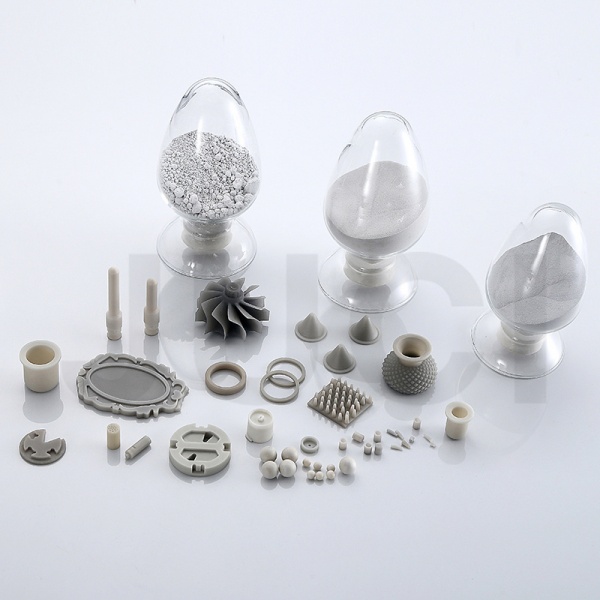
High-purity aluminum nitride powder


 Market data shows that AlN packaging can reduce power module operating temperatures by 30-45°C, extend lifespan by 2-3 times, and actually lower total costs by 15-30%. With the explosive growth of 5G, AI, and electric vehicles, AlN's penetration rate in high-end packaging is expected to exceed 40% within three years. For electronics manufacturers pursuing high performance and reliability, early adoption of AlN technology will be key to winning the next-generation product competition. We offer complete solutions from sample testing to mass production support to help customers achieve rapid technology upgrades.


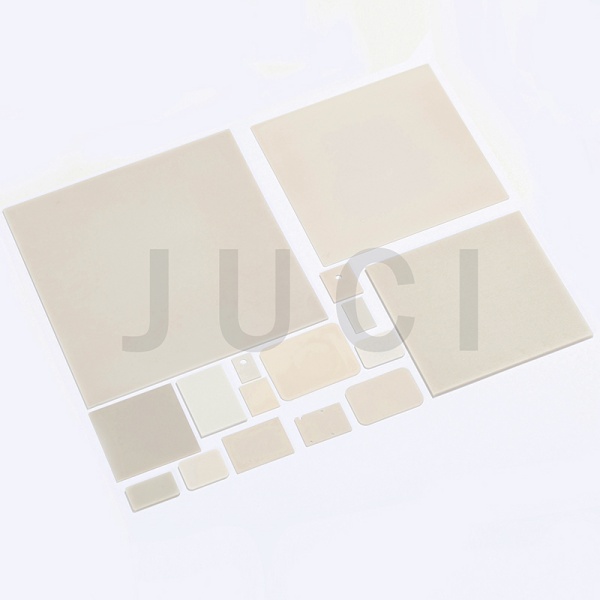
High thermal conductivity aluminum nitride substrate


About Xiamen Juci Technology Co., LTD


Xiamen Juci Technology Co., Ltd. is the largest manufacturer of aluminum nitride powder in China in terms of output. The aluminum nitride powder and customized ceramics produced by Xiamen Juci Technology Co., Ltd. feature higher thermal conductivity and more competitive prices. We are committed to providing customers with advanced thermal management technologies and offering effective thermal management solutions for industries such as 5G, semiconductors, new energy, aerospace, etc.


Media Contact:
Xiamen Juci Technology Co., Ltd.

Phone: +86 592 7080230
Email: miki_huang@chinajuci.com

Website: www.jucialnglobal.com