The trend of skin care for sensitive skin has blown into the field of children's care

In recent years, the market for adult sensitive skin care has remained booming, and nowadays, this trend is rapidly spreading to the field of children's care. With the rise of "ingredient party parents" and the popularization of scientific parenting concepts, as well as the high incidence of pediatric skin problems, the care of children's sensitive skin has become a new growth point in the maternal and infant industry.


Modern parents are no longer satisfied with the simple "gentle and non-irritating", but pursue "precise care". They hope that the product can provide customized solutions for different age groups (0-3 years old, 3-6 years old, over 6 years old) and different problems (eczema, redness, dryness, etc.). This demand urges brands to conduct in-depth research on the development patterns of children's skin and develop more targeted products.


It is worth noting that this trend is reshaping the market landscape. Products that traditionally rely on "cute packaging" and "gentle claims" are losing their competitiveness, while emerging brands with medical endorsements, transparent ingredient lists and clinical verification are rising rapidly.

Carbomer 974P/971P/71G/934P


When the trend of sensitive skin care reaches the children's field, our raw material manufacturers are no longer merely "ingredient suppliers", but need to become "co-creators of children's skin health solutions". From the scientific selection of natural raw materials, to the cutting-edge exploration of technology, and then to the construction of trust that is compliant and transparent, every link needs to be centered on "children's skin safety". Only in this way can we provide brand owners with truly differentiated and competitive raw materials in this blue ocean market, while safeguarding the healthy future of the next generation of skin.


We, Anhui Newman Fine Chemicals Co., Ltd., are the top leading manufacture of carbomer and acrylates copolymer, and related polymers such as PVP K30, K 90 and PVP/VA 64. Especially our NM-Carbomer 20,2020,21 etc. are hydrophobically modified, cross-linked acrylate copolymers. In addition to the efficient thickening, suspension, they self- wet and disperses quickly in minutes, which remarkably meet formulators’ ease-use need. They have higher electrolyte tolerance and handle a higher level of surfactant actives, being ideally suited for use in formulations containing higher levels of oils, botanical ingredients such as shampoos and hair care products, and hydroalcoholic gels. 


Also, we have been launching pharmaceutical grade carbomer homopolymer type A/B/C, such as NM-Carbomer 934P974P, 971P, 970G, and carbomer copolymer, carbomer copolymer such as NM-Carbomer TR-1PTR-2 P, and Carbomer interpolymer such as NM-Carboemr2020NF/2020G, NM_Carbomer 10G/10NF series types. NM-Carbomers meet the requirements of major pharmacopoeia such as Chinese Pharmacopoeia 2020, USA Pharmacopoeia USP/NF, European Pharmacopoeia EP, British Pharmacopoeia BP and other relevant regulations. They have been successfully used in over the counter and pharmaceutical formulations to impart rheology modification, mucoadhesion, controlled drug release, and many other unique properties.


In the wave of consumption classification, Anhui Newman continues to establish new advantages in the raw material supply chain.

The current domestic beauty market shows a clear two-sided trend. On one hand, the overall market growth has slowed down, and in some months, it even declined. Consumers' purchasing behavior has become more rational, and they no longer blindly pursue brands but rather pay more attention to the efficacy, safety, and cost-effectiveness of products. On the other hand, the sub-sectors such as efficacy skincare and post-treatment for medical aesthetics have maintained a high growth rate. The group of ingredient enthusiasts is expanding continuously, and they are increasingly in-depth in their understanding of product ingredients, demanding higher quality and efficacy of the ingredients.


With the segmentation of consumption, consumers are paying more attention to the ingredients and efficacy of beauty products, and the technical content of raw materials has become the key to enhancing product competitiveness. Anhui Newman Fine Chemicals Co., Ltd., are the top leading manufacture of carbomer and acrylates copolymer, We have always placed great emphasis on technological innovation. Under the consumption classification trend, we have increased research and development investment and continuously optimized the performance of carbomer products. As a global supplier, Anhui Newman actively participates in international exhibitions and collaborates with customers from over 120 countries. The company has obtained certifications for the ISO9001 quality system, 14001 environmental system, 45001 occupational health and safety system, as well as the Ecovadis certification for the social responsibility system and received a silver award. All products have completed registration with the EU EU REACH and the National Medical Products Administration (CDE, NMPA).


Currently, in order to ensure smooth entry into Muslim regions such as Southeast Asia and the Middle East in line with Muslim customs, some countries (such as Indonesia) have expanded the certification scope to service areas. We are conducting Halal certification (cleaning and purity certification) for all of our products.


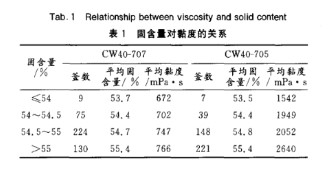
Newman carbomer has gained increasing favor from global customers due to its superior  quality and diverse product range. In the personal care products sector alone, Newman Carbomer has over 36 models. As a water-soluble rheological modifier, it can meet the constantly changing market demands. We continuously innovate and introduce a series of Carbomer products with different properties, ranging from powder to liquid, including wide pH range compatibility and electrolyte resistance. For instance, we have not only launched traditional products with high-cost performance such as Newman Carbomer 996,970,990 and 981, but also improved Carbomer products like 202110, 30 and 35. The polymer emulsifier NM-Carbomer TR series products are to meet the demands of customers. Meanwhile, liquid carbomer NM-Carbomer SF-1, Aqua 30. NM-Carbomer Aqua10, NM-Carbomer Aqua 20 and NM-Carbomer Aqua 25 were also launched. As an easy-to-use liquid form, due to the special chemical structure, It has a good synergistic thickening effect with surfactants, micelles and hydrophobic raw materials, and has excellent salt resistance. As shown in Table 1 

carbomer/Carbopol ultrez 10 /20/21/20 polymer


At the same time, we continue to launch film forming, thickening and lubrication polyvinylpyrrolidone homopolymer such as PVP K30K90, K17, K25, and PVP/VA copolymer such as PVP/VA64, PVP/VA73 and other series of products.


The construction of a compliance system is the bottom line that Anhui Newman must adhere to, and it is also the passport for entering the market. We closely monitor the latest updates of relevant domestic and international regulations and standards to ensure that all products meet the latest requirements. From raw material procurement to production processing, and up to product delivery, each stage must undergo strict quality control and safety inspections, and a traceable quality system must be established.


In the future, as the consumption market continues to evolve, we will continuously strengthen technological innovation, deepen the global resource layout, and enhance supply chain agility. We will maintain a leading position in the fierce market competition.


The appearance-based economy is prevalent, and the men's beauty products market share increasing

In the current era where "appearance-based economy" prevails, the men's beauty market is experiencing an unprecedented growth, emerging as a significant and emerging force within the beauty industry. In traditional thinking, beauty and skincare were perceived as exclusively for women, and men's grooming of their appearance was often limited to relatively basic levels. However, with the development of society, social concepts have become more diverse and inclusive.


Men are beginning to realize that a good appearance is not only about personal charm but also an important factor in demonstrating confidence and professionalism in social and workplace settings. This shift in perception has led to an increasing number of men proactively paying attention to beauty products. From the initial simple shaving foams and facial cleansers, to the current rich product lines covering skincare, makeup and more, the market size of men's beauty products continues to expand, showing great potential for development. At the same time, in the men's beauty industry chain, the role of upstream raw material manufacturers has become increasingly crucial, as they are the foundation for product innovation and quality assurance.


 Carbomer 940/980/934P/974P, Carbopol SF-1/Auqa 30,Aculyn 22/28/88


Anhui Newman Fine Chemicals Co., Ltd., are the top leading manufacture of carbomer and acrylates copolymer, carbomer is one of the core products of Anhui Newman. It has been included in the "Directory of Used Cosmetic Raw Materials (2021 Edition)", and is widely used as a water-soluble rheological modifier and pharmaceutical excipient in the fields of medicine and personal care products. In men's beauty products, carbomer plays an important role.


We have been making  business cooperation with the top 10 international company based on long term partnership to develop our own characteristics products. Especially our NM-Carbomer 20,2020,21 etc. are hydrophobically modified, cross-linked acrylate copolymers. In addition to the efficient thickening, suspending, and other properties of traditional carbomer such as NM-Carbomer 990,996,960,970, etc., they self- wet and disperses quickly in minutes, which remarkably meet formulators’ ease-use need. They have higher electrolyte tolerance and handle a higher level of surfactant actives, being ideally suited for use in formulations containing higher levels of oils, botanical ingredients such as shampoos and hair care products, and hydroalcoholic gels. Also, liquid carbomer such as NM-Carbomer SF-1with INCI name acrylates copolymer. NM-Carbomer Aqua10 with Acrylates/beheneth-25 methacrylate copolymer. And NM-Carbomer Aqua 20, NM-Carbomer 25 with INCI name Acrylates/ Steareth-20 Methacrylate Copolymer. NM-Carbomer 25 with INCI name Acrylates/ Steareth-20 Methacrylate Crosspolymer. As Anionic hydrophobic modified alkali swelling acrylic polymer emulsions (HASE), they are easy-to-use liquid form and can be instantly thickened and after providing easy handling to improve production efficiency. Due to the special chemical structure, it has excellent salt resistance, especially suitable for the formulation system with high surfactant content, such as anti-dandruff shampoo, shower gels, facial cleanser liquid soap, etc.


In addition,  PVP K 90, and K30 are extensively applied in hair care, skin care and oral care products, especially for hair styling products. And  VP/VA copolymers such as 64, 73 forms hard, water-removable, and glossy films so they are the excellent choice as film forming agent and hair-styling agent.


The rise of the men's beauty market is a vivid manifestation of the diversification of the consumer market. During this process, our raw material manufacturers have continuously innovated and upgraded their technologies, injecting new vitality into the industry's development. As the market becomes more mature and consumer demands continue to evolve, the men's beauty market will undergo more changes. And Anhui Newman will play an increasingly important role in it, growing together with the entire industry.


How to produce silver coated copper powder

The ideal characteristics of silver coated copper powder largely depend on the perfection and consistency of the silver coating at the microscopic level. High quality silver coated copper powder is a prerequisite for realizing its application value. The core goal and difficulty of the preparation process is to achieve uniform, dense, continuous, and thickness controllable silver layer coverage on the surface of copper powder particles. At present, the preparation methods of silver coated copper powder mainly include mechanical ball milling, melting spray, chemical plating, etc
01 Mechanical ball milling method
The mechanical ball milling method is to mix copper powder and silver powder in proportion and place them in a ball mill. By relying on the intense impact, friction, and cold welding effects generated by the high-speed rotating grinding ball, silver is forcibly squeezed, adhered, and cold welded to the surface of copper particles. The advantage of this method lies in its relatively simple equipment, concise process, high theoretical yield, and low cost, without involving complex chemical reactions or waste liquid treatment issues. However, the "silver layer" formed is essentially silver fragments or clumps mechanically attached and cold welded, making it difficult to achieve a uniform, continuous, pore free, and dense complete coating layer. There are problems with incomplete coverage, weak bonding force, and weak control over the coating morphology. To improve the coating effect of traditional ball milling methods, copper powder is generally shaped into flakes during the ball milling process, significantly increasing the contact area between copper powder and silver particles while shortening the diffusion path of silver atoms. This is conducive to the more effective diffusion of silver substances on the surface of copper sheets, ultimately forming silver coated copper sheets with stronger bonding force, relatively denser and more uniform coating. However, the mechanical ball milling method is prone to introducing wear impurities from the grinding balls and the tank body, posing potential challenges to the stability and long-term reliability of product performance.
02 Melting spray method

The melt atomization method is to atomize molten droplets containing copper and silver and solidify them under rapid cooling conditions. Due to the higher fluidity of silver compared to copper at higher temperatures (>900 ℃), it can migrate to the surface of copper particles and achieve coating of copper particles. Using this technology to prepare silver coated copper powder, its silver content is extremely low, but the surface silver content is very high, and the silver content gradually decreases from the surface to the interior, showing a ladder like distribution. However, the preparation process is relatively complex, the production cost is high, and it is not suitable for large-scale production.

03 Chemical plating method
Chemical silver plating is the process of reducing silver ions in a solution to elemental silver through an oxidation-reduction reaction, and depositing and coating it on the surface of a copper substrate. The advantages of chemical plating method are good uniform plating and deep plating ability, which can be applied to non-metallic and semiconductor materials. The equipment is simple and the operation is easy. It is currently the most widely used method for preparing silver coated copper powder. According to the sedimentation mechanism, chemical plating can be divided into two types: displacement method and reduction method:
① Substitution method
The displacement method utilizes the characteristic that the reduction potential of copper is lower than that of silver. When copper powder is immersed in a solution containing silver ions (Ag ⁺), an electrochemical displacement reaction occurs: 2Ag ⁺+Cu ->2Ag+Cu ² ⁺. Silver ions are reduced and deposited on the surface of copper powder, while copper atoms are oxidized into copper ions and enter the solution. However, due to the displacement reaction between copper powder and silver source, the copper powder is enveloped by silver coating, which hinders the progress of the displacement reaction. At the same time, the reaction rate between copper powder and silver source solution is fast, and the silver coating quickly deposits on the surface of the copper powder. Therefore, silver coated copper powder prepared by displacement method often has the problem of thin and loose coating, which affects its performance. Generally, chelating agents (such as ammonia water) can be added during the preparation process to reduce the reaction rate, allowing silver metal to slowly deposit on the surface of copper powder, or multiple silver plating can be used to improve the morphology and coating rate of silver coated copper powder.

② Restoration method
The reduction method uses reducing agents (such as formaldehyde, glucose, hydrazine hydrate, ascorbic acid) to reduce silver ions (Ag ⁺) in the solution to elemental silver and deposit it on the surface of copper powder. The reaction mechanism consists of two stages: firstly, due to the higher activity of copper (Cu) than silver (Ag), copper powder first undergoes a displacement reaction with Ag ⁺: 2Ag ⁺+Cu → 2Ag+Cu ² ⁺, forming a thin layer of silver on the copper surface. As the replacement silver layer covers the copper surface, it hinders direct contact between copper and Ag ⁺, and the replacement reaction stops. At this point, the Ag ⁺ in the solution mainly relies on the reducing agent to undergo a reaction (such as 2Ag ⁺+reducing agent → 2Ag+oxidation product), and silver continuously and uniformly deposits and thickens on the initial displacement layer, forming a denser silver coating layer.


SAT NANO is a best supplier of silver coated copper powder in China, we can supply nano particle size and micro particle size, if you have any enquiry, please feel free to contact us at admin@satnano.com

What Factors Affect Aluminum Nitride Powder? How to Evaluate It?

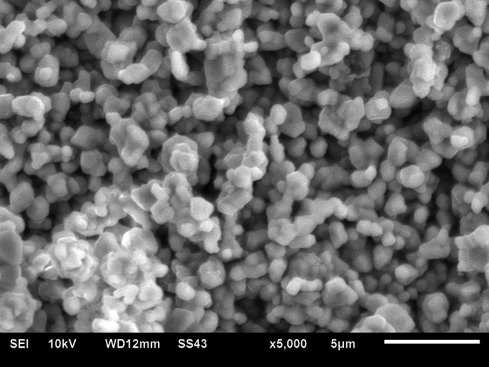
High-grade AlN powder is the cornerstone of the aluminum nitride industry, characterized by low oxygen content, high specific surface area, narrow particle size distribution, excellent sintering activity, and moisture resistance.


High-purity aluminum nitride powder


Oxygen Content in Powder

This is a critical indicator for high-grade AlN powder. The oxygen in AlN primarily comes from surface-adsorbed oxygen, existing as a mixture of Al₂O₃ and AlOOH coating the powder particles. During sintering, oxygen easily diffuses into the AlN lattice, forming structural defects such as aluminum vacancies. These defects scatter phonons, reducing their mean free path and ultimately degrading the material's thermal conductivity.


Specific Surface Area & Particle Size Distribution

Generally, as particle size decreases and specific surface area increases, the powder's surface energy rises, enhancing its reactivity and sintering driving force. The specific surface area, dispersibility, particle size, and distribution are key factors determining densification and the final performance of sintered products.


Other Impurities & Their Content

Besides oxygen, other impurities can dissolve into the AlN lattice, introducing defects that further reduce thermal conductivity.


Moisture Resistance

AlN powder is prone to hydrolysis in humid air, reacting with water vapor to form Al(OH)₃ and NH₃, as shown in Equation (1). The loose byproducts fail to protect the powder, leading to continuous oxidation and even deterioration. Therefore, AlN powder must be stored in a dry, sealed environment. To improve storage, transportation, and usability, surface modification can enhance its hydrolysis resistance.

AlN + 3H₂O → Al(OH)₃ + NH₃  (1)


Conclusion

With the advancement of semiconductors, aerospace, new energy, and 5G communications, thermal management in high-power and high-heat-flux devices has become a major challenge affecting performance and reliability. As a high-performance thermal conductive material, AlN is gaining broader applications.


Aluminum nitride micron powder


About Xiamen Juci Technology Co., LTD


Xiamen Juci Technology Co., Ltd. is China's leading manufacturer of aluminum nitride (AlN) powder by production volume. Our high-purity aluminum nitride powder and customized AlN ceramic products deliver superior thermal conductivity and cost-effective performance, making them ideal for advanced thermal management applications.

We specialize in innovative thermal solutions tailored for industries such as 5G communications, semiconductors, new energy, and aerospace, helping clients achieve optimal heat dissipation and system reliability.


Media Contact:
Xiamen Juci Technology Co., Ltd.

Phone: +86 592 7080230
Email: miki_huang@chinajuci.com

Website: www.jucialnglobal.com

Anode Binder The Essential Glue in Your Lithium Battery

Lithium-ion batteries power our world. While the anode stores energy, its performance relies heavily on a critical, often overlooked component: the anode binder. Understanding what the anode is made of and why the binder is vital, especially the advantages of modern PAA, is key to better batteries.

 anode binder

What's Inside a Lithium Battery Anode?

The anode primarily consists of:

  • Graphite: The main material storing lithium ions.

  • Silicon: A promising high-capacity material, but prone to significant volume changes.

  • Conductive Additives: Essential for electrical flow.

  • The Anode Binder: The crucial adhesive holding everything together and attaching it firmly to the copper current collector.

Why the Anode Binder is Indispensable  

The anode binder isn't just glue,it performs essential functions:

  • Mechanical Strength: It binds all active particles and conductive additives into a cohesive, robust structure.

  • Strong Adhesion: It securely anchors the entire electrode layer to the copper current collector, preventing dangerous delamination.

  • Manufacturing Enabler: It allows the formation of a stable slurry for smooth, uniform coating during production.

  • Volume Change Manager: Crucially, it absorbs and buffers the stresses caused by expansion and contraction of materials like silicon during charging and discharging.

  • Electrical Integrity: It helps maintain vital electrical contact between particles throughout the battery's life cycles.

 anode binder

PAA Anode Binder: Outperforming Traditional SBR/CMC  

For years, the standard anode binder system combined Styrene-Butadiene Rubber (SBR) and Carboxymethyl Cellulose (CMC). However, Polyacrylic Acid (PAA)   anode binders are increasingly favored, especially for advanced anodes containing silicon, offering distinct advantages:

  • Unmatched Adhesion: PAA forms significantly stronger chemical bonds with both the active materials (graphite, silicon) and the copper current collector compared to SBR/CMC. This drastically reduces the risk of electrode failure due to delamination.

  • Superior Handling of Silicon: PAA's unique combination of mechanical strength and elasticity is far better equipped to restrain the large volume changes in silicon particles and maintain electrode integrity. SBR/CMC binders struggle significantly with silicon's demands.

  • Enhanced Mechanical Properties: PAA provides excellent toughness and flexibility, allowing the electrode to withstand the repeated stresses of lithium insertion and extraction without cracking.

  • Improved Stability: PAA generally demonstrates better electrochemical stability under the challenging low-voltage conditions at the anode, leading to potentially longer battery life.

PAA anode binder

The anode binder is fundamental to lithium-ion battery performance, safety, and lifespan. While traditional SBR/CMC binders work for basic graphite anodes, the push for higher energy density necessitates silicon, and here PAA anode binders shine. Their exceptional adhesion, ability to manage demanding volume changes, and robust mechanical properties make PAA the critical enabling technology for next-generation, higher-capacity lithium-ion batteries. Choosing the right anode binder is essential for powering the future.

What raw materials are needed for disposable nursing pads?

Disposable nursing pads are mainly made of the following raw materials:

PE film: PE film is polyethylene film, which has good waterproof properties and can effectively prevent liquid leakage. It is a common material for the bottom layer of nursing pads.

PE film

Non-woven fabric: Non-woven fabric is a material made by physically bonding fibers together. It has the characteristics of lightness, breathability, softness and skin-friendliness. In nursing pads, non-woven fabrics are often used in the surface and middle layers, providing good touch and breathability, and also helping the rapid penetration and distribution of liquids.

Non-woven fabric

Fluff pulp: Fluff pulp is a kind of wood pulp or waste paper pulp that has been specially processed and has good water absorption and fluffiness. In nursing pads, fluff pulp is the main material of the absorption layer, which can quickly absorb and store liquids and keep the surface dry.


Polymer absorbent material: Polymer absorbent materials such as super absorbent resin (SAP) have super strong water absorption capacity, can absorb hundreds of times its own volume of water, and firmly lock the liquid to prevent leakage. This material serves as the core absorption layer in the nursing pad, ensuring that the product has excellent water absorption and liquid retention properties.

Polymer absorbent material

In addition, according to the specific product design and production process requirements, disposable nursing pads may also contain other auxiliary materials, such as elastic materials, hot melt adhesives, etc. These materials play the role of fixing, fitting, and bonding in the nursing pad, which helps to improve the comfort and use effect of the product.

In summary, the raw materials of disposable nursing pads mainly include PE film, non-woven fabrics, fluff pulp and polymer absorbent materials, etc., which together constitute the structural and functional basis of the nursing pad.

For more information, please click www.glinknonwoven.com

What Impact Does the Residual Carbon Content Have on AlN Ceramics?

Aluminum nitride (AlN) substrates possess ultra-high thermal conductivity, excellent electrical insulation, and thermal expansion properties similar to semiconductor materials like silicon wafers, making them widely applicable in the electronics packaging industry.


Aluminum nitride substrate


The market leader in China for raw aluminum nitride powder is Xiamen Juci Technology Co., Ltd., with an annual production capacity of 700 tons of AlN powder. Xiamen Juci Technology primarily employs the carbothermal reduction method to produce high-purity electronic-grade aluminum nitride powder. The advantage of the carbothermal reduction method is its ability to utilize a wide range of raw materials (Al₂O₃) while maintaining stable process control.


The principle of the carbothermal reduction process involves heating a uniformly mixed blend of Al₂O₃ and carbon in a nitrogen atmosphere. First, Al₂O₃ is reduced, and the resulting aluminum reacts with nitrogen to form AlN. The chemical reaction is as follows: Al₂O₃(s) + 3C(s) + N₂(g) → 2AlN(s) + 3CO(g). This method is simple, yields high-purity powder with small and uniformly distributed particle sizes, but requires a long synthesis time and high nitridation temperatures. Additionally, excess carbon must be removed after the reaction. Incomplete carbon removal leads to excessive residual carbon content in the aluminum nitride powder, which significantly impacts its performance.


High-purity aluminum nitride powder


Excessive residual carbon content primarily affects aluminum nitride ceramics in the following ways:

1. Impact on the Sintering Process

During the sintering of aluminum nitride ceramics, residual carbon content influences the densification and microstructure of the sintered body. Excessive residual carbon may lead to the formation of pores or cracks in the sintered body, thereby reducing the material's mechanical properties and thermal stability.


2. Impact on Thermal Conductivity

The presence of residual carbon directly affects the thermal conductivity of aluminum nitride ceramics. Since carbon has much lower thermal conductivity than aluminum nitride, an increase in residual carbon content will reduce the overall thermal conductivity of the ceramic.


3. Impact on Mechanical Properties

Residual carbon content also affects the mechanical properties of aluminum nitride ceramics, such as flexural strength and fracture toughness. Experimental studies have shown that as temperature decreases, aluminum nitride ceramics with an appropriate amount of residual carbon exhibit improved flexural strength and fracture toughness. However, excessively high residual carbon content may lead to internal stress concentration, thereby degrading mechanical performance.


4. Impact on Electrical Properties

For applications requiring high electrical insulation, the presence of residual carbon may reduce the electrical insulation performance of aluminum nitride ceramics. Since carbon is inherently conductive, excessive residual carbon content increases the material's electrical conductivity, negatively impacting its use in electronic applications.


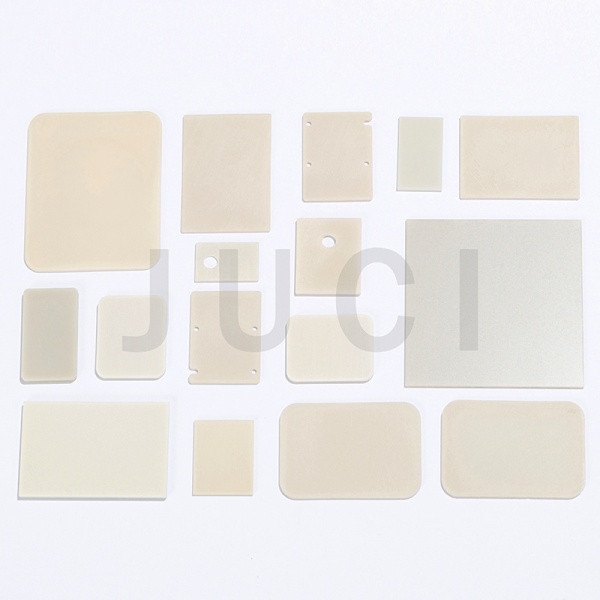
AlN products


About Xiamen Juci Technology Co., LTD


Xiamen Juci Technology Co., Ltd. is the leading manufacturer of aluminum nitride powder in China in terms of output. The aluminum nitride powder and customized ceramics produced by Xiamen Juci Technology Co., Ltd. feature higher thermal conductivity and more competitive prices. We are committed to providing customers with advanced thermal management technologies and offering effective thermal management solutions for industries such as 5G, semiconductors, new energy, aerospace, etc.


Media Contact:
Xiamen Juci Technology Co., Ltd.

Phone: +86 592 7080230
Email: miki_huang@chinajuci.com

Website: www.jucialnglobal.com


Customer Project PA6-LGF30 Solution for Agricultural Equipment - Dairy Cow Leg Separator

Application Background

The cow leg separator is a ground-mounted component used in modern milking parlors to gently guide dairy cows into a stable stance, automatically separating their hind legs to facilitate milking.


This device often features mounting holes for spray nozzles, allowing for automated cleaning or sanitizing of the udder and legs using water or disinfectant spray.


Previously, the separator was typically made from short glass fiber reinforced plastic.


However, under repeated load, hoof impact, and exposure to harsh farm environments—such as manure, moisture, and cleaning chemicals—short fiber materials often suffered from insufficient strength, deformation, cracking, or premature aging.


Material Upgrade

Advantages of PA6 Long Glass Fiber 30% (LGF-PA6)

• High Load-Bearing Strength
PA6 reinforced with 30% long glass fiber (LGF-PA6) forms an internal continuous-fiber skeleton during molding, significantly boosting mechanical strength. This allows the separator to safely withstand the full bodyweight of cows stepping or standing on it without deformation or breakage, ensuring safety and long-term structural stability.

• Excellent Chemical Resistance
Farm environments expose equipment to a mix of urine, feces, disinfectants, and detergents. LGF-PA6 exhibits strong resistance to chemical corrosion and environmental degradation, maintaining its integrity and mechanical properties over time—critical for hygienic and durable milking operations.

• Superior Impact and Fatigue Performance
Unlike short fiber composites, LGF-PA6 offers enhanced fatigue durability, effectively handling daily stress from cow movement, hoof impact, and vibrations without cracking or weakening, reducing maintenance and replacement costs.

• Dimensional Stability and Clean Finish
With reduced shrinkage and warping during injection molding, LGF-PA6 ensures tight dimensional tolerances for secure fitting of spray system components. The smooth molded surface enhances appearance, reduces dirt buildup, and simplifies cleaning, supporting farm hygiene standards.


Performance Comparison

Property
PA6 Short Glass Fiber
PA6 Long Glass Fiber
Load Strength
Moderate
High – supports cow stepping
Durability Prone to cracking
Excellent fatigue resistance
Stability Shrink/warp risk
Stable and precise
Chemical Resistance
Limited
Resistant to farm chemicals
Surface
Rough, traps dirt
Smooth, easy to clean
Processing
Standard
Efficient, no post-treatment


PA6 reinforced with 30% long glass fiber


Ready to Upgrade Your Milking Equipment?
Discover how PA6 Long Glass Fiber 30% can deliver the strength, durability, and chemical resistance your cow leg separators and other agricultural components demand.

Whether you're improving existing parts or developing new equipment, our material experts are here to support you with tailored solutions.

Contact us today to request samples, technical data, or discuss how long fiber thermoplastics can enhance your product performance across a range of agricultural applications.


A series of physical and chemical changes that occur in powder particles through sintering

The essence of sintering is that the powder block is heated in an appropriate environment or atmosphere, and through a series of physical and chemical changes, the bonding between powder particles undergoes a qualitative change. The strength and density of the block increase rapidly, and other physical and mechanical properties are also significantly improved. The performance of ceramic materials is not only related to their chemical composition, but also closely related to their microstructure. After the formulation, mixing, forming and other processes are completed, sintering is the key process to obtain the expected microstructure of the material and endow it with various properties.

Sintering is a process that reduces pores in the formed body, increases the bonding between particles, and improves mechanical strength. During the sintering process, as the temperature increases and the heat treatment time prolongs, the number of pores decreases and the bonding force between particles increases. When a certain temperature and heat treatment time are reached, the grain size increases and the mechanical strength decreases. According to thermodynamic principles, sintering is a process in which the total energy of a system is reduced. Compared to bulk materials, powders have a large specific surface area, and surface atoms have much higher energy than internal atoms. At the same time, various lattice defects also exist inside the powder particles during the manufacturing process. Any system has a tendency to transition to the lowest energy state, which is the driving force of the sintering process, that is, the transition from the compact to the sintered compact is the process of the system transitioning from a metastable state to a stable state.

However, sintering generally cannot be carried out automatically because its inherent energy cannot overcome the energy barrier and must be heated to a certain temperature before it can proceed. Sintering is a complex process of physical and chemical changes. After long-term research, the sintering mechanism can be summarized as follows: ① fluidity, ② evaporation and agglomeration; ③ Volume diffusion; ④ Surface diffusion: grain boundary diffusion; Plastic flow, etc. Practice has proven that it is difficult to explain all sintering processes using any single mechanism. Sintering is a complex process that is the result of the interaction of multiple mechanisms. During the sintering process, the main changes occur in the size and shape of grains and pores. Taking the sintering process of Al2O3 ceramics as an example to illustrate the sintering process of ceramic materials: Al2O3 ceramics generally contain several tens of percent of pores during growth and failure, and there is only point contact between particles. Under the driving force of reduced surface energy, the substance fills the neck and pore areas between particles through different diffusion pathways, causing the neck to gradually grow and the volume occupied by the pores to gradually decrease. Grain boundaries gradually form between small particles, and the area of the grain boundaries continues to expand, making the body denser. During this considerable process, the connected pores continuously shrink, and the grain boundaries between two particles meet adjacent grain boundaries, forming a grain boundary network: the grain boundaries move and the grains gradually grow. The result is a reduction in porosity and an increase in densification, until the pores are no longer connected to each other, forming isolated pores distributed at the intersection of several grains.


At this point, the density of the green body reaches over 90% of the theoretical density, and the early stage of sintering ends here. Continuing into the later stage of sintering, isolated pores diffuse to the grain boundaries to eliminate them, or in other words, substances on the grain boundaries continue to diffuse and fill the pores, allowing densification to continue while the grains continue to grow uniformly. Generally, pores move along with grain boundaries until densification occurs, resulting in a dense ceramic material. If sintering continues at high temperatures thereafter, it will be a simple process of grain boundary movement and grain growth. The growth of the grain boundary is not the mutual bonding of small particles, but the result of grain boundary movement. The movement of grain boundaries with different shapes varies. Curved grain boundaries always move towards the center of curvature. The smaller the curvature radius, the faster the movement. During the grain growth process in the later stage of sintering, there may be a phenomenon where the migration rate of pores is significantly lower than that of grain boundaries. At this time, pores detach from the grain boundaries and are wrapped inside the grains. Subsequently, due to factors such as the lengthening of the material diffusion path and the decrease in diffusion rate, it became almost impossible to continue with the further reduction and elimination of pores. In this case, further sintering is difficult to improve the degree of densification, but the grain size will continue to grow, and even abnormal growth of a few grains may occur, causing more residual small pores to be trapped deep in the larger grains.

After sintering, the macroscopic changes of Al2O3 ∝ ceramic body are: volume shrinkage, density increase, and strength increase. Therefore, the degree of sintering can be measured by indicators such as the shrinkage rate, porosity, or the ratio of bulk density to theoretical density of the green body.

The sintering of ceramics can be divided into solid-phase sintering and liquid-phase sintering. High purity substances usually do not exhibit liquid phase at sintering temperature and belong to solid-state sintering. For example, high-purity oxide structured ceramics are mostly sintered into ceramics through solid-state sintering. And some often have liquid phase during sintering, which belongs to liquid-phase sintering. In addition, sintering can be divided into two categories based on the presence or absence of external pressure: pressureless sintering and pressure sintering. Pressure sintering, also commonly known as hot pressing sintering.

Pure oxide or compound powders are formed into green bodies with only point contacts between particles, resulting in low strength. However, through sintering, although there is no external force or chemical reaction during sintering, the particles in point contact can tightly bond into a hard and high-strength ceramic body, driven by the surface energy of the powder particles.


SAT NANO is a best supplier of sintering material in China, we can offer Al2O3 nanopowder, ZrO2 nanopowder, and MgO nanopowder for sintering, if you need other materials for sintering, please feel free to contact us at admin@satnano.com