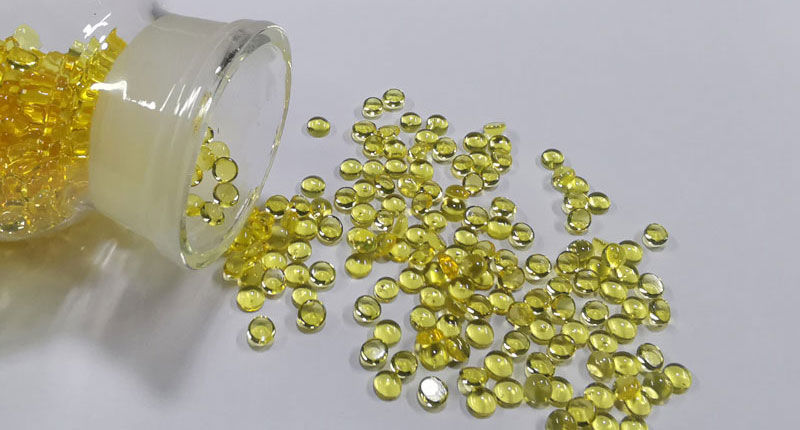
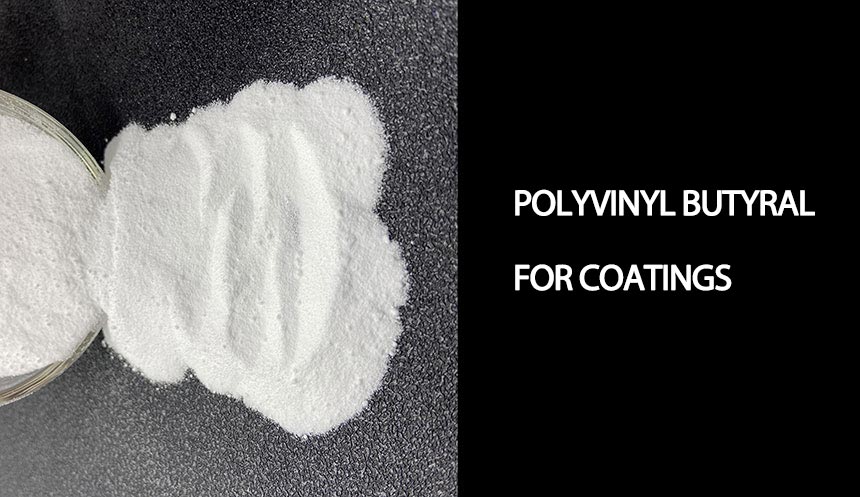
Polyvinyl Butyral One of the key characteristics of PVB is its high transparency. PVB films PVB exhibits remarkable adhesion to various substrates, including glass, metals, and plastics. This adhesive property makes it an ideal interlayer material for laminated safety glass. The strong bond created by PVB interlayers holds the glass together even when it breaks, thus providing enhanced protection against personal injury and property damage. The adhesion of PVB also makes it suitable for laminating other materials, such as textiles, metals, and electronic components. When used as an interlayer in laminated glass, PVB significantly improves impact resistance. The tough and flexible nature of PVB helps absorb and distribute energy upon impact, minimizing the risk of breakage. This impact-resistant property finds applications in safety glass for automotive windshields, architectural structures, and bullet-resistant glass. PVB exhibits excellent resistance to ultraviolet (UV) radiation. It acts as a UV stabilizer, protecting the underlying materials from degradation caused by prolonged exposure to sunlight. This makes PVB an ideal choice for outdoor applications, such as solar panels and architectural glazing, where UV resistance is crucial. PVB can be customized and modified to suit specific application requirements. By altering the molecular weight and modifying the plasticizers, various grades of PVB with different characteristics can be produced. This versatility enables manufacturers to tailor PVB properties such as viscosity, glass transition temperature, and adhesion strength to meet the specific needs of different industries, including automotive, construction, and electronics. Website: www.elephchem.com Whatsapp: (+)86 13851435272 E-mail: admin@elephchem.com
How to customize the designs on the diaper lamination backsheet film
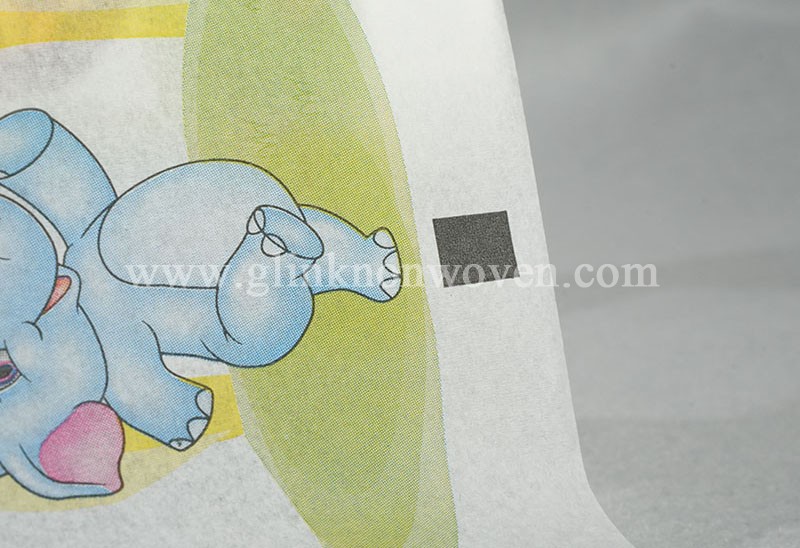
The clothlike PE film backsheet for diaper can be customized with your own pattern. The composite film bottom film of diapers is usually used for the outer layer of diapers, which has functions such as breathability and waterproofing. At the same time, it is also an important part of showcasing product design and brand image. Through specific printing techniques such as screen printing, various patterns can be printed on the composite film substrate to meet the needs and brand promotion requirements of different customers.

In practical operation, many diaper manufacturers provide pattern customization services, and customers can choose suitable patterns for breathable printed backsheet film printing based on their preferences, brand style, or market positioning. These patterns may include cartoon characters, brand logos, product feature descriptions, etc., aimed at enhancing the attractiveness and market competitiveness of the product.

Customized patterns on the PE full laminating fabric bottom not only enhance the aesthetic appearance of the product, but also increase its added value. Consumers are willing to pay higher prices for products with unique designs and good appearance. Customized patterns can enhance consumers' sense of brand identification and loyalty. When consumers develop a preference for a brand's design, they are more likely to continue purchasing products from that brand.

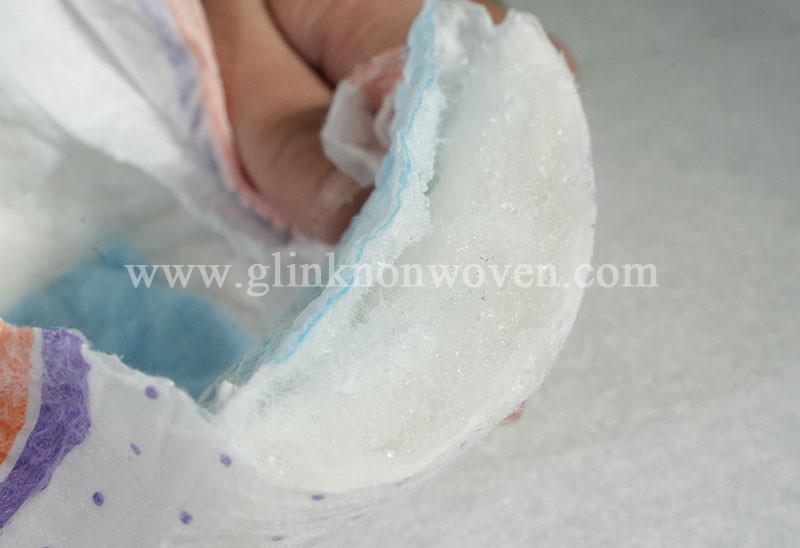
The main use of wood pulp SAP paper in the application of sanitary napkins
In the application of sanitary napkins, the main use of wood pulp absorbent paper is as an absorbent body, exerting its efficient water absorption performance. The following is a detailed analysis of the application of wood pulp absorbent paper in sanitary napkins:
1. Characteristics of Wood Pulp Absorbent Paper
Wood pulp SAP paper is made from wood or other plant-based cellulose materials and has excellent water absorption properties. The distance between its fibers is relatively large, which is conducive to the rapid penetration and absorption of water. At the same time, wood pulp has a soft texture that does not cause friction or discomfort to the skin, making sanitary napkins more comfortable to use.

2. The role of wood pulp absorbent paper in sanitary napkins
Super absorbent polymer paper can quickly absorb and lock menstrual blood, keeping sanitary napkins dry and effectively avoiding side leakage and re infiltration, thereby extending the use time of sanitary napkins. The fiber structure in wood pulp makes sanitary napkins have good breathability, which can reduce moisture and stuffiness, and lower the risk of skin infections. The soft texture of wood pulp absorbent paper can fit the skin, reduce friction and discomfort, and enhance the comfort of using sanitary napkins.

3. Comparison between pulp SAP paper and Other Absorbent Materials
Compared with polymer absorbent beads, dust-free paper and other absorbent materials, wood pulp absorbent paper has its unique advantages in the application of sanitary napkins. Although polymer water absorbing beads have strong water absorption capacity, their cost is relatively high; Dust free paper is more suitable for absorbing ultra-thin structures, but may be slightly inferior to wood pulp absorbent paper in terms of softness and comfort. Therefore, wood pulp absorbent paper occupies an important position in the sanitary napkin market due to its cost-effectiveness and comfort.

In summary, wood pulp absorbent paper plays a key role as an absorbent body in sanitary napkins. Its efficient water absorption performance, good breathability, and comfort make sanitary napkins drier, more comfortable, and safer to use.
Unleashing the Potential of VAE Emulsion Adhesive
VAE emulsion VAE emulsion is a versatile adhesive solution that finds widespread application due to its excellent adhesion properties. It is commonly used in industries such as construction, woodworking, packaging, and automotive, offering a reliable bond across different substrates. One notable advantage of VAE emulsion adhesive is its ability to form strong bonds on porous materials, including wood, paper, and fabric. The formulations of VAE emulsion vary based on the protective colloids used during production, resulting in diverse properties and performance attributes. VAE emulsion is usually prepared using a medium-pressure emulsion polymerization process, with an ethylene mass fraction of 10% to 40%, generally 14% to 18%. Using different protective colloids, the structure and performance of the emulsion are different. VAE emulsion made with polyvinyl alcohol VAE emulsion adhesive boasts several noteworthy characteristics that contribute to its popularity. It often exhibits excellent film-forming properties, creating a durable and long-lasting bond. The adhesive's high solid content allows for efficient coverage and reduced drying time, making it suitable for both manual and automated applications. Additionally, VAE emulsion adhesive typically possesses low VOC (Volatile Organic Compound) levels, promoting healthier and more sustainable working environments. Beyond its traditional use as an adhesive, VAE emulsion finds innovative applications through modification processes. By introducing compatible additives or compounds, VAE emulsion adhesive can achieve specific properties tailored to unique requirements. Examples include the modification of VAE emulsion adhesives for improved heat resistance in automotive applications, enhanced water resistance in packaging applications, or increased flexibility in textile applications. These modifications broaden the range of industries and applications that can benefit from VAE emulsion adhesive.
Unveiling the Versatility and Applications of PVA
Polyvinyl Alcohol PVA serves as an excellent adhesive for paints and coatings due to its strong bonding capabilities. It provides secure adhesion on various surfaces, including wood, metal, and plastics. Additionally, PVA glue offers good resistance to water, offering durability and longevity to the finished product. Specific like PVA 24-88 The paper making industry heavily relies on PVA adhesive for its superior binding properties. PVA plays a crucial role in paper formation, providing excellent adhesion between fibers. PVA adhesive enhances paper strength, improves printability, and reduces paper breakage during processing. For instance, like PVA 17-88 PVA adhesive finds extensive application in the woodworking industry, offering secure bonding for wood joints and assemblies. It provides strong adhesion with the ability to fill gaps and provide structural integrity to woodwork projects. Such as PVA 26-88 In the textile industry, PVA plays a vital role in various applications, including fabric sizing, finishing, and bonding. PVA adhesive provides a strong bond between different types of fabrics, enhancing the fabric's stability and durability. It is often used in textile printing, laminating, and embroidery applications due to its excellent film-forming properties. PVA adhesive ensures that textile products withstand repeated washing and retain their shape and color. One significant advantage of PVA is its water-soluble nature. This feature makes it convenient for various applications, including adhesives, films, and packaging. PVA's water solubility allows for easy cleanup and is particularly crucial in applications that require temporary adhesion or easy removal. It also makes PVA a preferred choice for water-soluble packaging materials. For example, pharmaceutical grade PVA0588 can be used to produce pharmaceutical capsule coatings. In addition to some of the applications mentioned above, PVA is also used in other industries. For example, PVA 20-88
Why is Polyvinyl Alcohol in-demand across different industries?
Polyvinyl Alcohol (PVA One of the key reasons for the widespread use of Polyvinyl Alcohol is its excellent water-solubility. When dissolved in water, PVA forms a clear, transparent, and flexible film that exhibits strong adhesion to different surfaces. This property makes it invaluable in applications such as paper coatings, adhesives, and textile sizing. Polyvinyl Alcohol is often preferred due to its compatibility with a wide range of materials. It exhibits excellent adhesion to various substrates such as paper, textiles, metal, wood, and plastics. This versatility allows for its use in multiple industries, including packaging, construction, textiles, and ceramics.
Introduction to different nonwoven fabric topsheet of diapers
Spunbond nonwoven fabric, hot air nonwoven fabric and thermal bond nonwoven fabric can all be used as the topsheet materials of diapers, and they each have different advantages and disadvantages. The following is a detailed analysis of these three materials:
Advantages: Spunbond nonwoven fabric has high strength, good elongation at break and tear strength, which makes diapers less likely to break during use. Spunbond nonwoven fabric is relatively thin, which helps to reduce the overall weight of diapers and improve the comfort of wearing.
Disadvantages: Compared with hot air nonwoven fabric, spunbond nonwoven fabric is slightly inferior in softness and breathability, which may cause a certain friction to the baby's delicate skin and affect breathability.

Advantages: Hot air nonwoven fabric has high fluffiness and elasticity, which makes the surface of diapers fit the baby's skin better and provide better comfort and wrapping. Hot air non-woven fabrics are soft to the touch and will not cause excessive friction on the baby's skin. At the same time, they have good warmth retention and are suitable for use in colder environments. Hot air non-woven fabrics have good air permeability and water permeability, which helps keep the inside of the diaper dry and reduce the risk of red bottom.

Disadvantages:
Low strength and easy deformation: The strength of hot air non-woven fabrics is relatively low and it is easy to deform during pulling, so more frequent changes may be required to maintain the integrity of the diaper.
3. Thermal bond non woven fabric
Advantages: The production process of thermal bond non woven fabric is relatively mature and the cost is low, so the price is relatively affordable.

Disadvantages: Hard feel and average breathability: Compared with hot air non-woven fabrics, thermal bond non woven fabric may feel slightly harder and have average breathability, which may not be suitable for babies with high comfort requirements.
(Note: Thermal bond non woven fabric is relatively rarely used on the topsheet of baby diapers, and are more commonly used in the medical and health fields. The reason for mentioning them here is to provide comprehensive information.)
Summary: When choosing the surface material of diapers, you need to consider factors such as the baby's skin condition, activity level, and seasonal changes. If the baby has delicate skin and requires high comfort, you can choose hot-air non-woven fabrics as the surface of diapers; if the baby has a large amount of activity and needs stronger mechanical support, you can choose spunbond non-woven fabrics as the surface of diapers. At the same time, you also need to pay attention to the frequency of diaper changes and cleaning care to keep the baby's skin healthy and comfortable.
What raw materials can be used for sanitary napkin topsheet materials?
Sanitary napkin topsheet materials can use a variety of raw materials, the following are some common ones:

Dry mesh material: The surface of this sanitary pad is made of polyethylene (PE) film with small holes, also known as perforated film. It has the advantages of fast absorption and long-lasting dry surface. However, because it is a chemical fiber component, it may cause allergic reactions such as itching, redness and swelling for women with sensitive skin.
Cotton surface material: The cotton surface is not pure cotton, but is made of non-woven fabrics such as polypropylene (PP). This material is soft and can give people a touch similar to pure cotton, but it has poor breathability and may make private parts feel stuffy during use. In addition, bleaching may be required during the production process, so most cotton surface sanitary napkins contain additives, but the allergenicity is relatively low.

Pure cotton surface material: The pure cotton surface is made of natural cotton fibers interwoven into a uniform, thin and soft non-woven fabric. This material is soft and comfortable, with minimal irritation to the skin, and is suitable for most women. Compared with chemical fiber materials, pure cotton sanitary napkins are more skin-friendly and can reduce allergies. However, pure cotton products tend to turn yellow over time, and are prone to breeding bacteria and mites at a certain temperature of the human body.
In addition to the above materials, some sanitary napkins use high-quality non-woven materials such as hot air non-woven fabrics as the surface layer. These materials are soft, breathable, and not easy to irritate the skin.

In general, the choice of sanitary napkin making raw materials depends mainly on personal skin conditions, needs, and budget. For women with sensitive skin, it is recommended to choose sanitary napkins made of natural materials such as pure cotton, silk or bamboo fiber; and for women who pursue a dry experience, dry mesh sanitary napkins may be a good choice.
The role of sanitary napkin adhesive
The position adhesive of sanitary napkins is a layer of adhesive medium that connects sanitary napkins to underwear. Its main functions are reflected in the following aspects:

Fixation: The main function of the position adhesive is to firmly stick the sanitary napkins to the underwear to prevent displacement during use, and ensure that women can keep the sanitary napkins in a stable position during activities, exercise or sleep, thereby avoiding embarrassment and discomfort.
No residue and easy to tear off: The position adhesive of sanitary napkins with excellent performance can be easily separated from the underwear when torn off, without leaving any glue residue, protecting the cleanliness and integrity of the underwear. At the same time, the peel strength of the position adhesive is moderate, and it will not fall off easily due to being too weak, nor will it be difficult to tear off or tear the back film due to being too strong.

Adaptability and flexibility: High-quality sanitary napkin position adhesive can adapt to underwear fabrics of different materials, weaving methods and surface treatments, and meet the complex fabric morphology, style and elongation requirements. In addition, the position glue must also have good anti-transfer properties to ensure that it will not be transferred to the underwear due to friction during use.
Safety and comfort: The sanitary napkin position adhesive is usually made of safe and non-toxic materials, which is skin-friendly and non-irritating. Its soft and flexible characteristics can match women's daily activities, ensuring comfort and peace of mind.

In summary, the position adhesive of sanitary napkins plays a vital role in sanitary napkin products. It is not only related to the stability and use effect of the product, but also directly affects the comfort and satisfaction of consumers. Therefore, when choosing sanitary napkins, consumers should pay attention to the performance and quality of the adhesive backing to ensure the best use experience.
Why do wet wipes use spunlace nonwovens?
The reason why wet wipes use spunlace nonwovens is mainly based on the following reasons:
High water absorbency: Spunlace nonwovens can quickly absorb water and liquids, keep the wetness of wet wipes, thereby extending the use time of wet wipes, while ensuring that the surface is dry after wiping. This feature is crucial in products such as wet wipes that require high water absorbency.

Softness and comfort: Spunlace nonwovens have a soft and delicate touch, suitable for direct contact with the skin, and will not cause friction or discomfort to the user. This is especially important for wet wipes products that need to be wiped frequently or contact the skin for a long time.
Strength and durability: Spunlace nonwovens are reinforced by high-pressure micro-water jets, have high strength, and can resist tearing and abrasion. This makes wet wipes less likely to break during use and improves the durability of the product.

Breathability: Spunlace nonwovens have good breathability, which helps to maintain ventilation and air circulation in the wiped area, reduce humidity and stuffiness, and improve comfort.
Environmental protection: Spunlace nonwovens are usually degradable, which is in line with the trend of sustainable development and environmental protection. As consumers pay more and more attention to environmental issues, wet wipes products made of environmentally friendly materials are more popular.

Versatility: Spunlace nonwovens can be customized according to specific needs, such as patterns, colors, sizes and water absorption capacity, to meet the diverse needs of wet wipes products.
In summary, the use of spunlace nonwovens in wet wipes is based on a comprehensive consideration of its high water absorption, softness and comfort, strength and durability, breathability, environmental protection and versatility. These characteristics make spunlace nonwovens an ideal choice for wet wipes products.