N-Phenylmaleimide The Modifier for ABS and PVC Resins

N-Phenylmaleimide 99.7% Purity, manufactured by Yangchen Tech, is a high-performance monomer widely used to enhance the heat resistance and mechanical properties of ABS and PVC resins. With its superior 99.7% purity, this compound offers unmatched consistency, performance, and reliability in a range of industrial applications.


N-Phenylmaleimide 99.7% Purity


Specification


N-phenylmaleimide 941-69-5
Test Specification
Apperance Light yellow to Yellow powder to lump
Purity min. 99.0 % 
Melting Point 85.0 to 90.0 °C 
Solubility in Methanol 

Practically transparent

Water Content wt%

0.1 max.


Why Choose N-Phenylmaleimide 99.7% Purity?

The high purity of N-Phenylmaleimide 99.7% Purity is crucial for achieving optimal results in resin modification, especially in materials like ABS (Acrylonitrile Butadiene Styrene) and PVC (Polyvinyl Chloride). When added to these resins, NPMI helps to significantly increase heat resistance, improve processing capabilities, and enhance mechanical strength—all critical properties for durable and high-performance products.


Applications of N-Phenylmaleimide in ABS and PVC Resins:

  1. Enhanced Heat Resistance: When incorporated into ABS and PVC resins, N-phenylmaleimide raises the heat distortion temperature (HDT) of the material, making it more resistant to high-temperature environments. This is especially beneficial for products in industries such as automotive, electronics, and construction, where heat exposure is common.

  2. Improved Mechanical Properties: N-phenylmaleimide strengthens the tensile strength and hardness of ABS and PVC resins, resulting in more durable and wear-resistant materials. This modification is crucial for creating products that withstand mechanical stress, such as automotive parts, electrical components, and piping systems.

  3. Better Processability: By enhancing the flow properties of ABS and PVC resins, N-Phenylmaleimide 99.7% Purity improves their moldability and extrudability, making them easier to process into complex shapes and designs.

  4. Cost-Effective Performance: With Yangchen Tech's N-phenylmaleimide, manufacturers can achieve superior resin modification without significantly increasing production costs. The 99.7% purity ensures high efficiency in small quantities, making it a cost-effective solution for large-scale production.


Why Choose Yangchen Tech for N-Phenylmaleimide 99.7% Purity?

As a supplier of high-quality N-phenylmaleimide, Yangchen Tech offers consistent product quality and excellent customer support of N-Phenylmaleimide 99.7% Purity. Our N-phenylmaleimide is sourced from advanced manufacturing processes and undergoes rigorous quality control, ensuring that every batch delivers the 99.7% purity that our clients rely on.

With extensive experience in providing custom solutions and technical support, Yangchen Tech is committed to helping you enhance the performance of ABS and PVC resins, making them more heat-resistant, durable, and versatile for a wide range of applications.

Styrene Maleic Anhydride Copolymer A Key Material in Plastic Manufacturing

Styrene Maleic Anhydride Copolymer (SMA Copolymer) manufactured by Yangchen Tech is a highly versatile and widely used thermoplastic copolymer that combines the benefits of styrene and maleic anhydride. SMA is produced by copolymerizing styrene with maleic anhydride, resulting in a polymer that exhibits excellent chemical resistance, high thermal stability, and superior adhesion properties. Due to its unique properties, SMA has become an essential component in various industrial applications, particularly in plastics manufacturing.

Styrene Maleic Anhydride Copolymer produced by Yangchen Tech  can help your products with strong bonding, high impact resistance, and enhanced durability,which can improve the performance of materials, especially in the plastic industry, makes it a go-to solution for manufacturers seeking to elevate the functionality of their products.


Basic Information


Test Item Test Standards Test Data
Molecular weight and distribution GPC Mw=12~16*104.PDI=2.0~3.0
Glass transition temperature/℃ DSC 160~210℃(Adjustable)
Initial decomposition temperature/℃ TGA 395-405℃
Density  ASTM-D792 1.00~1.15g/cm3
Appearance NG Off-white powder


Applications of Styrene Maleic Anhydride Copolymer in Plastics Manufacturing

1. Enhancing Impact Resistance in Plastics

SMA Copolymer plays a critical role in enhancing the impact resistance of plastic products. It is often used as a modifier in the production of engineering plastics, such as ABS (Acrylonitrile Butadiene Styrene) and polystyrene. When added to these materials, SMA copolymer significantly improves their strength and durability without compromising flexibility. This makes it an essential ingredient in producing products that need to withstand stress, impact, and high temperatures.


2. Adhesive and Coating Applications

The high reactivity of SMA makes it an excellent choice for adhesives and coatings. By combining SMA with other resins or polymers, manufacturers can create strong, durable bonding agents. This is particularly useful in industries where adhesive strength and resistance to environmental factors are critical. Whether it's in automotive applications, electronics, or packaging, SMA-based adhesives provide a reliable solution for manufacturers.


3. Plastic Alloying and Blending

SMA is widely used to enhance the properties of plastic alloys. It acts as a compatibilizer, helping to blend otherwise incompatible polymers. In plastics, SMA improves the overall processing capabilities and enhances mechanical properties, especially when combined with high-performance polymers like polycarbonate (PC), polyphenylene oxide (PPO), or polyphenylene sulfide (PPS). By creating a more homogenous blend, SMA improves the structural integrity of plastic parts used in demanding environments.


4. Applications in Automotive Plastics

The automotive industry relies heavily on advanced materials that offer durability, strength, and resistance to heat and wear. SMA Copolymer is often used in automotive applications such as interior trim, bumpers, and other plastic components. Its ability to improve impact resistance, along with its excellent thermal stability, makes it an ideal choice for manufacturing durable automotive parts that can withstand extreme conditions.


5. Medical Plastics and Devices

Styrene Maleic Anhydride Copolymer ’s high purity and biocompatibility make it suitable for use in medical devices and equipment. Its excellent chemical resistance ensures that medical plastics maintain their integrity when exposed to harsh cleaning agents or sterilization processes. Additionally, its strong bonding ability makes it ideal for creating medical products that require long-lasting durability.


Why Choose Styrene Maleic Anhydride Copolymer for Your Plastic Manufacturing Needs?

Enhanced Performance: SMA Copolymer boosts the performance of plastics by improving impact resistance, adhesion strength, and thermal stability.

Customization: It can be tailored for specific applications, offering flexibility in plastic product development.

Cost-Effectiveness: By improving material properties and enabling better processing techniques, SMA helps reduce manufacturing costs in the long run.

Sustainability:Styrene Maleic Anhydride Copolymer  efficient bonding properties can lead to lighter and more durable plastic products, supporting sustainable manufacturing practices by reducing waste and material usage. Any questions,feel free to contact:business@xysjgm.com

  • WAREHOUSE OF YANGCHEN TECH
    OUR WAREHOUSE
    Whatever you needs, YANGCHEN TECH is at your side.
  • WAREHOUSE OF YANGCHEN TECH
    OUR WAREHOUSE
    Whatever you needs, YANGCHEN TECH is at your side.
  • WAREHOUSE OF YANGCHEN TECH
    OUR WAREHOUSE
    Whatever you needs, YANGCHEN TECH is at your side.


Styrene Maleic Anhydride Copolymer Used in Plastics Enhancing Performance Across Industries

Introduction

Styrene Maleic Anhydride Copolymer (SMA) is a high-performance copolymer formed by the polymerization of styrene and maleic anhydride. With its unique combination of properties, SMA is widely used in the modification and enhancement of various plastics, improving their performance in critical applications. Whether you're in automotive, electronics, packaging, or construction, SMA plays an essential role in delivering durable, heat-resistant, and high-strength plastic materials.

At Yangchen Tech, we specialize in manufacturing high-quality Styrene Maleic Anhydride Copolymer that meets the specific needs of various industries. Let’s dive into the advantages and applications of SMA in plastics.


Styrene Maleic Anhydride Copolymer


What Makes Styrene Maleic Anhydride Copolymer Special?

SMA is well-known for its exceptional characteristics, which make it an ideal additive for modifying plastics, especially engineering resins. The key benefits of using SMA in plastics include:

  1. Improved Heat Resistance:
    SMA increases the heat distortion temperature (HDT) of plastics, allowing them to withstand higher operational temperatures without degrading. This is particularly important in industries like automotive and electronics, where materials need to perform under intense heat.

  2. Enhanced Adhesion:
    SMA has excellent adhesion properties, which makes it ideal for coatings and adhesives, enhancing bonding strength and durability.

  3. Increased Mechanical Properties:
    The incorporation of SMA can improve the tensile strength, impact resistance, and hardness of plastics. These enhancements make the materials more suitable for high-performance applications.

  4. Chemical Resistance:
    SMA improves the chemical resistance of plastics, making them more resistant to degradation from exposure to chemicals and solvents.

  5. Compatibility with Other Polymers:
    SMA is highly compatible with a variety of polymers, including ABS, PVC, polyolefins, and polyamides. It helps improve the overall properties of polymer blends, resulting in materials that are more durable and reliable.


Basic Information


Test Item Test Standards Test Data
Molecular weight and distribution GPC Mw=12~16*104.PDI=2.0~3.0
Glass transition temperature/℃ DSC 160~210℃(Adjustable)
Initial decomposition temperature/℃ TGA 395-405℃
Density  ASTM-D792 1.00~1.15g/cm3
Appearance NG Off-white powder


Applications of Styrene Maleic Anhydride Copolymer in Plastics

  1. Automotive Industry:
    In the automotive sector, SMA is used to enhance the properties of plastic components that are exposed to high temperatures, such as interior parts, under-the-hood components, and exterior trim. Its heat resistance, mechanical strength, and compatibility with other materials make it an ideal modifier for automotive applications.

  2. Electronics and Electrical Applications:
    SMA is widely used in the manufacturing of high-performance plastic housings, connectors, and insulators for electronic and electrical devices. It increases the material's ability to endure high temperatures and resist electrical stresses, which are common in electrical components.

  3. Packaging:
    SMA is used to improve the properties of packaging materials. Its increased chemical resistance ensures that the packaging remains intact even when exposed to harsh chemicals, oils, or moisture. Additionally, its enhanced tensile strength and impact resistance make it ideal for protective packaging.

  4. Construction Industry:
    In the construction industry, SMA-modified plastics are used in various applications like pipes, roofing materials, and insulation. The copolymer's ability to withstand weathering and high temperatures ensures that these materials maintain their strength and longevity over time.

  5. Coatings and Adhesives:
    SMA is frequently used as a modifier for coatings and adhesives due to its excellent adhesion properties. It enhances the bond strength, making it ideal for applications such as automotive paints, adhesives in packaging, and surface coatings on electronics.

  6. Consumer Goods:
    SMA is used to improve the performance of plastics in consumer goods such as kitchenware, toys, and household appliances. Its ability to improve the durability and heat resistance of plastics makes it an ideal choice for products that need to withstand everyday use and high temperatures.


Why Choose Yangchen Tech for Styrene Maleic Anhydride Copolymer?

  1. High Purity and Consistency:
    Our SMA copolymers are manufactured to the highest standards of purity, ensuring that our products deliver consistent performance in all applications.

  2. Custom Solutions:
    At Yangchen Tech, we understand that each industry has unique requirements. That’s why we offer customized SMA formulations to meet your specific performance and processing needs.

  3. Cost-Effective:
    We are committed to providing high-quality SMA at competitive prices, helping our customers optimize their production costs while maintaining exceptional product quality.

  4. Experienced R&D Team:
    Our in-house research and development team continuously innovates to improve the performance of SMA and develop new applications across various industries.

  5. Reliable Global Supply Chain:
    With our well-established global distribution network, we ensure timely delivery of SMA to customers around the world.


Styrene Maleic Anhydride Copolymer manufactured by Yangchen Tech offer superior heat resistance, mechanical strength, and compatibility with a range of materials. At Yangchen Tech, we are proud to manufacture high-quality SMA products that enhance the performance of plastics in automotive, electronics, packaging, and many other industries.

If you're looking for a reliable supplier of Styrene Maleic Anhydride Copolymer, look no further than Yangchen Tech. Contact us today to learn more about our SMA solutions and how we can help improve the performance of your products!

What is a pall ring used for?

Pall Rings are primarily used in packed towers for the following applications:

  1. Gas Absorption

    • Removing impurities or specific components from gas streams (e.g., CO₂, H₂S, SO₂ removal in flue gas desulfurization).
    • Example: Scrubbing acidic gases in chemical plants.
  2. Distillation

    • Separating liquid mixtures based on their boiling points (e.g., in the petrochemical industry for refining crude oil).
  3. Stripping

    • Removing volatile components from liquids (e.g., stripping ammonia from wastewater).
  4. Heat Transfer

    • Serving as a medium in cooling towers or heat exchangers to improve heat transfer efficiency.
  5. Chemical Reactions

    • Enhancing contact between reactants in catalytic or reactive distillation processes.

What is the difference between pall rings and intalox saddles?

Pall rings and Intalox saddles are both types of random packing used in industrial processes to enhance mass transfer in packed columns. However, they differ in design, performance characteristics, and specific applications. Here’s a detailed comparison:

Design:

  1. Pall Rings:

    Shape: Cylindrical with an open structure and internal struts.

    • Surface Area: Provides a high surface area due to the internal and external geometry.
    • Material: Made from metal, plastic, or ceramic.


      Intalox Saddles:

    •  

      • Shape: Saddle-shaped with a contoured surface and open structure.
      • Surface Area: Offers a large surface area due to the saddle shape.
      • Material: Typically made from ceramic, plastic, or metal.


Performance Characteristics:

  1. Pall Rings:

    • Efficiency: High mass transfer efficiency due to excellent gas-liquid contact.
    • Pressure Drop: Low pressure drop, making them energy-efficient.
    • Capacity: High capacity for gas and liquid flow.
    • Mixing: Promotes turbulent flow, enhancing mixing and mass transfer.
  2. Intalox Saddles:

    • Efficiency: High mass transfer efficiency with good gas-liquid distribution.
    • Pressure Drop: Very low pressure drop, even lower than pall rings.
    • Capacity: High capacity, often higher than pall rings.
    • Mixing: Provides uniform liquid distribution and good mixing.

Applications:

  1. Pall Rings:

    • Suitable for a wide range of applications, including distillation, absorption, and stripping.
    • Often used in processes requiring high efficiency and low pressure drop.
  2. Intalox Saddles:

    • Ideal for applications requiring very low pressure drop and high capacity.
    • Commonly used in distillation, absorption, and other mass transfer operations, especially in processes where minimizing energy consumption is critical.

Advantages:

  1. Pall Rings:

    • Robust design with high durability.
    • Versatile and suitable for various industries and processes.
  2. Intalox Saddles:

    • Excellent liquid distribution and low pressure drop.
    • High capacity and efficiency, making them suitable for large-scale operations.

Summary:

While both pall rings and Intalox saddles are effective in enhancing mass transfer, the choice between them depends on specific process requirements. Pall rings are known for their robustness and versatility, while Intalox saddles are preferred for their superior liquid distribution and extremely low pressure drop. Selecting the appropriate packing can optimize process efficiency and reduce operational costs.

what's the difference between support plate and hump support?

Support Plate:

  1. Design:

    • Flat or slightly curved plates with openings (holes, slots, or grids) to allow the passage of gas and liquid.
    • Typically made from metal, plastic, or composite materials.
  2. Function:

    • Primary Role: To provide a stable base for the packing material and distribute the weight evenly.
    • Flow Distribution: Ensures uniform distribution of gas and liquid across the packing bed.
    • Drainage: Allows liquid to drain effectively while preventing excessive hold-up or flooding.
  3. Applications:

    • Used in both random and structured packing systems.
    • Suitable for a wide range of industries, including chemical, petrochemical, and environmental.
  4. Advantages:

    • Simple and robust design.
    • Provides excellent support and drainage capabilities.

Random Packing Support Grid Plate

Hump Support:

  1. Design:

    • Curved or arched plates with a "hump" shape, often with openings for gas and liquid flow.
    • Made from materials such as metal or plastic.
  2. Function:

    • Primary Role: To support the packing material while minimizing pressure drop and improving liquid distribution.
    • Enhanced Drainage: The hump shape facilitates better liquid drainage and reduces the risk of liquid pooling.
    • Gas Flow Optimization: The design allows for smoother gas flow, reducing resistance and energy consumption.
  3. Applications:

    • Commonly used in columns with high liquid flow rates or where minimizing pressure drop is critical.
    • Ideal for applications involving random packing.
  4. Advantages:

    • Improved liquid and gas distribution compared to flat support plates.
    • Lower pressure drop, leading to energy savings.
    • Reduces the risk of flooding and channeling.

Key Differences:

  1. Design:

    • Support plates are typically flat or slightly curved, while hump supports have a distinct arched or hump-like shape.
  2. Pressure Drop:

    • Hump supports are designed to minimize pressure drop more effectively than flat support plates.
  3. Liquid Drainage:

    • Hump supports offer better liquid drainage due to their arched design, reducing the risk of liquid hold-up.
  4. Application Specificity:

    • Support plates are more versatile and widely used, while hump supports are often chosen for specific applications requiring optimized flow and drainage.

Comparison Summary:

Feature Support Plate Hump Support
Shape Flat or slightly curved Arched or hump-shaped
Pressure Drop Higher compared to hump supports Lower
Liquid Drainage Good Excellent
Applications General-purpose, wide range High liquid flow, low pressure drop

Polyvinyl Alcohol Current Market Status and Future Prospects

Polyvinyl Alcohol (PVA) is a versatile polymer with diverse applications in various industries. Its unique properties, such as high tensile strength, good film-forming abilities, and excellent water solubility, make it highly sought after in the market.


The market for Polyvinyl Alcohol has grown significantly in recent years, thanks to its wide range of applications. The demand for PVA is driven by its use in sectors such as adhesives, textiles, paper, packaging, construction, and pharmaceuticals. The global market for Polyvinyl Alcohol is expected to witness steady growth due to the increasing adoption of eco-friendly and sustainable materials in various industries.


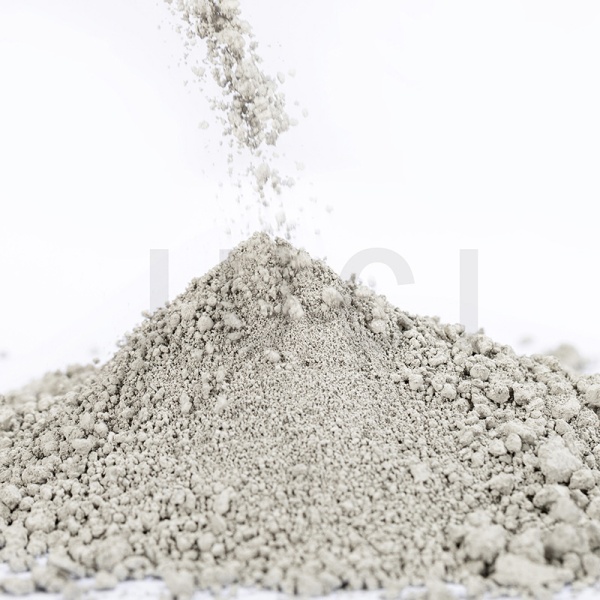
Polyvinyl Alcohol is widely used as a binder in adhesive formulations due to its excellent adhesion properties. Its application in industries such as woodworking, packaging, and labels presents significant growth opportunities. The more commonly used grades are 2488, 0588, 2688, and etc.PVA powder


When it comes to the textile industry for various purposes, including sizing agents, warp yarn lubricants, and fiber modification. The increasing demand for eco-friendly textile materials and the growing emphasis on sustainable production methods provide ample opportunities for PVA in this sector. Especially in some developing countries where the textile industry is prevalent. The annual demand for PVA 1788 is extremely huge.


With its strong binding capabilities, PVA is extensively used in the paper industry. It enhances the strength and quality of paper products, leading to improved printability and durability. The rising demand for high-performance paper products and the emphasis on recyclability drive the market for PVA in this sector.


The development of flexible packaging materials has gained traction in recent years. PVA-based films and coatings offer excellent barrier properties, making them suitable for food packaging and other sensitive products. The growing demand for sustainable and recyclable packaging solutions presents opportunities for PVA-based materials. PVA water-soluble film is also widely used in demoulding and construction industries.


The future of Polyvinyl Alcohol looks promising. As industries continue to prioritize sustainability and environmental concerns, PVA's biodegradability and non-toxic nature make it an attractive choice. Additionally, ongoing research and development efforts aim to enhance the properties and expand the application scope of PVA, opening doors for novel uses in areas such as biomedicine, food, cosmetics, and 3D printing.


Website: www.elephchem.com

Whatsapp: (+)86 13851435272

E-mail: admin@elephchem.com

ElephChem Holding Limited, professional market expert in Polyvinyl Alcohol(PVA) and Vinyl Acetate–ethylene Copolymer Emulsion(VAE) with strong recognition and excellent plant facilities of international standards.

PVB Resin Market Status and Development Prospects

Polyvinyl butyral (PVB) is a highly versatile and widely used polymer in various industries. It finds extensive application in the automotive, architecture, and photovoltaic industries, among others.


In the automotive sector, PVB is used as an interlayer PVB films in laminated glass, providing enhanced safety and sound insulation. In the architectural field, PVB is utilized in safety glass, offering protection against impact, UV radiation, and break-ins. Additionally, the photovoltaic industry employs PVB as a critical component in solar cell encapsulation, ensuring durability and efficient energy conversion.


The PVB market has witnessed substantial growth in recent years, driven by increasing demand for safety and energy-efficient solutions across industries. In the automotive sector, stringent safety regulations and rising consumer awareness have boosted the adoption of laminated glass, thereby driving the demand for PVB. Similarly, the growing emphasis on sustainable construction practices has fueled the demand for PVB in the architectural industry, where energy-efficient glazing solutions are sought after.


Moreover, the expanding solar energy sector has presented opportunities for PVB in photovoltaic applications. The advancements in solar cell technology and the shift towards renewable energy sources have increased the demand for PVB as a reliable encapsulation material.


The future of the PVB market looks promising, with several factors contributing to its growth. The increasing focus on safety and environmental sustainability will continue to drive demand for PVB in automotive and architectural applications. The growing urbanization and infrastructure development across regions also present significant opportunities for the PVB market.


Furthermore, advancements in PVB technology, such as the development of new formulations and improved performance characteristics, are expected to expand the scope of PVB applications. Manufacturers are investing in research and development to enhance the properties of PVB, including its optical clarity, adhesion, and resistance to yellowing over time.


Website: www.elephchem.com

Whatsapp: (+)86 13851435272

E-mail: admin@elephchem.com


Domestic VS. Imported Carbon Fiber What's the Real Difference in Performance?


In the ever-evolving field of materials science, carbon fiber has become a cornerstone in many high-end sectors due to its exceptional performance. From high-precision aerospace equipment to lightweight innovations in automotive manufacturing, and even performance enhancements in sports equipment, carbon fiber is everywhere. In recent years, the domestic carbon fiber industry has made remarkable strides and achieved significant accomplishments. However, compared to imported carbon fiber, there are still some performance gaps that cannot be ignored. Today, let’s delve into the differences between the two.


1. Carbon Fiber Performance Indicators

The performance of carbon fiber is mainly measured by several key indicators, which act like its “ID card” and determine its suitability for various applications.

- Tensile Strength: This refers to the maximum load capacity of the material when subjected to tension, much like the heaviest weight a strongman can lift. For example, in the aerospace field, aircraft wings need to withstand tremendous aerodynamic forces during flight. High tensile strength carbon fiber ensures that the wings don’t break under complex stress, ensuring flight safety. For instance, in the manufacture of high-performance fighter jets, there are stringent requirements for the tensile strength of carbon fiber in the wings.

- Tensile Modulus: This reflects the rigidity of the material, similar to how one would measure the stiffness of a spring. In automotive manufacturing, a higher tensile modulus makes the car’s structure more stable, improving vehicle handling and crash safety. When a car takes a sharp turn at high speeds, carbon fiber body components with high tensile modulus can minimize deformation and maintain stability.

- Density: This directly affects the lightweight nature of the product, which is crucial in fields focused on energy efficiency and speed. In the electric vehicle industry, reducing the body weight can significantly improve the range. Using low-density carbon fiber materials for the car body can reduce weight without compromising performance, thereby reducing energy consumption.

- Elongation at Break: This indicates how much the material can deform before breaking, much like how far an elastic band can stretch. In sports equipment such as tennis rackets, an appropriate elongation at break allows the racket to flex slightly upon impact, enhancing hitting power and feel.

These indicators are interrelated but each plays a unique role, contributing to the overall performance of carbon fiber in real-world applications. Together, they determine how carbon fiber performs in different scenarios.


2. Comparison of Performance Parameters: Domestic vs. Imported Carbon Fiber

According to publicly available data, in the high-end carbon fiber sector, imported carbon fibers still maintain a leading edge in tensile strength and tensile modulus due to the long-standing technological advantages they have accumulated. Toray, a global leader in the carbon fiber industry, produces some models of carbon fiber with outstanding performance. The tensile strength of these fibers can exceed 7000 MPa, and the tensile modulus is over 300 GPa. This data indicates that these carbon fiber materials can withstand enormous tension without breaking and possess extremely high rigidity.

Domestic high-end carbon fiber products have made significant breakthroughs in recent years, achieving remarkable progress. However, on average, their tensile strength ranges between 6000 and 6500 MPa, and the tensile modulus falls between 280 and 300 GPa. While there is still a certain gap compared to imported products, domestic carbon fibers continue to make strides, with ongoing increases in R&D investment and gradual improvements in technology.

In the mid-to-low-end sectors, domestic carbon fiber has shown strong competitiveness. Its performance is sufficient to meet most conventional application needs, such as in general industrial products and sports equipment. Furthermore, domestic carbon fiber is more cost-effective, which allows many small and medium-sized enterprises to adopt carbon fiber materials at a lower cost, thus promoting the wider application of carbon fiber across various industries.


3. Performance Differences in Practical Applications

In the aerospace industry, where material performance requirements are almost rigorous, imported carbon fiber has long held a dominant position due to its stable and exceptional performance. Critical structural components like airplane wings and fuselages benefit from using imported carbon fiber to ensure both the safety and fuel efficiency of the aircraft. Taking renowned international aircraft manufacturers such as Boeing and Airbus as examples, they extensively use high-end imported carbon fiber materials in their aircraft production. These airplanes must operate in various complex meteorological conditions and flight states, which demands extremely high reliability and stability from the materials. Imported carbon fiber is able to meet these stringent requirements.

However, in the sports equipment sector, domestic carbon fiber has already found widespread application. In bicycle manufacturing, domestic carbon fiber bicycles have gained popularity among cycling enthusiasts due to their higher cost-effectiveness. While they may slightly lag behind imported products in terms of performance, domestic carbon fiber bicycles have achieved a good balance in terms of lightweight, rigidity, and comfort through optimized design and manufacturing processes.

In the manufacture of fishing rods, domestic carbon fiber rods also perform excellently. Their excellent toughness and strength allow them to meet the needs of fishing enthusiasts across various water environments and fishing scenarios.


Xiamen LFT-G offers both imported and domestically produced carbon fiber specifications for our carbon fiber composite materials. We provide you with a range of options to best suit your project needs. For your convenience, we are happy to provide laboratory testing data to assist you in making an informed decision. Please contact us for more detailed information and to receive the test datas.


Production Process of Polyvinyl Butyral Resin

The full name of PVB is polyvinyl butyral, or PVB resin for short. It contains a lot of hydroxyl (OH) groups, which can produce bridging reactions with some thermosetting resins to improve chemical resistance and coating film hardness. PVB molecules contain long branched chains and have good flexibility, excellent transparency, strong adhesion, good light resistance, heat resistance, cold resistance, water resistance, film-forming properties, solubility, miscibility, high tensile strength and impact resistance, etc. It is widely used in the fields of manufacturing laminated safety glass, coatings, adhesives, ceramic film decals, vacuum aluminum foil paper, electrical materials, fiberglass products, fabric treatment agents and engineering plastics. It is a synthetic resin material with broad development and utilization prospects.


There are three main synthesis methods for producing PVB in the industry: one-step method, dissolution method and precipitation method. The following will introduce these three process methods and their advantages and disadvantages in the production process one by one.


The one-step method refers to a generation process in which the hydrolysis of polyvinyl acetate (PVAC) and the acetal reaction of the generated PVB are carried out simultaneously. It is represented by the production process of Solutia Company (the chemical division of Monsanto Company was split to form Solutia Company, which has now been acquired by Eastman Company). Vinyl acetate is bulk polymerized to form a methanol solution of polyvinyl acetate, and HCI is added for alcoholysis. The PVA generated by alcoholysis is suspended in a mixed solvent of ethanol and ethyl acetate, and butyraldehyde and HCI are added for acetal reaction. At the reflux temperature, react for 8 to 10 hours. As the reaction proceeds, PVA is completely dissolved and a uniform PVB solution is finally formed. Then add alkali to adjust the pH to 6. After reaching the specified acetal rate, it precipitates in water. After washing, neutralizing and drying, the finished PVB product can be obtained.


The dissolution method is to make PVA into a methanol suspension, add HCI and butyraldehyde to perform a condensation reaction. As the reaction proceeds, PVA gradually dissolves to form a uniform solution. After reaching the specified acetal ratio, it precipitates in water. After washing, neutralizing and drying, the finished PVB product can be obtained. The acetal rate of the PVB resin produced by this method can reach more than 86%, and the condensation distribution is uniform.


The precipitation method requires first dissolving PVA in water (85-90°C), then filtering the solution, pressing it into an acetal kettle, adding hydrochloric acid and butyraldehyde, and adding butyraldehyde in two batches to start homogeneous condensation. When the reaction reaches a certain level, PVB particles are precipitated from the solution and suspended in the mother liquor, which is a heterogeneous condensation reaction. When the condensation is completed, the material is put into a water washing kettle, washed with water, and alkali is added for stabilization, then filtered and dried to obtain powdered PVB.


Website: www.elephchem.com

Whatsapp: (+)86 13851435272

E-mail: admin@elephchem.com