Unlocking the Potential of Didodecyl Dimethyl Ammonium Bromide Tips and Tricks for High Assay Quaternary Ammonium Compounds Enthusiasts

If you’re a High Assay Quaternary Ammonium Compounds enthusiast, you’re probably no stranger to the powerful properties of Didodecyl Dimethyl Ammonium Bromide (CAS No. 3282-73-3). This compound, commonly known as DDDAB, has gained recognition for its versatile applications in various industries, including pharmaceuticals, cosmetics, and agriculture.

In this blog post, we will explore some tips and tricks to help you maximize the potential of Didodecyl Dimethyl Ammonium Bromide in your experiments and applications. So let’s dive in!

1. Safety First

Before working with Didodecyl Dimethyl Ammonium Bromide, it’s crucial to prioritize safety. Always wear appropriate personal protective equipment (PPE), including gloves, safety glasses, and a lab coat. Ensure you have a well-ventilated workspace to minimize exposure and follow proper disposal protocols.

2. Solubility Matters

Understanding the solubility of DDDAB is essential for effective utilization. This compound is soluble in polar solvents such as water, alcohols, and acetone. Use gentle agitation techniques, like stirring or sonication, to aid in the dissolution process.

3. Concentration Control

Accurate measurement of DDDAB concentration is crucial for obtaining consistent results. Utilize analytical techniques such as spectrophotometry or titration to determine the concentration accurately. Maintaining consistent concentrations ensures the desired outcomes in your experiments.

4. Synergistic Combinations

Didodecyl Dimethyl Ammonium Bromide can exhibit enhanced performance when used in combination with other compounds. Explore synergistic combinations that can broaden the applications and efficiency of DDDAB. The compatibility of DDDAB with various additives or co-surfactants can enhance its properties, making it suitable for a wider range of uses.

5. Storage and Shelf Life

Proper storage of Didodecyl Dimethyl Ammonium Bromide extends its shelf life and maintains its effectiveness. Store DDDAB in a cool, dry place away from direct sunlight, extreme temperatures, and incompatible substances. Follow the manufacturer’s guidelines for storage and shelf life to ensure its longevity and optimal performance.

6. Regulatory Compliance

When working with Didodecyl Dimethyl Ammonium Bromide, it is essential to adhere to regulatory guidelines and comply with local regulations. Being aware of any relevant permits or restrictions will help ensure ethical and legal use of this compound.

7. Documentation and Record Keeping

Maintaining thorough documentation of your experiments and applications involving DDDAB is crucial for future reference and troubleshooting. Record experimental conditions, concentrations used, outcomes observed, and any unexpected results.

By implementing these tips and tricks, you can unleash the potential of Didodecyl Dimethyl Ammonium Bromide (CAS No. 3282-73-3) and make the most of its versatile properties. Remember to always prioritize safety and adhere to regulatory guidelines while experimenting with this compound.

Stay curious and explore the endless possibilities that DDDAB offers in the world of High Assay Quaternary Ammonium Compounds!

Note: Always consult the Safety Data Sheet (SDS) and product specifications provided by the manufacturer for specific instructions and recommendations when working with Didodecyl Dimethyl Ammonium Bromide.
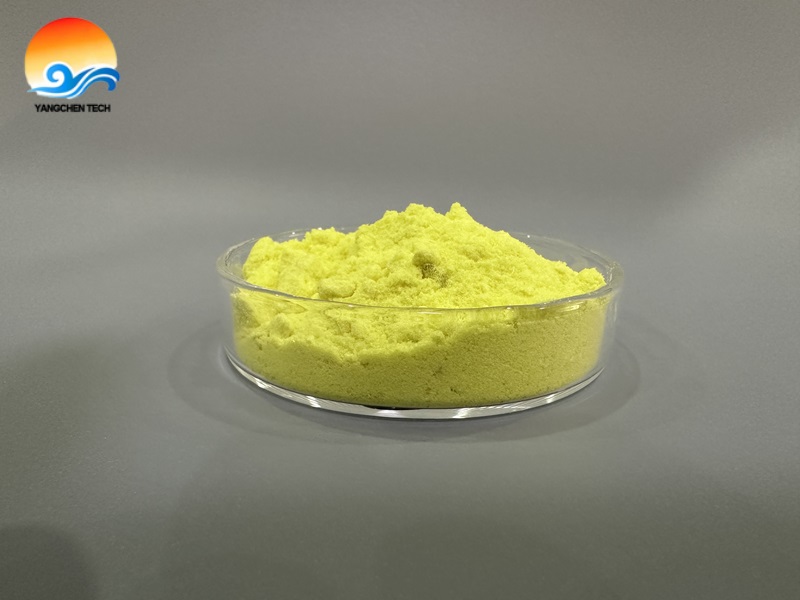
N-phenylmaleimide:A Game Changer for Industrial Applications

In the world of advanced materials, precision, reliability, and performance are essential. For industries that rely on high-quality polymer formulations, N-phenylmaleimide (N-PMI) manufactured by Yangchen Tech is a product that meets and exceeds these expectations. With a purity of up to 99.7%, this compound is more than just a raw material—it’s a key enabler for achieving superior results in manufacturing processes. Whether you’re working with high-performance resins, polymers, or adhesives, N-PMI offers unparalleled benefits.


N-phenylmaleimide (N-PMI) manufactured by Yangchen Tech


Why Purity Matters: 99.7% N-PMI for Uncompromised Performance


One of the standout features of N-phenylmaleimide manufactured by Yangchen Tech is its extraordinary purity, which reaches up to 99.7%. This level of purity ensures that the compound delivers consistent performance in critical applications. When impurities are minimized, the final product achieves higher efficiency and effectiveness, reducing the likelihood of failures and ensuring long-term stability. For industries like electronics, automotive, and construction—where precision is non-negotiable—high-purity materials like N-PMI are vital.


N-phenylmaleimide (N-PMI) manufactured by Yangchen Tech


Basic Infomation


Chemical Structure Structure formula of N-Phenylmaleimide
Chemical Formula C10H7NO2
Molecular Weight 173.16
CAS No. 941-69-5
Packing Type Paper bag (20 kg)


Specification


Property Limits Results
Appearance Yellow crystalline powder Yellow crystalline powder
Purity % >98 99.7
Melting Range ℃ >85 88~90


Good Solubility: Easy Processing for Complex Formulations


A crucial aspect of N-PMI is its good solubility, a feature that makes it highly adaptable for various chemical processes. The exceptional solubility ensures that N-PMI blends smoothly with other components, reducing processing time and enhancing workflow efficiency. Whether you’re developing specialized polymers, high-performance resins, or heat-resistant adhesives, the ease with which N-PMI dissolves adds tremendous value. This quality ensures a smooth production process, minimizing downtime and optimizing material integration.


Heat-Resistant Modifier for Durable Polymers


In applications where thermal stability is essential, N-phenylmaleimide shines as a heat-resistant modifier. Its ability to enhance the heat resistance of polymers makes it ideal for products that must withstand extreme conditions. From automotive parts that endure high engine temperatures to industrial components exposed to harsh environments, N-PMI helps polymers maintain their integrity and durability over time. With N-PMI in your formulation, you can create polymers that meet the demands of today’s challenging environments.


Versatility Across Industries


The applications of N-phenylmaleimide are vast, spanning various industries that require robust, reliable materials. In the automotive sector, N-PMI-modified polymers contribute to lighter, more durable parts that improve fuel efficiency and vehicle longevity. In electronics, where heat resistance and precision are critical, N-PMI ensures components remain stable under high-temperature conditions. Construction materials, adhesives, and coatings also benefit from N-PMI’s ability to enhance heat resistance and processability.


Why Choose N-PMI manufactured by Yangchen Tech?


When you choose N-phenylmaleimide with 99.7% purity and good solubility, you’re investing in a material that offers:


- Consistency: With a high purity level, you can expect stable, reliable performance in every batch.

- Efficiency: The good solubility of N-PMI means quicker integration into your formulations, saving you time and effort.

- Durability: As a heat-resistant modifier, N-PMI enhances the longevity and stability of your products, making them suitable for demanding environments.


For manufacturers seeking to improve their polymer formulations, N-phenylmaleimide (N-PMI) manufactured by Yangchen Tech is the solution that combines high purity, good solubility, and exceptional heat resistance. Whether you are producing advanced adhesives, specialized coatings, or high-performance plastics, N-PMI can help you achieve superior results, increase efficiency, and meet the growing demands of your industry.


Explore the possibilities with N-phenylmaleimide and experience the difference it makes in your products today! Welcome Inquiry!

Blending Modified VAE Emulsion

Vinyl acetate-ethylene copolymer emulsion is a polymer emulsion made of vinyl acetate and ethylene as basic raw materials, referred to as VAE emulsion or EVA emulsion in English. Since its introduction in 1965, it has been widely used in adhesives, building materials, coatings, papermaking, fabric processing, tobacco, packaging and other fields due to its excellent adhesion, permanent flexibility, good acid and alkali resistance and other properties.


In order to improve the performance of VAE emulsion and expand its application range, a lot of fruitful modification research has been done to improve the water resistance, mechanical strength, heat resistance, adhesion, curing speed and other aspects of VAE emulsion. These modification studies are mainly focused on the following directions: additive method, copolymerization method, composite modification method and blending method. Among them, the blending method is a method of physically blending VAE emulsion with one or more polymer solutions or emulsions to form a multi-component system. The properties of the various components of the blending method can complement each other, thereby obtaining new materials with better performance or new properties, reducing costs while potentially expanding the application field of VAE emulsion, allowing VAE emulsion to play a greater application value.


Polymer solutions or polymer emulsions that are often blended with VAE emulsions include: rosin resin, phenolic resin, urea-formaldehyde resin, terpene resin, polyurethane emulsion, acrylic emulsion, styrene-acrylic emulsion, vinyl acetate emulsion, styrene-butadiene emulsion, etc. Since VAE emulsion has good miscibility with a variety of emulsions, blending is the simplest and most direct way to achieve complementary properties of the blended components and obtain new properties.


PVAc emulsion was used to modify VAE emulsion, and at the same time, thickening resin and additives were used to synthesize an adhesive suitable for bonding non-polar plastic materials. The addition of thickening resin significantly improved the bonding strength of the emulsion; the addition of acidic metal salt crosslinking agent improved the water resistance of the system without affecting the stability of the emulsion.


VAE emulsion was modified by blending pure acrylic emulsion, acetic acid acrylic emulsion, silicone acrylic emulsion, styrene acrylic emulsion and VAE emulsion to prepare adhesive. The results show that the VAE emulsion modified by acrylate emulsion has been greatly improved in bonding performance and peel strength. Among them, the adhesive obtained by using acetic acid acrylic emulsion to modify VAE emulsion has the best comprehensive performance, especially the most obvious improvement in high temperature adhesion.


Website: www.elephchem.com

Whatsapp: (+)86 13851435272

E-mail: admin@elephchem.com

ElephChem Holding Limited, professional market expert in Polyvinyl Alcohol(PVA) and Vinyl Acetate–ethylene Copolymer Emulsion(VAE) with strong recognition and excellent plant facilities of international standards.


Introduction to Ethylene Vinyl Alcohol Copolymer

EVOH (ethylene-vinyl alcohol copolymer) is a polymer material produced by copolymerization of ethylene and vinyl alcohol. Since the polar hydroxyl groups on the EVOH molecular chain can form hydrogen bonds with water molecules, it can block moisture, while its non-polar vinyl groups can effectively block gases.


EVOH has good processing properties and can be blended or compounded with various plastics such as PE, PP, PET, etc. to produce blended or composite materials with excellent performance. It also has good thermal stability and can be processed at high temperatures. It has excellent transparency, which makes the contents of the package clearly visible and easy for consumers to check. It can be completely recycled and reused, and can also be biodegraded to reduce pollution to the environment. Due to its excellent barrier properties and environmental protection, EVOH is widely used in the field of food packaging. For example, it is widely used in vacuum packaging, food cans, beverage bottles and other fields.


EVOH is also widely used in the field of medical packaging, such as pharmaceutical packaging, medical dressing packaging, etc. Its excellent barrier properties can effectively extend the shelf life of drugs and medical dressings. In addition, EV0H is also widely used in the fields of cosmetic packaging, pesticide packaging, etc.


Website: www.elephchem.com

Whatsapp: (+)86 13851435272

E-mail: admin@elephchem.com

ElephChem Holding Limited, professional market expert in Polyvinyl Alcohol(PVA) and Vinyl Acetate–ethylene Copolymer Emulsion(VAE) with strong recognition and excellent plant facilities of international standards.

Tips and Tricks for VAE Emulsion CW40-707A Enthusiasts

If you’re passionate about VAE Emulsion (Vinyl Acetate–ethylene Copolymer Emulsion) and specifically the CW40-707A variant, you’ve come to the right place! In this blog post, we’ll explore some valuable tips and tricks to help you get the most out of your VAE Emulsion CW40-707A projects. So, let’s dive in and discover how to enhance your emulsion experience!

1. Proper Storage

Storing your VAE Emulsion CW40-707A correctly is crucial for maintaining its quality and usability. Make sure to store it in a cool, dry place away from direct sunlight. Avoid exposing it to extreme temperatures that could negatively impact the emulsion’s stability.

2. Mixing Ratio

It’s important to achieve the right consistency when using VAE Emulsion CW40-707A in your projects. Follow the guidelines provided by the manufacturer regarding the recommended mixing ratio with water or other additives. This ensures optimal performance and desired results.

3. Application Techniques

When applying VAE Emulsion CW40-707A, consider using a high-quality brush or a roller. Ensure that the surface you’re working on is clean and properly prepared, as this can greatly affect the adhesion and durability of the emulsion. Take your time and apply the emulsion evenly for a smooth finish.

4. Experimentation

Don’t be afraid to experiment with VAE Emulsion CW40-707A to explore its versatility. Test it on different surfaces, such as wood, concrete, or even fabric, to discover new creative possibilities. Remember to document your experiments and techniques for future reference.

5. Troubleshooting Tips

If you encounter any issues with your VAE Emulsion CW40-707A, don’t panic! Here are a few common problems and their solutions:

  • Uneven application: Ensure that you mix the emulsion thoroughly and apply it evenly.

  • Poor adhesion: Check if the surface is clean and properly prepared before application.

  • Cracking or peeling: Examine the flexibility and moisture content of the substrate, as this might be the cause.

6. Safety Precautions

While working with VAE Emulsion CW40-707A, always prioritize your safety. Wear suitable protective clothing, including gloves and goggles, to avoid skin or eye irritation. If any contact occurs, rinse immediately with water and seek medical attention if necessary.

7. Follow Manufacturer’s Recommendations

Lastly, always refer to the manufacturer’s guidelines and recommendations when using VAE Emulsion CW40-707A. They provide valuable insights into the emulsion’s specific properties, applications, and any precautions you need to be aware of.

By following these tips and tricks, you’ll be well-equipped to make the most of your VAE Emulsion CW40-707A. Happy experimenting and creating remarkable projects with this fantastic emulsion!

A Beginner's Guide to Using Macromolecular Epoxy Resin

Macromolecular epoxy resin is a versatile and durable material that can be used for a wide range of applications, including crafts, DIY projects, and industrial applications. Whether you are a beginner or have some experience with epoxy resin, this step-by-step guide will help you understand the basics and get started with using macromolecular epoxy resin effectively.

Step 1: Gather Your Supplies

Before you begin working with macromolecular epoxy resin, it’s important to gather all the necessary supplies. Here’s what you’ll need:

  • Macromolecular epoxy resin

  • Hardener (check the manufacturer’s instructions for the recommended ratio)

  • Mixing container and stirring sticks

  • Protective gloves

  • Protective eyewear

  • Heat resistant surface or molds

  • Optional: Pigments, glitter, or other additives

Step 2: Prepare the Workspace

Ensure that you have a well-ventilated workspace. Epoxy resin can emit fumes, so it’s important to work in a properly ventilated area. Cover your workspace with a heat-resistant surface, such as a silicone mat or plastic sheet, to protect it from spills or drips.

Step 3: Measure and Mix

Most macromolecular epoxy resins require a specific ratio of resin to hardener. Read the manufacturer’s instructions carefully and measure the resin and hardener accordingly. Pour the resin into a clean mixing container, followed by the hardener. Stir the mixture thoroughly, ensuring that both components are completely blended.

Step 4: Add Color or Additives (Optional)

If you want to add color or other additives to your epoxy resin, now is the time to do so. You can use pigments, glitter, or other specialized additives to customize your project. Be sure to follow the manufacturer’s instructions for the recommended amount of additives and thoroughly mix them into the resin.

Step 5: Let the Bubbles Escape

After mixing the resin and additives, you may notice bubbles in the mixture. To remove them, gently blow on the surface using a straw or use a heat gun or torch on low heat to release the trapped air. Be careful not to overheat the surface as it may cause the resin to deform or yellow.

Step 6: Pour and Cure

Now that your resin mixture is ready, carefully pour it into your desired molds or onto your prepared surface. If using molds, ensure they are clean and free of any dust or debris. Smooth the surface using a stirring stick or a toothpick if necessary.

Allow the epoxy resin to cure according to the manufacturer’s instructions. This may take several hours to several days, depending on the type of resin you are using. Avoid disturbing the resin during the curing process to achieve the best results.

Step 7: Finishing Touches

Once your epoxy resin has fully cured, you can remove it from the molds or admire it on the surface. Sand any rough edges or imperfections if desired, and apply a clear coat of resin to enhance the shine and protect the surface.

Conclusion

Working with macromolecular epoxy resin can be a rewarding and creative experience. By following these step-by-step instructions, even beginners can achieve impressive results. Remember to read and follow the manufacturer’s instructions for the specific epoxy resin you are using, and always prioritize safety by wearing protective gear and working in a well-ventilated area. Now, it’s time to unleash your creativity and start crafting with macromolecular epoxy resin!

Can Plastic Conjugated Rings Revolutionize Tower Packing in the Chemical Industry?

Plastic conjugated rings have emerged as a game-changer in tower packing technology, revolutionizing the chemical industry. Their unique design and properties make them an ideal choice for enhancing process efficiency and reducing environmental impact. China has become a major player in manufacturing plastic conjugated ring tower packing, with numerous factories supplying these advanced solutions worldwide.

Tower packing refers to the materials used to fill towers or columns in chemical processes. They provide a large surface area for mass transfer and allow efficient separation or absorption of different components. Traditional tower packing materials have limitations in terms of efficiency, pressure drop, and resistance to harsh chemical environments. This is where plastic conjugated rings step in and offer a superior alternative.

Plastic conjugated rings are specially designed with a unique shape and internal ridges that increase their surface area, promoting better contact between the gas and liquid phases involved in chemical processes. This enhanced surface area allows for improved mass transfer efficiency and consequently better separation performance. Moreover, the conjugated structure offers increased stability and resistance to deformation, ensuring longer service life and consistent performance.

In random packing configurations, plastic conjugated rings are placed loosely in the tower or column, forming a bed. The random arrangement provides a highly effective solution for mass transfer operations. The irregular positioning of the rings creates void spaces, which facilitate efficient vapor and liquid distribution. This promotes optimal contact between different phases, leading to improved separation efficiency and reduced pressure drop.

China has emerged as a global leader in plastic conjugated ring random packing manufacturing. With numerous manufacturers and factories across the country, they have built a reputation for delivering high-quality products. These manufacturers not only prioritize product excellence but also adhere to strict environmental standards. By investing in cutting-edge technology and continuous research, Chinese manufacturers have successfully met the industry’s demands for efficient and sustainable tower packing solutions.

In addition to their excellent product quality, Chinese plastic conjugated ring tower packing manufacturers also offer competitive pricing and on-time delivery. Their strong production capacity and efficient supply chain ensure that clients worldwide can access these groundbreaking products without any hassle.

In conclusion, plastic conjugated rings have emerged as a revolutionary tower packing solution in the chemical industry. Their unique design and enhanced properties offer improved mass transfer efficiency and separation performance. China, with its advanced manufacturing capabilities and commitment to quality, has become a prominent player in supplying plastic conjugated ring random packing to industries worldwide. Embracing these innovative solutions is not only beneficial for process efficiency but also for environmental sustainability in the chemical sector.

ABS Heat Resistant Modifier Agent Producer Revolutionizing Heat-resistant Modifiers

Are you an enthusiast of heat-resistant modifier series? Do you value high-performance materials that can withstand extreme temperatures? Look no further than the ABS Heat Resistant Modifier Agent Producer. In this blog post, we will explore the unique features and benefits of this revolutionary product.

Unparalleled Heat Resistance

The ABS Heat Resistant Modifier Agent Producer is specifically designed to enhance the heat resistance of various materials. It acts as a catalyst, transforming ordinary materials into extraordinary ones that can withstand extreme temperatures. With this modifier agent, you can confidently use your materials in high-temperature environments without worrying about deformation or damage.

Enhanced Stability

One of the remarkable features of this modifier agent is its ability to provide exceptional stability. It functions as a protective shield, preserving the integrity of the materials it is applied to. Whether you’re working with plastics, coatings, or composite materials, the ABS Heat Resistant Modifier Agent Producer ensures that the structure remains intact, even under the harshest conditions.

Versatility at Its Finest

The ABS Heat Resistant Modifier Agent Producer is a versatile product that caters to various industries. From automotive to aerospace, electronics to construction, this heat-resistant modifier agent has proven its effectiveness across a wide range of applications. Its adaptability and compatibility with different materials make it a valuable asset for both manufacturers and engineers.

Improved Performance

By incorporating the ABS Heat Resistant Modifier Agent Producer into your materials, you can significantly enhance their overall performance. Not only does it improve heat resistance, but it also boosts mechanical strength and durability. This means that your materials can withstand not only high temperatures but also the rigors of daily use, ensuring longevity and reliability.

Cost-effective Solution

Investing in the ABS Heat Resistant Modifier Agent Producer is a wise decision for both small-scale projects and large-scale production. Its cost-effectiveness is evident in the long-term benefits it provides. By increasing the lifespan of your materials and reducing the need for frequent replacements, this modifier agent ultimately saves you money and resources.

Environmental Responsibility

In addition to its exceptional performance, the ABS Heat Resistant Modifier Agent Producer is also environmentally friendly. It is engineered to minimize the release of harmful emissions, making it a sustainable choice for conscious businesses and individuals. By choosing this product, you not only ensure the longevity of your materials but also contribute to a greener future.

Embrace the Future of Heat-resistant Modifiers

In conclusion, the ABS Heat Resistant Modifier Agent Producer sets new standards in heat-resistant modifiers. With its unparalleled heat resistance, enhanced stability, versatility, improved performance, and cost-effectiveness, it is truly a game-changer. Embrace the future of materials technology and unlock the potential of heat-resistant modifier series with this revolutionary product. Choose the ABS Heat Resistant Modifier Agent Producer and experience a new level of durability and reliability in your materials.

New high barrier material, Modified PVA Coated Film

The modified polyvinyl alcohol coated composite film is colorless and has good transparency. It has excellent oil resistance and organic solvent resistance. It has good antistatic properties. It can be used for microwave heating and metal detection of packaged food. It has excellent aroma preservation performance, which can maintain the original flavor of the food in the bag for a long time, and at the same time effectively prevent the odor outside the packaging material from entering the packaging bag.


It has excellent barrier properties for oxygen, nitrogen, hydrogen and carbon dioxide. Its oxygen barrier performance is better than that of PVDC coated film and EVOH five-layer co-extruded film. Its oxygen barrier performance is the best among various resin films, comparable to aluminum foil, glass, aluminum oxide-plated film and silicon oxide-plated film.


The production cost of PVA coated composite film is much lower than that of paper-aluminum-plastic composite and aluminum-plastic composite packaging materials, much lower than that of EVOH five-layer co-extruded film, and lower than that of composite film with PVDC coating.


Satisfactory results can be achieved by using the existing dry laminating machines, coating machines, wet laminating machines, extrusion laminating machines and other equipment of various flexible packaging manufacturers. The modified PVA glue does not form a skin, and the viscosity does not increase significantly during normal use. The coating layer is very thin, but the thickness uniformity of the coating remains excellent.


The structural components of polyvinyl alcohol (PVA) high barrier water-based coating liquid are carbon, oxygen, hydrogen and silicon. It is degradable and recyclable. When burned, it only produces carbon dioxide and water without producing other substances harmful to the environment and human health. It is pollution-free and is an ideal environmentally friendly high barrier packaging material.


Website: www.elephchem.com

Whatsapp: (+)86 13851435272

E-mail: admin@elephchem.com

ElephChem Holding Limited, professional market expert in Polyvinyl Alcohol(PVA) and Vinyl Acetate–ethylene Copolymer Emulsion(VAE) with strong recognition and excellent plant facilities of international standards.


Polyvinyl Alcohol (PVA) block copolymer

PVA block copolymer is a polymer with high application value. It is composed of polyvinyl alcohol (PVA) and another organic polymer block. PVA is a colorless, odorless, non-toxic synthetic polymer with good solubility and plasticity. It has good solubility and gelling ability in water and can form strong hydrogels. Therefore, PVA is widely used in fields such as textiles, paper, adhesives, medical supplies, etc.


The choice of another organic polymer block can be determined according to needs. For example, organic polymers with specific functions such as polyacrylate (PAA), polyacrylamide (PAM), etc. can be selected. These organic polymers have different chemical properties and application characteristics, and can play different roles in block copolymers.


The preparation methods of PVA block copolymers include solution copolymerization, emulsion copolymerization, reaction impregnation, etc. Among them, solution copolymerization is one of the most commonly used methods. During the preparation process, PVA and other organic polymers are first added to the solvent in a certain proportion, and then the two polymers are copolymerized by controlling the temperature, reaction time, acid-base balance and other conditions. The final product is a block copolymer with good properties and application value.


The application of PVA block copolymer is very wide. For example, it can be used to prepare highly absorbent materials such as household paper, sanitary napkins, diapers, etc. In addition, it can also be used to prepare medical dressings, drug sustained-release systems, capsule materials, etc.


In general, PVA block copolymers have high research and application value. By rationally selecting blocks and regulating the preparation method, copolymers with specific functions and properties can be obtained to meet the needs of different fields.


Website: www.elephchem.com

Whatsapp: (+)86 13851435272

E-mail: admin@elephchem.com

ElephChem Holding Limited, professional market expert in Polyvinyl Alcohol(PVA) and Vinyl Acetate–ethylene Copolymer Emulsion(VAE) with strong recognition and excellent plant facilities of international standards.