Analyzing Carbon-Plated Running Shoes Material Applications in Marathon Performance


In recent years, carbon-plated running shoes have rapidly risen to prominence in the marathon community, becoming a favorite among many runners. The widespread appeal of these shoes lies in their use of supercritical foam materials for the midsole, which offer exceptional lightweight properties and superior cushioning with rebound performance. Additionally, the carbon plate reinforces the midsole structure, providing arch support and stability, enhancing energy return, and delivering powerful propulsion.


The Importance of Running Shoes in Marathon Sports

In the footwear industry, marathon running has become one of the most popular activities. As a high-intensity sport, marathon running places extremely high demands on the performance of running shoes. Research shows that under specific running conditions, every additional 100g in shoe weight increases the running time for a 3000m distance by 0.78%. Therefore, a lightweight and comfortable running shoe is crucial for enhancing running efficiency.

During a marathon, prolonged running often leads to a decline in energy and reduced muscle control, resulting in decreased joint and muscle stability. This can cause energy transfer inefficiencies during running, leading to energy loss. After long-distance running, significant changes in foot morphology are observed, such as excessive inward rotation of the ankle and a tendency for the arch to lower. If running shoes fail to provide adequate support and timely cushioning, these changes may trigger various sports injuries.

For instance, functional or non-functional overtraining can result in a series of syndromes. When external loads exceed the tissue's recovery capacity and rapid recovery is not achieved, it may lead to tissue overload injuries. To mitigate energy loss caused by inefficient energy transfer and alleviate fatigue from marathon running, it is essential to incorporate sufficient support and cushioning mechanisms, particularly in the shoe sole, to promote foot function recovery throughout the shoe's design.


Two Core Factors of Carbon-Plated Running Shoes: Both Are Indispensable

1. Carbon Plate
The carbon plate is a high-strength, lightweight carbon fiber composite material, typically made by combining carbon fiber strands with epoxy resin. It is usually embedded in the midsole of running shoes. Its primary function is to utilize the lever principle, storing the impact force generated when a runner lands and releasing it during the push-off phase, thereby creating additional propulsion.


Carbon plate technology can reduce energy loss with each step for runners, helping maintain running efficiency, especially during long-duration exercise. Research shows that running shoes with embedded carbon fiber plates can reduce running energy consumption by about 4%, making them regarded as "cutting-edge technology" for improving performance. Carbon plate running shoes can be divided into three types: "support type," "stabilizing type," and "propulsion type."

Support Type: These shoes typically have a small carbon plate area, or the area of focus is around the arch. The carbon plate absorbs a significant amount of downward force on the arch, providing arch support and reducing pressure on it.

Stabilizing Type: These shoes are developed based on the "support type," with a larger carbon plate area. The carbon plate typically forms an "X" or "Y" shape in the center of the shoe, extending forward and backward. The primary function is to provide "support" and "stability."

Propulsion Type (Shovel Type): These shoes have a whole piece of carbon plate design, without perforation, offering the well-known benefit of "performance enhancement" associated with carbon plate shoes.

Despite the many advantages of carbon plate running shoes, they are not suitable for all runners. The rigidity and structural characteristics of the carbon plate make them more suitable for runners with strong running techniques and power. If a runner lacks sufficient strength and technique, they may feel discomfort or increase the risk of injury. Runners with different needs should choose the appropriate type of carbon plate:

- Support Type: Best for high-mileage training, providing additional arch support and stability.
- Stabilizing Type: Suitable for intermediate-level competitive runners, helping to better utilize the carbon plate's performance to improve running economy.
- Propulsion Type: Specifically designed for performance-focused runners, maximizing the propulsion effect to increase speed.


Of course, it is important to objectively recognize that while carbon plates are powerful, in running shoes, they need to be paired with high-performance foam midsoles to achieve their full potential. The two complement each other. The carbon plate is generally placed above, below, or embedded within the midsole.


2. Midsole Technology

2.1 PEBA
In recent years, PEBA (polyether block amide) elastomer has gradually become one of the most powerful materials for running shoe midsoles. It is a block copolymer made from rigid polyamide segments and soft polyether segments. The combination of the rigidity of polyamide and the elasticity of polyether allows the PEBA elastomer to achieve extremely high energy recovery during repeated bending, thus reducing energy loss to a very low level.

Nike's ZoomX midsole technology is made from PEBAX supercritical foam and boasts an energy return rate of up to 85%. This innovation has caused a huge sensation in the running shoe industry and is considered one of the top midsole materials. Running shoes equipped with ZoomX, such as the Alphafly and Vaporfly series, have become the go-to footwear for long-distance running legends like Eliud Kipchoge and Haile Gebrselassie.


2.2 EVA
EVA (Ethylene Vinyl Acetate) is one of the earliest foam materials used in shoe midsoles. It is lightweight, easy to process, and the rebound rate of pure EVA foam generally ranges from 40% to 45%. Due to its cost advantage, EVA foam material has been the primary material choice for mainstream sports shoes for a long time.


2.3 ETPU
ETPU (Expanded Thermoplastic Polyurethane) is a type of thermoplastic elastomer made from a block copolymer consisting of diisocyanates, chain extenders, and polyols. The soft segments made from polyols exhibit flexibility and toughness, while the diisocyanates act as hard segments, providing hardness and rigidity. After crystallizing, the hard segments form physical crosslinking points, which gives TPU its high elasticity. Therefore, TPU has notable advantages such as high tensile strength, large elongation, and low permanent deformation under long-term compression.

When TPU is foamed, it becomes ETPU, which has a popcorn-like texture and exhibits excellent rebound and deformation recovery abilities. The ball rebound value of its foam is typically as high as 60%. In 2013, Adidas introduced the Boost midsole technology, centered around "popcorn" (ETPU), and used it in the EnergyBOOST running shoe. In 2015, Adidas launched the UltraBoost midsole foam technology and the UltraBoost series running shoes, which created a huge sensation in the running shoe industry. In July of this year, Adidas launched the latest Ultraboost 5 and Ultraboost 5X, with the Ultraboost 5 midsole featuring Adidas' latest LIGHT BOOST technology, which reduces weight while providing all the advantages of standard BOOST foam.


2.4 TPEE
TPEE (Thermoplastic Polyester Elastomer) is essentially a block copolymer made from polyester as the hard segment and polyether/polyester as the soft segment. The most common type of TPEE is the polyether ester type, with PBT (Polybutylene Terephthalate) and PTMG (PolyTetraHydroFuran Glycol) as the main structural components.

The high rebound elasticity, fatigue resistance, and low-temperature flexibility of TPEE make it an ideal material for outdoor sports products. In early 2022, Adidas launched the Adizero ADIOS Pro 2, equipped with its Lightstrike Pro technology. This material is made from TPEE supercritical foam, offering a cushioning and rebound experience comparable to ZoomX, and it achieved excellent results in the ROAD TO RECORDS challenge.


Xiamen LFT offers a variety of carbon fiber composites for carbon plate production in shoe soles.

You can contact us to receive free technical support.


PVA Dustless Chalk Erasers for a Sustainable Classroom Environment

PVA dustless chalk erasers is a new type of product that first appeared in the 1990s. It is made of polyvinyl alcohol as raw material and produced through a special process. PVA, also known as Polyvinyl alcohol, is a synthetic polymer derived from renewable resources, making it an eco-friendly choice for various applications. With its excellent biodegradability and non-toxic nature, PVA is recognized as a sustainable alternative to traditional materials. Incorporating PVA into classroom equipment, such as dustless chalk erasers, presents numerous advantages to both teachers and students. 


In a direct comparison between PVA dustless chalk erasers and traditional chalk erasers, the advantages of PVA become evident. While traditional erasers generate significant dust, PVA erasers eliminate this concern, reducing the risk of chalk-related allergies and promoting cleaner air quality. Additionally, PVA erasers offer improved erasing efficiency and lifespan, requiring less frequent replacement and resulting in cost savings for educational institutions.


The key to achieving dust-free wiping lies in its unique internal structure and cleaning mechanism. Although its appearance is similar to a traditional blackboard eraser, its internal structure is quite different. The interior of the dust-free blackboard eraser uses an efficient adsorption material that combines ultrafine PVA fiber and high adsorbent. This material can quickly absorb dust into the interior when wiping to avoid dust. The fine structure of microfiber not only enhances the adsorption force, but also ensures a good cleaning effect.


PVA dust-free blackboard brings people a cleaner and healthier working and learning environment. It plays an important role in the field of education and other fields and has become an integral part of people's lives. The success of PVA dustless blackboard erasers also inspires us to pay more attention to environmental protection in social development, and pay more attention to people's health and quality of life in product design and use.


Website: www.elephchem.com

Whatsapp: (+)86 13851435272

E-mail: admin@elephchem.com

ElephChem Holding Limited, professional market expert in Polyvinyl Alcohol(PVA) and Vinyl Acetate–ethylene Copolymer Emulsion(VAE) with strong recognition and excellent plant facilities of international standards.

The Advantages of PVA High Strength Fiber in the Textile Industry

PVA High Strength Fiber is a type of synthetic fiber derived from Polyvinyl Alcohol. It exhibits remarkable strength, making it suitable for a wide range of textile applications. In the textile process, polyvinyl alcohol is used as a sizing agent, which can improve the strength and smoothness of yarn, reduce the breakage rate, and improve textile efficiency. PVA fiber, as a product of polyvinyl alcohol, also plays an important role in the textile industry. 


PVA High Strength Fiber stands out for its excellent tensile strength and durability. It retains its strength even when wet, making it ideal for applications that involve exposure to moisture or water. This strength is essential in various textile products that require superior performance and longevity.


One of the remarkable features of PVA High Strength Fiber is its water solubility. This property allows the fiber to dissolve completely when exposed to water or other aqueous solutions. As a result, fabrics or products made from PVA High Strength Fiber can be easily recycled or disposed of in an environmentally friendly manner, reducing waste and pollution.


PVA High Strength Fiber is considered an eco-friendly material due to its biodegradability and low environmental impact. Unlike synthetic fibers with non-biodegradable properties, PVA High Strength Fiber naturally decomposes over time, making it a sustainable choice for the textile industry. Additionally, its water solubility enables it to be easily washed away during processing, minimizing the release of harmful substances into waterways.


The outstanding properties of PVA High Strength Fiber make it suitable for various textile applications. It can be used in the production of lightweight and high-strength fabrics, such as sportswear, outdoor gears, and technical textiles. The water solubility of PVA High Strength Fiber also makes it ideal for temporary textiles, such as interlinings and embroidery backings, which can be dissolved after use.


When compared to other chemical fibers, such as polyester or nylon, PVA High Strength Fiber offers distinct advantages. It combines the strength and durability of synthetic fibers with the eco-friendly and water-soluble properties of PVA. Its biodegradability and reduced environmental impact make it an attractive option for manufacturers and consumers alike.


Website: www.elephchem.com

Whatsapp: (+)86 13851435272

E-mail: admin@elephchem.com

ElephChem Holding Limited, professional market expert in Polyvinyl Alcohol(PVA) and Vinyl Acetate–ethylene Copolymer Emulsion(VAE) with strong recognition and excellent plant facilities of international standards.

Carbon Fiber Composites The Game-Changing Material Powering the Low-Altitude Economy


The Low-Altitude Economy

Brings a New Growth Horizon for Carbon Fiber

(1) Carbon Fiber Composites: The Key Material for Achieving Lightweight Aerospace Vehicles
Carbon fiber is a fiber material with over 90% carbon content, featuring numerous properties such as low density, high specific strength, and high modulus. Its tensile strength can exceed steel, aluminum alloy, and titanium alloy by more than 9 times at the same weight, while its elastic modulus can be more than 4 times that of steel, aluminum alloy, and titanium alloy. These advantages make carbon fiber an ideal choice for achieving lightweight in aerospace vehicles. By applying carbon fiber composite materials to the construction of aircraft body structures and internal components, the aircraft’s weight can be significantly reduced, energy consumption minimized, and structural strength and safety enhanced. Using carbon fiber composites in the construction of eVTOLs can help reduce the overall weight of the aircraft by 30%-40%.


Carbon Fiber Composites


(2) The Low-Altitude Economy Brings New Driving Forces for Carbon Fiber Composites
Since eVTOLs, small drones, and some light aircraft are electrically powered, they have even higher requirements for lightweight materials. Carbon fiber composites play a much larger role in the structure and components of eVTOLs compared to traditional aircraft. In the commercial aviation sector, about 50% of the structure of the Boeing 787 is made from composite materials. According to Stratview Research, the proportion of composite materials used in the structure of eVTOLs is as high as 70%. More than 90% of these composites are carbon fiber reinforced, with around 10% being glass fiber reinforced. This implies that carbon fiber composites account for over 63% of the total material used in eVTOLs. In eVTOL composite materials, approximately 75%-80% will be used in structural parts and propulsion systems, 12%-14% in internal structures such as beams and seat structures, and the remaining 8%-12% in battery systems, avionics, and other small applications.

Carbon Fiber Composites Applications

(3) Extensive Use of Carbon Fiber Composites in Mainstream eVTOL Models
The three most mainstream domestic eVTOL manufacturers are EHang, XPeng Aeroht, and Vertical Aerospace. The publicly disclosed models from these companies include EHang's EH216-S, XPeng Aeroht's Traveler X2, and Vertical Aerospace's Shengshi Long. For traditional commercial aircraft, the maximum takeoff weight = empty weight + fuel weight + maximum payload. Since eVTOLs are purely electrically powered, the maximum takeoff weight = empty weight + maximum payload. By subtracting the maximum payload from the maximum takeoff weight, we can estimate the empty weight. According to disclosed data, the maximum individual payload for the Traveler X2 is calculated as (560-360)/2 = 100 kg. Additionally, China Hengrui HRC has disclosed that part of the body of the XPeng Aeroht X2 is exclusively manufactured by HRC, with the carbon fiber portion weighing only 85 kg. Therefore, the proportion of carbon fiber composites = 85/360 = 23.6%. Assuming the eVTOLs from EHang and Vertical Aerospace also use carbon fiber composites at the same proportion of 23.6%.

(4) eVTOLs Will Become a New Growth Driver for Carbon Fiber in the Aerospace Sector
According to Stratview Research, the demand for composite materials in the eVTOL industry is expected to grow substantially in the next six years, increasing from about 1.1 million pounds (approximately 500 tons) in 2024 to 25.9 million pounds (approximately 11,750 tons) in 2030, with a growth rate of about 22.5 times and an annual growth rate of 69%. According to CAO Carbon Fiber's forecast, the demand for carbon fiber in the aerospace sector will increase from 22,000 tons in 2023 to 48,635 tons by 2030, with an annual growth rate of 12%. This forecast does not yet account for the potential boost to the eVTOL industry due to increased policy support. If we refer to these two static projections, by 2030, carbon fiber demand in the aerospace sector from eVTOLs is expected to account for 24.2%. With the acceleration of eVTOL deployment driven by policy catalysts, this proportion could be even higher. It is clear that eVTOLs will become an important source of demand for carbon fiber in the aerospace sector by 2030.


Long Carbon Fiber Composites in the UAV Field

Long carbon fiber composite materials are increasingly being applied in the UAV (Unmanned Aerial Vehicle) field, playing a crucial role in enhancing UAV performance, extending flight time, and improving durability and reliability.

Here are the main applications and advantages of long carbon fiber composites in the UAV sector:


1. Enhancing Strength and Stiffness of UAV Structures
Long carbon fiber composites have extremely high specific strength and specific stiffness, enabling them to bear heavy loads while remaining lightweight. By using long carbon fiber composites in UAV structures such as the fuselage, wings, propellers, and landing gear, the strength and stiffness of the UAV can be significantly improved, ensuring it can withstand complex flight environments and high-speed operations.

2. Reducing Weight and Extending Flight Time
Weight is a key factor that affects the flight time of UAVs. Long carbon fiber composites are extremely lightweight yet offer excellent strength, which helps reduce the overall weight of the UAV. This, in turn, improves battery efficiency and extends flight time. Lightweight design is especially important in small UAVs and electric vertical take-off and landing (eVTOL) aircraft.

3. Improving Impact Resistance and Durability
The high toughness of long carbon fiber composites allows UAVs to maintain excellent impact resistance and durability when encountering collisions or extreme weather conditions. Particularly in the outer shells and critical structural components of UAVs, carbon fiber composites effectively prevent structural damage, reducing maintenance costs.

4. Corrosion Resistance and Environmental Adaptability
Carbon fiber composites have exceptional corrosion resistance, making them ideal for UAVs used in harsh environments such as high humidity or saltwater exposure. This makes long carbon fiber composites a great choice for applications in marine monitoring, agricultural spraying, and other missions requiring strong environmental resilience.

5. Electromagnetic Shielding Performance
Long carbon fiber composites possess certain electromagnetic shielding properties, which help reduce interference from external electromagnetic sources on the UAV's internal electronic systems. This is crucial for the stable flight of UAVs in complex environments, particularly for data transmission and communication systems.

6. Improving Safety
Due to the excellent fatigue resistance and aging resistance of carbon fiber composites, they effectively extend the lifespan of UAVs, reducing the risk of failure due to material degradation. This contributes to improved flight safety.


Application Examples:
Small Consumer UAVs: Many high-end consumer UAVs, such as certain models from DJI, have begun using carbon fiber composites in their body structures, particularly in wings and support frames, to enhance flight performance and durability.

Military UAVs: Military UAVs, which require high durability, strength, and stealth capabilities, widely use long carbon fiber composites. These materials not only reduce weight but also enhance structural strength and stealth features.

Electric Vertical Takeoff and Landing (eVTOL) Aircraft: eVTOLs have extremely high requirements for weight reduction. Long carbon fiber composites are ideal structural materials for eVTOLs. By using these materials, eVTOLs can achieve lightweight designs while ensuring sufficient strength and stiffness, thereby improving range and flight efficiency.


Key Applications of PA66 Exploring Its Two Major Fields


As one of the most widely used nylon products, PA66 is renowned for its high strength, excellent wear resistance, and superior lubricity, making it widely applicable in fields such as engineering plastics, industrial yarns, and civilian threads. According to market data, approximately 59% of global PA66 consumption is used in engineering plastics, while 41% is utilized in synthetic fibers.


Polyamide 66 Nylon applications

Long Glass Fiber Reinforced PA 66


01|Engineering Plastics

Approximately 45% of PA66 is used in the automotive industry, while around 16% is applied in the electrical and electronics industry.

With the rising penetration of new energy vehicles, the trend toward automotive lightweighting has become increasingly prominent. As an engineering plastic, PA66 stands out as an ideal substitute for traditional metal materials due to its advantages in lightweight properties, heat resistance, oil resistance, and flame retardancy. It is widely used in automotive engine systems, electrical systems, chassis systems, and more, showcasing a broad potential for "plastic replacing steel" applications.

Studies show that reducing the total weight of a new energy vehicle by 100kg can increase its driving range by 10%-11%, while also reducing battery costs and daily wear-and-tear costs by 20%, highlighting the significant advantages of lightweighting. As carbon neutrality continues to advance, the demand for PA66 in automotive, electronic, and consumer goods sectors is expected to grow significantly.

The table below illustrates examples of PA66 applications in the automotive industry:


Component Name
Material Used
Molding Method and Features
Gear Cover
PA6, PA66
Injection molding, cost reduction, noise prevention
Filter
PA6, PA66
Lightweight, cost reduction, injection molding
Sun Visor Bracket
GFPA6, PA66
Injection molding, lightweight
Wiper Gear
PA66
Injection molding
Counting Gear, Speed Adjustment Gear
GFPA6, PA66
Injection molding, cost reduction, noise prevention
Headlight and Fog Light Housings
GFPA6, PA66
Injection molding
Auto-Adjust Seat Frame
Antibacterial GFPA6
Injection molding, lightweight
Battery Case
GFPA66
Injection molding
Wheel Trim Cover
CF or MPA6, PPO/PA6 modified PA66
Injection molding
Lunar Lock
GFPA66
Injection molding, high strength, good appearance
Charcoal Canister
PA66
Heat and oil resistance, prevents fuel tank vapor diffusion into the atmosphere
Hose Clamp
PA66
Injection molding
Condenser Guard Bracket
PA66
Injection molding
Nut Plug
PA66
-
Plastic Bracket
PA66
Injection molding
Support Clamp
PA66
Injection molding
Accelerator Pedal Bearing Sleeve
30% GFPA66
-
Air Conditioner Vent Control Lever
30% GFPA66
-
Worm Gear
GFPA66
Injection molding
Door Mirror Bracket
GFPA66
Injection molding
Roof Spoiler
CFPA66
High rigidity, good appearance
Roof Rainwater Gutter
GFPA66
High rigidity, lightweight
Adjustment Control Cam
GFPA66
Injection molding, lightweight, durable
Thermostat Housing Cover
GFPA66
Injection molding, lightweight, strong durability
Water Pump Impeller
GFPA66
Injection molding, cost reduction
Handle
GFPA66
-
Seat Back Recliner
CFPA66
Saves 1/3 of costs
Lumbar Support Adjuster
PA
Weight reduction by 67%
Various Wheels, Rollers, Gears
MC Nylon, GFPA
High strength, excellent wear, weather, and sliding resistance


02|Synthetic Fibers

Due to its high melting point and heat distortion temperature, PA66 exhibits excellent tensile and compressive strength in the spinning field, making it particularly advantageous for producing ultrafine fibers and high-strength clothing fabrics, accounting for 28% of PA66 downstream applications.

Moreover, PA66 fibers have a relatively dense crystalline structure, making them softer and more skin-friendly compared to PA6 fibers. With superior breathability, wear resistance, and adaptability to temperature and sunlight, PA66 fibers perform exceptionally well as an ideal material for outdoor sportswear, yoga apparel, and premium branded clothing, accounting for 10% of PA66 downstream applications.

However, due to the limited supply of upstream adiponitrile, the current application of PA66 in civilian silk remains relatively low. If breakthroughs in civilian silk technology are achieved in the future, PA66 is expected to partially replace the PA6 market, unlocking broader growth potential.

In summary, as "carbon neutrality" continues to advance, there is significant growth potential for PA66 demand in the automotive and electronic consumer goods sectors. Additionally, in the civilian silk sector, PA66 is poised to partially replace the PA6 market.


For PA66 resin, we offer reinforced composite pellets filled with long glass fibers and long carbon fibers.

Please contact us to obtain free material data.


Introduction to bio-based epoxy resin


Background

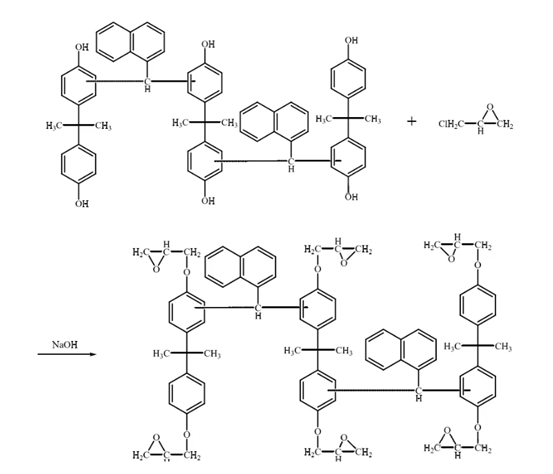
Currently, almost all commercialized epoxy resins are petroleum-based, and bisphenol A epoxy resin (DGEBA) accounts for about 90% of production. Bisphenol A is one of the most widely used industrial compounds in the world. However, in recent years, with the deepening of people's understanding of the biological toxicity of bisphenol A, many countries have banned the use of bisphenol A in plastic packaging and containers for food. In addition, DGEBA is easy to burn and cannot extinguish automatically after leaving the fire, which also limits its application scope. Therefore, the use of bio-based raw materials to prepare epoxy resin has gradually become a research hotspot in recent years.


Application

Bio-based epoxy resin has wide application prospects in the fields of automobiles, transportation, culture and sports, woodware, home furnishing, and construction. In particular, the demand for electronic appliances and coatings industries is growing. Composite materials and adhesives are increasingly used in various fields. As well as the advancement of the global green and sustainable development strategy, bio-based epoxy resin will usher in excellent development opportunities and market space.


Challange

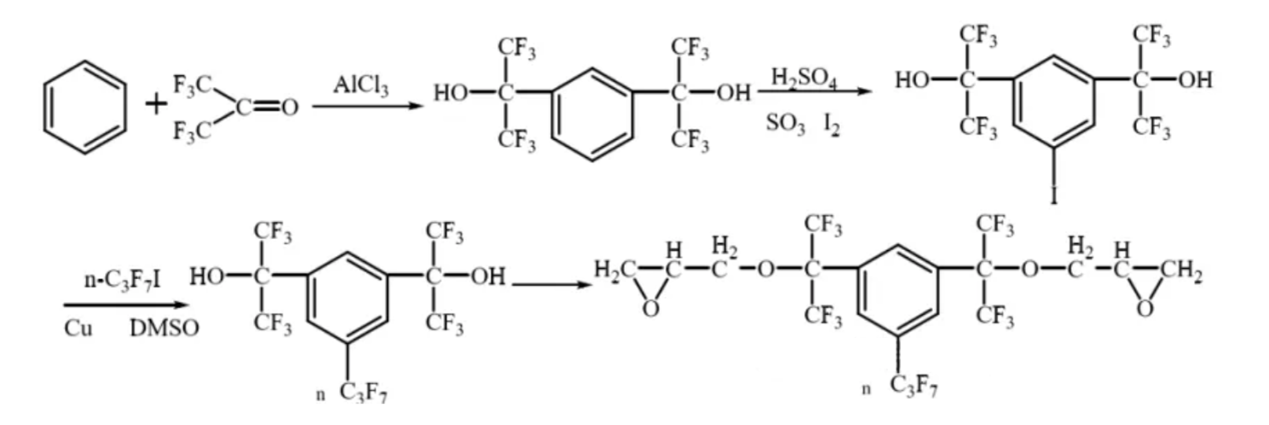
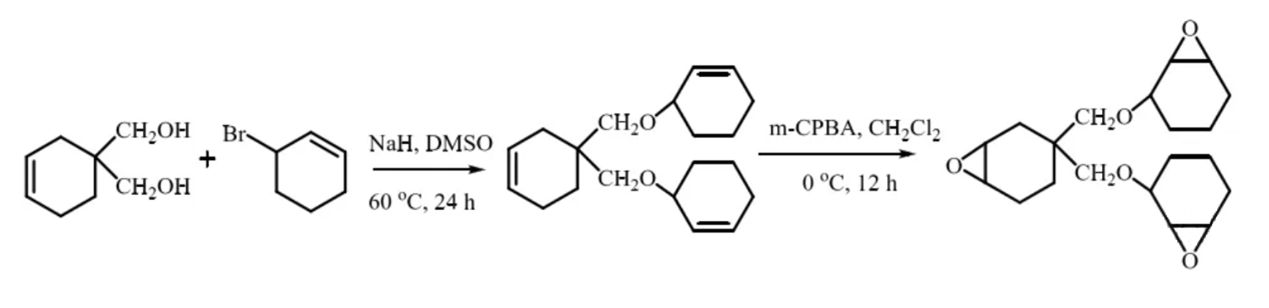
In recent years, researchers have designed and synthesized a variety of bio-based compounds with heterocyclic, aliphatic and aromatic rings to replace petroleum-based bisphenol A for the preparation of epoxy resins. However, the thermal stability and mechanical properties of current bio-based epoxy resins are still difficult to match those of bisphenol A-type epoxy resins. Therefore, it is still a big challenge to design and synthesize bio-based monomers that can meet the high performance and functional requirements of bio-based epoxy resins.It is also an important step to broaden the application scope of bio-based polymer materials and enhance their competitive advantages over petroleum-based polymer materials. At present, bio-based epoxy resins mainly include high-temperature resistant bio-based epoxy resins, intrinsic flame-retardant bio-based epoxy resins, toughening of bio-based epoxy resins, degradable and recycled bio-based epoxy resins, etc.


Development trend

With the diversification of molecular structure designs of bio-based compounds, the high-performance and functional advantages of bio-based epoxy resins have gradually become more prominent, and the composite materials constructed from them have shown excellent comprehensive properties. After analysis and data review, the future development trends of bio-based epoxy resins mainly include the following directions:

  1. Build a stable bio-based raw material supply system.
  2. Synthesize new bio-based epoxy resins from non-food sources.
  3. Construct a structure-function integrated bio-based epoxy resin polymer material system.
  4. Design degradable, self-healing and recyclable bio-based thermoset polymer materials.

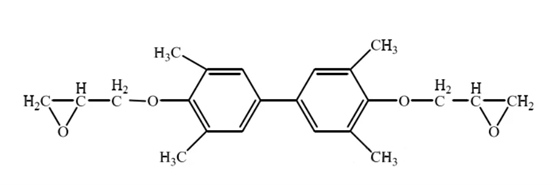
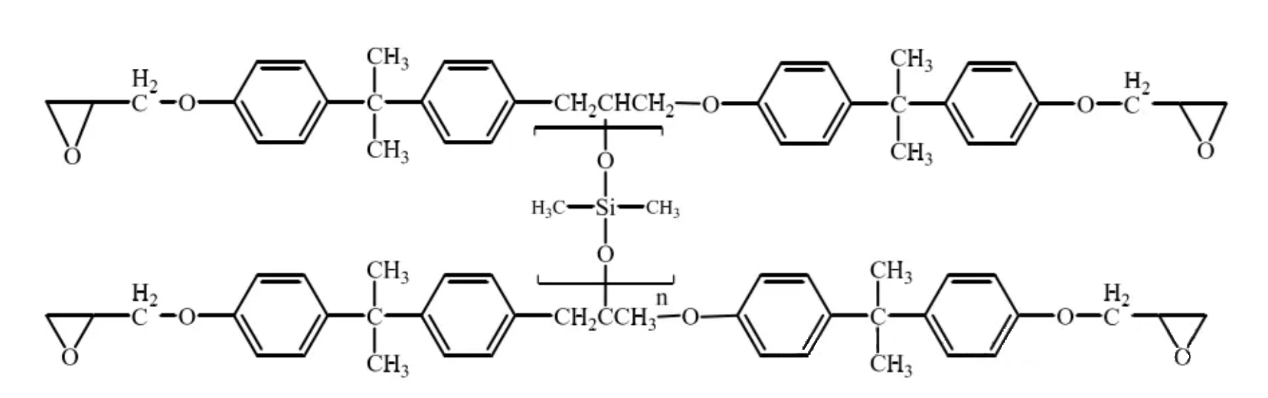
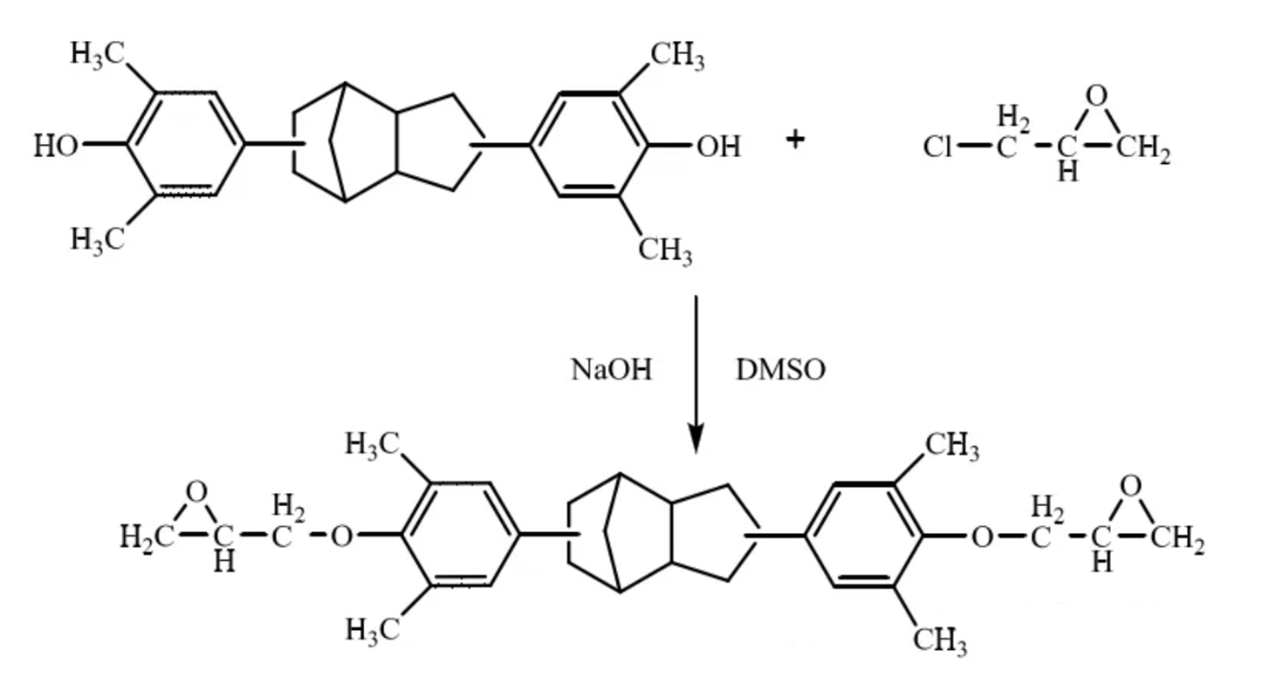
Nanjing Yolatech provides all kinds of high purity and low chlorine epoxy resins and specialty epoxy resin, including Bisphenol A epoxy resin, Bisphenol F epoxy resin, Phenolic epoxy resin, Brominated epoxy resin, DOPO modified phenolic epoxy resin, MDI modified epoxy resin, DCPD epoxy resin, Multifunctional epoxy resin, Crystalline epoxy resin, HBPA epoxy resin and so on. And we also could provide all kinds of curing agents or hardeners and diluents for epoxy resin application.


Characteristics of Aluminum Nitride Substrate

With the advent of the information technology revolution, the integrated circuit industry is developing rapidly. The increase in system integration will lead to higher power density, as well as increased heat generated by electronic components and systems. Therefore, effective electronic packaging must address the heat dissipation problem of electronic systems.


In this context, ceramic substrates, due to their excellent heat dissipation performance, have seen a rapid surge in demand, particularly aluminum nitride ceramic substrate. Packaging substrates primarily utilize the material’s high thermal conductivity to transfer heat from the chip (the heat source) and facilitate heat exchange with the external environment. For power semiconductor devices, the packaging substrate must meet the following requirements:


  1. High thermal conductivity to meet the heat dissipation needs of the device.
  2. Good thermal resistance to withstand high-temperature applications (above 200°C) of power devices.
  3. Matching of thermal expansion coefficients to reduce thermal stress in the packaging, which is essential for compatibility with chip materials.
  4. Low dielectric constant, good high-frequency characteristics, reducing signal transmission time, and improving signal transmission speed.
  5. High mechanical strength to meet the mechanical performance requirements of the device during packaging and application.
  6. Good corrosion resistance to withstand strong acids, strong alkalis, boiling water, organic solvents, and other corrosive substances.
  7. Dense structure to meet the hermetic sealing requirements for electronic devices.AlN substrate


How does aluminum nitride perform? As a ceramic substrate material, below is aluminum nitride's characteristics:


  1. High Thermal Conductivity: The theoretical thermal conductivity of aluminum nitride can reach up to 320 W/(m·K) at room temperature, which is 8 to 10 times higher than that of alumina ceramics. The actual thermal conductivity in production can be as high as 200 W/(m·K), which is beneficial for heat dissipation in LEDs and improving LED performance.
  2. Low Thermal Expansion Coefficient: The theoretical value is 4.6 × 10^-6/K, which is close to the thermal expansion coefficients of commonly used LED materials such as Si and GaAs. The change pattern of aluminum nitride’s thermal expansion coefficient is also similar to that of Si. Additionally, aluminum nitride matches well with the GaN crystal lattice. Thermal and lattice matching helps ensure a good connection between the chip and substrate during the fabrication of high-performance high-power LEDs, which is crucial for their performance.
  3. Good Insulation Properties: Aluminum nitride has a wide bandgap of 6.2 eV and excellent insulation properties, making it unnecessary to perform insulation treatment when used in high-power LEDs, simplifying the process.
  4. High Hardness and Strength: Aluminum nitride has a wurtzite structure with strong covalent bonds, giving it high hardness and strength. Moreover, it has good chemical stability and high-temperature resistance. It remains stable at temperatures up to 1000°C in air and can maintain good stability in a vacuum at temperatures up to 1400°C, making it suitable for sintering at high temperatures. Its corrosion resistance meets the requirements for subsequent processes.AlN powder

Based on the above characteristics, aluminum nitride features high thermal conductivity, high strength, high resistivity, low density, low dielectric constant, non-toxicity, and a thermal expansion coefficient that is compatible with Si, making it an excellent and promising ceramic substrate material.


China Aluminum Nitride Manufacturer:Xiamen Juci Technology Co.,Ltd

Website:www.jucialnglobal.com

Exploring the Flame Retardant Mechanism of PA6 and a Review of Common Flame Retardants


As preparation technologies continue to advance, Polyamide 6 has become a popular polymer material in various industries, including electronics, automotive, and telecommunications. Particularly, PA6 composites offer a wider range of structures and functional components.

However, when applied in these fields, PA6 composites often face extreme conditions such as high temperatures, flammability, electrical leakage, and short circuits, with flammability being one of the key indicators of whether PA6 composites can operate safely and effectively.

Unmodified PA6 has a flame retardant rating of UL94 V-2, with a limiting oxygen index (LOI) ranging from 20-22%. This means that when exposed to an open flame, PA6 burns quickly and has a tendency to drip, leading to the spread of the flame.

The situation becomes more complex with PA6 composites: some composite components can actually facilitate the combustion of PA6. For example, common glass fibers can accelerate the burning process due to the wick effect.

It is well known that industrial applications, such as automotive and electrical products, have strict flame retardant requirements for the materials used.  Therefore, PA6, which balances good flame retardancy with mechanical properties, is of significant research and commercial value. This is especially true today, as the price of PA66 remains high, making high flame-retardant PA6 composites highly promising.

This article will begin with the underlying principles and analyze strategies to suppress the combustion of PA6, as well as the current applications of common flame retardants.


(Long Glass Fiber Reinforced Polyamide 6)


The Combustion Mechanism of PA6


To extinguish the combustion of PA6, it is essential to understand how the fire starts. Combustion is generally classified into three forms: evaporation combustion, pyrolytic combustion, and solid surface combustion. PA6, like most polymer materials, undergoes pyrolytic combustion.

The main combustion process is as follows:
* First, the material is heated, and when the overall temperature of the material rises to around 200°C, it begins to visibly soften and melt. The polymer molecules on the surface of the material start to undergo thermal oxidation and decomposition.
* As the temperature continues to rise, the thermal oxidation and decomposition reactions become more complete, generating a large number of free radicals. These free radicals combine with the methylene groups in the PA6 molecular structure, accelerating the decomposition process.
* The numerous polar bonds in PA6 give the material a strong hygroscopic property. Under high temperatures, hydrolysis of the amide bonds also occurs, with the final hydrolysis products being small carbon-containing combustible molecules, mainly lactams and cyclopentanones.
* These small combustible molecules, under the influence of high temperature diffusion and convection, mix fully with oxygen and eventually ignite. The heat generated during this process is not only released to the surroundings but also acts on the PA6 itself, meaning that even if the external heat source is removed, the combustion process will continue.

This is the combustion process of PA6 and most polymer materials. After understanding this process, we can better design strategies to improve the flame retardancy of PA6.


Flame Retardant Design of PA6


It is well known that the essence of flame retardancy is to prevent or slow down the effects of combustion factors through physical and chemical actions. For PA6, this involves four key factors: heat source, air, combustible material, and free radical reactions.

Adding flame retardants without changing the PA6 matrix is an important method to eliminate the combustion conditions of PA6. Different flame retardants work in different ways to exert their flame-retardant effects. Based on the specific mode of action of the flame retardant, they can be classified into three categories: condensed phase flame retardancy, gas phase flame retardancy, and synergistic flame retardancy.


Gas Phase Flame Retardancy Mode
This refers to the action of the flame retardant in the gas phase, where it suppresses or interrupts the combustion reaction of the combustible gas mixture.
There are two specific ways in which gas phase flame retardancy works:
1. The flame retardant decomposes upon heating to generate free radical scavengers, which interrupt the free radical reactions and thus suppress the combustion process.
2. The flame retardant decomposes upon heating to release inert gases, which fill the area near the combustion center, significantly diluting the concentration of oxygen and combustible gases near the combustion zone. This suppresses the formation of combustion conditions and plays a flame-retardant role.

Condensed Phase Flame Retardancy Mode
Condensed phase flame retardancy refers to the action of the flame retardant primarily in the condensed phase, where it delays or prevents the thermal decomposition of the polymer, thus inhibiting the polymer’s combustion.
There are two specific ways in which condensed phase flame retardancy works:
1. The flame retardant decomposes upon heating during combustion, absorbing a large amount of heat generated in the combustion process, thus preventing further combustion.
2. The flame retardant undergoes a chemical reaction at high temperatures, producing solid metal oxides (such as aluminum oxide, boron oxide, and magnesium oxide) or high-density vapors. These products can form a layer on the surface of the burning material, isolating the polymer from external substances and energy exchange, thereby suppressing the combustion process.

Synergistic Flame Retardancy Mode
In addition, some flame retardants simultaneously exhibit both gas phase and condensed phase flame retardancy mechanisms. These flame retardants are considered to operate under a synergistic flame retardancy mechanism. Since the flame retardant acts in both the gas and condensed phases, the combustion of the polymer is more effectively suppressed.
Therefore, in terms of effectiveness, flame retardants that exhibit synergistic flame retardancy can provide more efficient flame retardancy, thus reducing the amount of flame retardant needed in PA6.


Applications of Different Flame Retardants


Based on the method of combination between the flame retardant and the PA6 matrix, the flame retardants used in PA6 can be divided into two main categories: reactive flame retardants and additive flame retardants.

Reactive Flame Retardants
Reactive flame retardants are added during the polymerization or processing of PA6. These flame retardants can chemically graft onto the PA6 molecular chain, incorporating flame-retardant elements or groups into the PA6.
Reactive flame retardants have good stability and minimal impact on the inherent properties of PA6. However, the use of reactive flame retardants is associated with complex processing conditions and high costs. Therefore, these flame retardants are not easily applied in the large-scale industrial production of flame-retardant PA6 composites.


Additive Flame Retardants
In comparison, additive flame retardants are more economical and easier to use. They are the primary type of flame retardant used in the industrial production of flame-retardant PA6 composites. Among additive flame retardants, they can be further classified into several categories based on the chemical structure of their active components, including halogen-based, phosphorus-based, nitrogen-based, and inorganic flame retardants.
Different types of flame retardants have varying flame-retardant efficiencies, and the structure of the flame retardant also has a certain impact on the basic physical and mechanical properties of PA6.
Therefore, the key to producing high-performance flame-retardant PA is to comprehensively consider both flame retardancy and mechanical factors and to select the appropriate type of flame retardant.

* Halogen-Based Flame Retardants
Halogen-based flame retardants are widely used in PA6 due to their good compatibility with PA6 and high flame retardant efficiency.
Additionally, halogen-based flame retardants can be used synergistically with metal oxide flame retardants, phosphorus-based flame retardants, charring agents, etc., to enhance their flame-retardant effects. Common flame retardants used in PA6 include Decabromodiphenyl oxide (DBDPO), 1,2-bis(pentabromophenyl)ethane (BPBPE), brominated polystyrene (BPS), pentabromodiphenyl ether (PBDO), polybrominated polystyrene (PDBS), polyphosphoric acid pentabromide (PPBBA), and brominated epoxy resin (BER).
Some domestic researchers have attempted to develop decabromodiphenylethane as a replacement for decabromodiphenyl ether to solve the dioxin problem caused by flame retardants. Additionally, they combined decabromodiphenylethane with antimony trioxide to improve the flame retardancy of PA6. When the ratio of the two is 13:5, the flame retardancy of modified PA6 can reach UL94 V-0 grade, with other properties comparable to pure PA6.

* Phosphorus-Based Flame Retardants
Halogen-based flame retardants carry the risk of "secondary hazards" and severe environmental pollution issues. As such, halogen-free flame retardant alternatives are becoming the major trend in the development of flame retardants.
Among halogen-free flame retardants, phosphorus-based flame retardants have the highest production and the widest range of applications. In terms of flame retardant mechanism, phosphorus-based flame retardants primarily function through the condensed-phase flame retardancy mechanism.

1. Red Phosphorus
Red phosphorus is a typical inorganic flame retardant. As it contains only phosphorus, it significantly improves the flame retardancy of PA6 at just a 7% addition, achieving UL94 V-0 grade.
However, red phosphorus is chemically reactive and can oxidize during conventional storage. Furthermore, pure inorganic phosphorus has poor compatibility with organic PA matrices. To solve these issues, red phosphorus is typically prepared as a microencapsulated flame retardant.
Studies have shown that adding 16% microencapsulated red phosphorus to 15% glass fiber-reinforced PA6 can increase the material's oxygen index to 28.5%, achieving a UL94 V-0 grade flame retardancy.

2. Ammonium Polyphosphate
Ammonium polyphosphate is another important inorganic phosphorus-based flame retardant commonly used in PA6 materials. Research indicates that when used alone, ammonium polyphosphate needs to exceed 30% to show significant flame retardant effects.
Combining ammonium polyphosphate with other phosphorus-based flame retardants can improve its flame retardancy efficiency. Studies show that when the amount of ammonium polyphosphate reaches 25%, the peak heat release rate of the material decreases by 44.3%, and the total heat release decreases by 20.2%, significantly improving PA6’s flame retardancy.
However, the study also found that simply increasing the amount of ammonium polyphosphate cannot solve the issue of flaming drips during PA6 combustion. Therefore, it is necessary to add certain anti-drip agents to PA6 when using ammonium polyphosphate as a flame retardant.

* Nitrogen-Based Flame Retardants
Nitrogen-based flame retardants are also widely used as environmentally friendly, halogen-free flame retardants. They offer advantages such as low toxicity, good thermal stability, low cost, and non-corrosiveness.
Nitrogen-based flame retardants that contain triazine in their molecular structure are commonly used in PA6 flame retardant modifications. Melamine (MA) and its inorganic and organic salts are typical examples of such compounds.

1. Melamine (MA)
MA significantly improves the flame retardancy of PA6. To overcome the poor dispersion of MA in the PA6 matrix, it is typically blended with other components. BASF has developed the KR4025 series flame retardant by combining MA with fluorides, which, when used in PA6, imparts both high toughness and good flame retardancy to the material.

2. Melamine Cyanurate (MCA)
MCA is essentially a large planar complex formed by MA and cyanic acid under hydrogen bonding. In recent years, MCA has become a hot topic for PA6 flame retardant modification.
Melamine polyphosphate can be used alone or combined with inorganic oxides as a flame retardant. Research has shown that using a nitrogen-phosphorus synergistic flame retardant made from melamine and polyphosphate, at a 25% loading in glass fiber-reinforced PA6, can achieve a UL94 V-0 flame retardancy grade. Additionally, the material’s tensile strength, tensile modulus, notch impact strength, flexural strength, and flexural modulus can reach 76.8 MPa, 11.7 GPa, 4.5 kJ/㎡, 98 MPa, and 7.2 GPa, respectively.

* Inorganic Flame Retardants
Inorganic flame retardants take advantage of the non-combustibility of inorganic materials and offer advantages such as low harmful smoke generation, good thermal stability, and resistance to degradation.
Currently, metal hydroxides and inorganic nanofillers are the main types of inorganic flame retardants used in PA6.
Magnesium hydroxide, when used in combination with other flame retardants, also plays a good synergistic flame-retardant role. Domestic researchers have blended magnesium hydroxide with aluminum hydroxide in a 3:1 ratio, and when used in glass fiber-reinforced PA6, the material maintains a tensile strength above 100 MPa, flexural strength exceeding 150 MPa, and an oxygen index of 31.7%.
Inorganic nanofillers not only improve the flame retardancy of PA6 but also enhance the material’s wear resistance, electrical and thermal conductivity, and colorability. Moreover, inorganic nanofillers are inexpensive, and filling PA6 with them significantly reduces the overall cost of the material.
Commonly used inorganic nanofillers include limestone, montmorillonite, talcum powder, silica, silicone resins, wollastonite, calcium sulfate, etc. These inorganic fillers are non-combustible and contribute to accelerating PA6’s charring, reducing molten drips, and blocking the transfer of heat and small molecules. Combining inorganic nanofillers with other types of flame retardants in flame-retardant PA6 achieves ideal flame retardant effects, which has been the subject of much research.


LFT-G's PA6 composite materials can achieve a UL94 V-0 flame retardancy rating.

You can contact us at any time for further data and information.


Advanced Composite Materials for Wind Turbine Blades Innovations in Wind Power Generation


Introduction

With the growing global demand for renewable energy, wind power, as a clean and renewable energy source, is increasingly gaining attention and preference from various countries. As one of the core components of wind power generation systems, the performance and quality of wind turbine blades directly affect the overall system’s generation efficiency and operational stability. The blades are key components of wind turbines, characterized by large dimensions, complex shapes, high precision requirements, and demanding strength, stiffness, and surface smoothness.


Wind Turbine Blade Composite Materials


Wind turbine blades have a hybrid structure, mainly consisting of components such as the skin, spar cap, and ribs. A variety of composite materials are used in the manufacturing of wind turbine blades, with fiber-reinforced composites being a notable type. Fiber-reinforced composites are made of fibers and resin matrices, offering excellent properties such as high strength, high modulus, light weight, and corrosion resistance. Applying fiber-reinforced composites in the manufacturing of wind turbine blades can significantly enhance the blades' strength and stiffness, while also reducing their weight and improving generation efficiency.


Commonly Used Composite Materials for Wind Turbine Blades

As a critical component of wind power equipment, composite materials play an essential role in the design and manufacturing of large wind turbine blades. Advancements in composite materials technology are significant for improving the performance of wind power equipment, reducing costs, and promoting the sustainable development of the wind power industry. The commonly used composite materials for wind turbine blades include Glass Fiber Reinforced Plastic (GFRP), Carbon Fiber Reinforced Plastic (CFRP), and Aramid Fiber Reinforced Plastic (AFRP).

Among them, GFRP dominates the manufacturing of non-structural components of wind turbine blades due to its low cost and good processability. CFRP, with its excellent mechanical properties and design flexibility, has become the material of choice for manufacturing structural components of wind turbine blades. AFRP, which offers performance characteristics between GFRP and CFRP, is used in local reinforcement and strengthening of wind turbine blades.


Manufacturing Processes of Composite Materials for Wind Turbine Blades

Composite materials offer numerous advantages in the manufacturing of wind turbine blades. The main manufacturing processes include hand lay-up molding, pre-preg molding, pultrusion, fiber winding, resin transfer molding (RTM), and vacuum infusion molding, among others.


Advantages of Composite Materials for Wind Turbine Blades

With the rapid development of the wind power industry, composite material wind turbine blades are evolving towards more complex, larger, and lighter designs. Various processes and materials are being applied in the manufacturing of wind turbine blades. Depending on the specific characteristics of the blades, selecting the appropriate processes and materials is crucial to achieving low-cost, high-quality wind turbine blades.


Composite materials, with their light weight, high strength, fatigue resistance, and corrosion resistance, have become the ideal choice for large wind turbine blades. They not only improve the performance and efficiency of the blades but also promote the sustainable development of the wind power industry. In the future, with the development and application of new composite materials, the integration of digital design and manufacturing technologies, and the widespread adoption of environmentally friendly and sustainable development concepts, the use of composite materials in large wind turbine blades will become even more widespread, driving the sustainable growth of the wind power industry.


Production Process of AlN Ceramic Substrates

Aluminum nitride (AlN) ceramics exhibit excellent overall properties and have become a widely researched next-generation advanced ceramic material in recent years. It possesses high thermal conductivity, low dielectric constant, low dielectric loss, excellent electrical insulation, a thermal expansion coefficient compatible with silicon, and non-toxicity, making it an ideal material for high-density, high-power, and high-speed integrated circuit substrates and packaging.


Although hot pressing and isostatic pressing are suitable for producing high-performance AlN ceramics, these methods are costly and have low production efficiency, which cannot meet the increasing demand for AlN ceramic substrates in the electronics industry. To solve this problem, many manufacturers have adopted the tap casting process to make AlN ceramic substrates in recent years. Tap casting has thus become the main forming process for AlN ceramic substrates used in the electronics industry.


Flow chart of tap casting method for making AlN substrate


1. Ball Milling and Slurry Preparation

In the preparation of AlN slurry, organic solvents such as dispersants, binders, and plasticizers are typically added to achieve the desired rheological properties for easy casting. Additionally, Y₂O₃ is often added as a sintering aid to promote sintering under normal atmospheric pressure. The viscosity of the slurry has a significant impact on the performance of the substrate. Factors influencing the viscosity include milling time, the amount of organic solvents, dispersants, binders, and plasticizers. Therefore, the choice of slurry formulation and process control has a substantial effect on the performance of the ceramic substrate.


2. Tap Casting 

Tap casting forming is a high-efficiency process that facilitates continuous and automated production, reducing costs and enabling mass production. The thickness of the produced substrate can range from less than 10 μm to over 1 mm. Tap casting is a critical step in the practical application of AlN ceramic substrates and holds great potential for future applications. Compared to other forming methods, Tap casting has several advantages:

  1. Simple equipment and process, enabling continuous production.
  2. Capable of producing single-phase or multi-phase ceramic thin films.
  3. Minimal defects, uniform performance, high production efficiency, and continuous operation.
  4. Suitable for both large and small batch production, making it ideal for industrial manufacturing.
  5. Particularly suitable for the preparation of large, thin ceramic components, which is a feature difficult to achieve with pressing or extrusion techniques.

3. Degassing

The green body of the substrate produced by tap casting contains a large amount of organic materials, resulting in a high porosity and low strength. If sintered directly, it may lead to excessive shrinkage, warping of the substrate, and adhesion between green bodies during sintering, which affects the yield and thermal conductivity. To prevent these defects, the green body is pre-fired in a nitrogen atmosphere furnace at 1100°C before sintering. This helps improve the strength of the green body, reduce porosity, and obtain AlN substrates with high flatness and good performance.


AlN substrate


4. Sintering

After degassing, the AlN substrates undergo high-temperature sintering. The sintering process for high thermal conductivity AlN substrates focuses on sintering methods, the addition of sintering aids, and the control of the sintering atmosphere.

Since AlN is a covalent compound with a small self-diffusion coefficient, densification during sintering is very difficult. Rare-earth metal oxides and alkaline earth metal oxides are typically used as sintering aids to promote sintering, though temperatures above 1800°C are usually required. There are three primary ways to achieve dense and high-performance AlN ceramics:

  1. Use of ultra-fine powders;
  2. Hot pressing or isostatic pressing;
  3. Introduction of sintering aids.

The five main sintering techniques for AlN substrates include hot-press sintering, pressureless sintering, microwave sintering, spark plasma sintering (SPS), and self-propagating high-temperature synthesis (SHS). Among these, hot-press sintering is currently the primary method for producing high thermal conductivity, dense AlN ceramics.


Xiamen Juci's AlN powder has the characteristics of high purity,low oxygen content,high sintering activity,and sharp size distribution. and it is widely used for tap casting AlN substrate.