Are water-based coating resins really more environmentally friendly than solvent-based ones?

With the increase of global environmental awareness, more and more manufacturers are looking for more sustainable raw materials and production processes. In the coating industry, water-based coating resins are becoming a new trend to replace traditional solvent-based coatings. So, are water-based coating resins really more environmentally friendly? Can it take into account both performance and environmental protection? This article will give you a comprehensive analysis of the environmental advantages and practical application value of water-based coatings.


What is water-based coating resin?

Water-based coating resin is a resin material with water as the main dispersion medium, which is used to prepare environmentally friendly coatings. Compared with traditional solvent-based resins that use organic solvents, water-based resins emit very few harmful gases and are more environmentally friendly and safe. With the development of coating technology, modern water-based resins have excellent film-forming properties, adhesion and weather resistance, and have been widely used in many industrial fields.


water-based coating resins


Environmental comparison between water-based resins and solvent-based resins

1. VOC emission comparison

Solvent-based coatings release a large amount of volatile organic compounds (VOCs) during use, posing a threat to the atmospheric environment and human health. Water-based resins use water as a dispersion medium, and the VOC content is much lower than that of solvent-based products, which complies with environmental regulations of various countries.


2. Production and construction safety

Water-based coatings are non-flammable, and the construction process is safer, reducing safety hazards such as workshop fires. Moreover, only clean water is needed to clean the equipment, reducing the use of harmful cleaning agents and further reducing the environmental burden.


3. Easier waste disposal

The waste liquid treatment after using water-based resins is relatively simple, which not only reduces industrial wastewater pollution, but also helps companies control environmental protection costs.


Is the performance of water-based coatings reliable?

The development of modern technology has significantly improved the performance of water-based coating resins. Especially in industrial applications, water-based coating resins have continuously enhanced their wear resistance, corrosion resistance and weather resistance, and have been widely used in the surface treatment of various materials such as metals, wood, and plastics.


Some high-end products can match or even surpass the gloss, hardness and adhesion of traditional solvent-based coatings, and can meet the high requirements of many fields from home to automobiles and electronic products.


Main application areas of water-based resins

1. Automobile manufacturing and maintenance spraying: used for body surface coating, environmental protection and paint film quality.

2. Wood furniture coating: environmentally friendly and odorless, suitable for interior decoration and furniture protection.

3. Electronic consumer product shell coating: high adhesion, high wear resistance, protection of parts, and improvement of product appearance texture.

4. Anti-corrosion coatings for building exterior walls and metal structures: Improve anti-aging performance and extend material life.

5. Green packaging and printing industry: Reduce residual solvent pollution and ensure food and daily chemical packaging safety.


Environmental protection and performance are both available, and the future development trend is clear


From the perspective of environmental protection, water-based coating resins are undoubtedly a greener and more sustainable choice. With the continued tightening of environmental protection policies and the pursuit of a healthy living environment by global consumers, the market share of water-based resins is steadily increasing.


On the technical level, the performance of water-based environmentally friendly coating materials continues to improve, providing a broader application space for industrial manufacturing.


As an innovative company focusing on water-based resin solutions, Lintec relies on years of technical accumulation and application experience to provide customers with high-performance, environmentally friendly water-based coating resin products covering multiple industrial fields.


Whether you are looking for environmentally friendly coating resins for metal, plastic or wood surfaces, Lintec can customize solutions for you to help companies achieve green transformation.


Understanding the New Inorganic Material - Aluminum Nitride (AlN) Ceramics

Aluminum Nitride (AlN) is a covalent compound with a hexagonal wurtzite crystal structure, characterized by lattice constants of a = 0.3110 nm and c = 0.4978 nm. In this structure, aluminum (Al) atoms are arranged in a hexagonal close-packed configuration, while nitrogen (N) atoms occupy half of the tetrahedral interstitial sites, forming distorted [AlN₄] tetrahedra—with an Al-N bond length of 0.1917 nm along the c-axis and 0.1885 nm in the other three directions. High-purity AlN ceramics are theoretically colorless and transparent, but in practice, they often appear grayish-white or light yellow due to impurities.


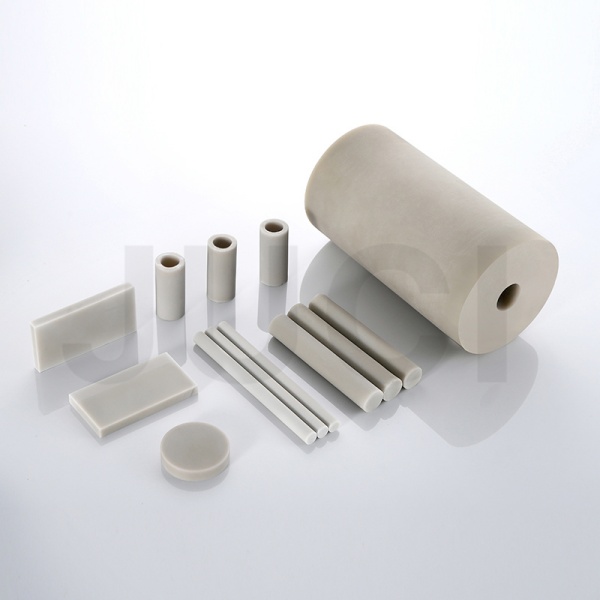
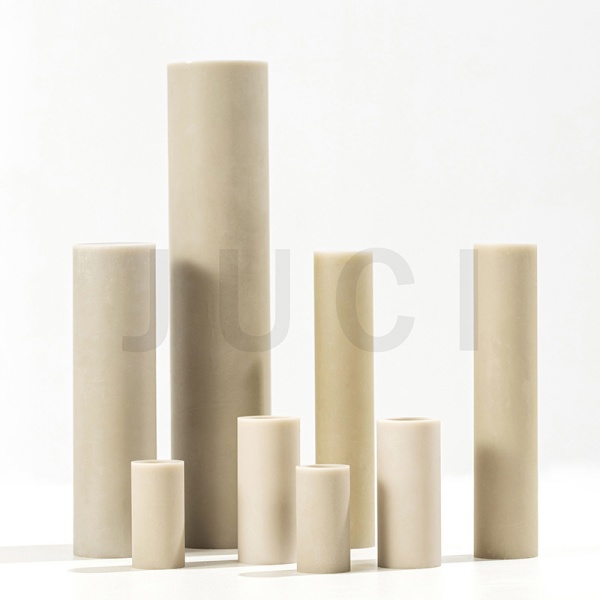
AlN ceramics


This wurtzite-type covalent crystal, based on [AlN₄] tetrahedral frameworks, has a density of 3.26 g/cm³ and decomposes at 2480°C under ambient pressure. The ceramic material exhibits the following advantageous properties:

①High mechanical strength at room temperature (gradually decreasing with rising temperature)

②Exceptional thermal conductivity

③Low dielectric constant and loss

④Small thermal expansion coefficient

⑤Excellent chemical inertness and biocompatibility

⑥Powder Synthesis Methods


The superior performance of AlN ceramics stems from high-quality AlN powder, which can be prepared via various techniques:

①Direct nitridation

②Carbothermal reduction

③High-energy ball milling

④Self-propagating high-temperature synthesis (SHS)

⑤In-situ reaction synthesis

⑥Plasma-assisted chemical vapor deposition (CVD)

⑦Solvothermal synthesis

⑧Organometallic salt decomposition

 high-quality AlN powder


Forming Techniques

Ceramic forming processes are categorized into two main approaches:

(1) Dry forming (suitable for simple shapes and high-cost products):

Conventional die pressing

Cold isostatic pressing (CIP)

(2) Wet forming (suitable for complex geometries and low-cost mass production):

Tape casting

Slip casting

Injection molding

Gel casting

Sintering Methods

Sintering with additives

Spark plasma sintering (SPS)

Microwave sintering

Pressureless sintering


AlN ceramic substrates


Applications

Thanks to its high volume resistivity, insulation strength, thermal conductivity, and low dielectric loss, AlN ceramics are widely used in:

Insulating  AlN substrates for high-power semiconductor devices

Heat dissipation AlN substrates for ultra-large-scale integrated circuits (ULSIs)

Surface acoustic wave (SAW) devices in high-frequency signal processors (leveraging its high acoustic velocity) High-temperature AlN crucibles (1300–2000°C) (due to excellent thermal stability)


AlN crucibles


Current Research Focus

Efforts are concentrated on:

Reducing synthesis costs for high-purity powders

Achieving low-temperature densification sintering

Stabilizing high-quality tape-cast substrates

If these technical challenges can be overcome, AlN ceramics will see broader adoption in microelectronics and other high-tech industries.


About Xiamen Juci Technology Co., Ltd.

Xiamen Juci Technology Co., Ltd. is a high-tech enterprise specializing in the research, development, production, and sales of high-performance ceramic materials. As a leading AlN powder manufacturer, the company is committed to providing high-quality aluminum nitride series products and solutions for industries such as electronics, semiconductors, and aerospace. With exceptional quality and service, Xiamen Juci has earned widespread trust from global customers.


Media Contact:
Xiamen Juci Technology Co., Ltd.

Phone: +86 592 7080230
Email: miki_huang@chinajuci.com

Website: www.jucialnglobal.com


Selection of defoamer in papermaking process

In the modern paper industry, the air and small air bubbles contained in the white water and the slurry have a huge impact on the papermaking of the paper machine, the formation of the paper web, and the quality of the paper after paper production. The generation of air bubbles depends on many reasons, such as the use of wet end chemicals, the jet agitation of stock in the size tank flow system, the addition of air during the suction process of the vacuum roll and the recovery of white water on the screen, etc. These air bubbles from all sides can easily lead to various production problems. The common ones are: the pulp is unstable in the flow delivery system, and the paper weight fluctuates; the dehydration ability of the paper is reduced during the forming process, and the fibers and undispersed fillers are easy to agglomerate, thereby reducing the evenness of the paper sheet; the air bubbles are also easy to cause foam dots, needle holes and other common paper defects. Therefore, the paper industry has high requirements for defoaming, and it is very important to control the air content in the headbox of the high-speed paper machine.

In the method of eliminating foam, only mechanical degassing is often not enough. Most modern paper mills use defoamers to more efficiently defoam pulp. Regarding the mechanism of action of the defoamer, it is generally believed that the defoamer with low surface tension enters the part of the bimolecular oriented bubble film, which destroys the mechanical balance of the oriented bubble film, resulting in foam breaking or foam suppression. There are mainly three types of defoamers mainly used in the paper industry in the market: silicone defoamer, fatty alcohol defoamer and polyether defoamer. Since the silicone defoamer contains silicone oil, it cannot meet the requirement of not affecting production in the papermaking industry. Therefore, fatty alcohol defoamer and polyether defoamer are generally used in the papermaking process.


Polyether defoamer is a non-ionic surfactant with outstanding anti-foaming ability.

The advantages of polyether defoamers are:

1. Polyether defoamer has strong defoamering effect, high stability and water dispersion performance.

2. Its defoaming performance is less affected by temperature and paper machine speed.

3. It can prevent paper breaks, hole spots, pinholes and other phenomena caused by foam.


antifoamchemical Fatty alcohol defoamer is polymerized by special process of fatty alcohol, etc. It can quickly penetrate into the liquid and spread out quickly, eliminating the stubborn foam caused by various surfactants.

The advantages of fatty alcohol defoamers are:

1. Fatty alcohol has a fast defoaming speed, does not participate in the papermaking reaction, and has no effect on the sizing effect.

2. It has a strong defoaming performance against white water in the production of paper or cardboard with waste paper as raw material.

3. It is easy to disperse in water, and its use is not limited by paper types and processes.


Aluminum nitride Why is it more expensive than other substrates, but difficult to find?

With the advent of the information technology revolution, the integrated circuit industry has developed rapidly. The increasing integration density of electronic systems leads to higher power density and greater heat generation from electronic components and the system as a whole. Therefore, effective electronic packaging must address the heat dissipation issues of electronic systems. 

In this context, ceramic substrates, with their excellent heat dissipation performance, have seen a rapid surge in market demand. Particularly for aluminum nitride (AlN) ceramic substrates, despite their significantly higher prices compared to other substrates, they remain in short supply, even to the point of being "hard to find." Why is this?


AlN ceramic substrates


The reasons are simple. The author believes there are three main points:Superior performance, worth the priceChallenging production processRapid market growth.

Today, we will delve deeper into these three aspects to better understand AlN ceramic substrates.


AlN ceramic substrates


01 Outstanding Thermal Conductivity

First, ceramic packaging substrates primarily rely on the material's high thermal conductivity to transfer heat away from the chip (heat source) and facilitate heat exchange with the external environment. For power semiconductor devices, packaging substrates must meet the following requirements:

High thermal conductivity to meet heat dissipation needs.

Excellent heat resistance to withstand high-temperature applications (above 200°C).

Matched coefficient of thermal expansion (CTE) with chip materials to reduce thermal stress in packaging.

Low dielectric constant for high-frequency performance, reducing signal transmission delay and improving speed.

High mechanical strength to meet the mechanical performance requirements during packaging and application.

Good corrosion resistance to withstand strong acids, alkalis, boiling water, organic solvents, etc.

Dene structure to meet the hermetic sealing requirements of electronic devices.


AlN ceramic substrates


So, how does aluminum nitride perform? As a ceramic substrate material,  AlN ceramic parts boast high thermal conductivity, high strength, high resistivity, low density, low dielectric constant, non-toxicity, and a CTE matching Si. These properties make it one of the most promising high temperature ceramic materials.


AlN ceramic substrates


02 Complex and Tedious Production Process

The production of AlN ceramic substrates is highly complex and tedious, primarily reflected in two aspects: the preparation of high-end AlN powder and the fabrication of the substrates. Lets explore these two areas separately.

1. Aluminum Nitride Powder

The quality of almost all industrial ceramic products is heavily influenced by the raw material quality, and AlN ceramic substrates are no exception.

(1) Powder Preparation Methods

As a high-performance powder material, researchers worldwide continue to innovate to address technical challenges in existing processes while exploring new, more efficient preparation methods. Currently, the most widely used industrial methods are carbothermal reduction and direct nitridation, which are mature, simple, and yield high-quality products.

(2) Multiple Factors Affect Powder Performance

The performance of AlN ceramic products depends directly on the characteristics of the raw powder, particularly its most valuable propertythermal conductivity. Key factors influencing thermal conductivity include:oxygen and other impurity content,sintering density,microstructure.These factors are reflected in the AlN powders purity, particle size, and shape.

(3) Hydrolysis Sensitivity and the Need for Modification

Despite its excellent properties, AlN powder has a major drawback: it is highly prone to hydrolysis. In humid environments, it readily reacts with hydroxyl groups in water to form aluminum hydroxide, creating an alumina layer on the surface. This layer dissolves oxygen into the lattice, reducing thermal conductivity and altering physicochemical properties, complicating its application.

The current solution is to coat the aluminum nitride particles with a substance that isolates them from water, preventing hydrolysis. Methods to inhibit hydrolysis include:surface chemical modification,surface physical coating.


AlN ceramic substrates


2. Substrate Fabrication

(1) Ceramic Substrate Forming

The primary method for preparing AlN ceramic substrates is tape casting.

(2) Critical StepSintering

Sintering is a crucial step in AlN substrate preparation.Pressureless sintering is the most common for AlN substrates due to its simplicity and low cost, but it typically requires high temperatures and sintering aids to achieve high performance.

The uniformity of sintering temperature in the furnace significantly impacts AlN ceramics. Research into temperature uniformity supports mass production, cost reduction, and commercialization.


AlN powder


For dense ceramic sintering, adding sintering aids is the most economical and effective method.These materials serve two purposes during sintering:

They react with surface AlO₃ to form liquid aluminates, promoting mass transfer via viscous flow. This adjusts particle contact angles, fills pores, and enhances densification.They react with oxygen, reducing lattice oxygen content.

In reducing atmospheres, sintering time and temperature must be carefully controlled to prevent AlN reduction. Neutral atmospheres (e.g., N) avoid this issue, making them preferable for producing high-performance AlN ceramics.


About Xiamen Juci Technology Co., Ltd.

Xiamen Juci Technology Co., Ltd. is a high-tech enterprise specializing in the research, development, production, and sales of high-performance ceramic materials. As a leading AlN substrate manufacturer, the company is committed to providing high-quality aluminum nitride series products and solutions for industries such as electronics, semiconductors, and aerospace. With exceptional quality and service, Xiamen Juci has earned widespread trust from global customers.


Media Contact:
Xiamen Juci Technology Co., Ltd.

Phone: +86 592 7080230
Email: miki_huang@chinajuci.com
Website: www.jucialnglobal.com


Is it necessary to use water-based paint for exterior wall coating

The world's coating variety structure is developing in the direction of reducing VOC, and water-based coating is one of the development directions. The proportion of traditional solvent-based coatings in China has gradually declined, and the development speed of water-based coatings is also very fast, but the low-grade varieties of polyvinyl alcohol still account for a large proportion. When choosing exterior wall coatings, whether water-based coatings are necessary depends on factors such as specific needs, environmental conditions and budget.

Advantages of water-based coatings

1. Environmental protection

 Low VOC (volatile organic compounds), small odor during construction, more friendly to the environment and human health, in line with environmental regulations (especially suitable for public places or areas with strict environmental standards).

Step 2: Security

● Non-flammable, low storage and construction risk, suitable for high-rise buildings or dense areas.

3. Breathability

● Water-based coatings usually have good permeability, can reduce the accumulation of water vapor inside the wall, reduce the risk of mildew, suitable for humid climate areas.

4. Convenient construction

● Can be diluted directly with water, easy to clean tools, suitable for DIY or quick construction.

5. Weather technological progress

● Modern water-based coatings (such as acrylic, silicon C class) ultraviolet resistance, weather resistance has been close to oil-based coatings, high-end products can meet the general climate needs.

Oil-based paint application scenarios

1. Extreme environments

● Oil-based coatings (such as solvent-based fluorocarbon paint) may be more durable in areas that are resistant to chemical corrosion, high temperature, high humidity or strong ultraviolet light (such as coastal, industrial areas).

2. Adhesion and hardness

 Oil-based paint has strong adhesion to the base and high hardness of the paint film, which is suitable for external walls that are easy to wear or need impact resistance.

3. Renovate old walls

 If the old wall has an oily coating, directly covering the water-based paint may require additional treatment (such as sanding, transition primer), and the oil-based paint is more compatible.

When is water-based paint recommended?

1. High environmental requirements

● Such as homes, schools, hospitals and other air quality-sensitive scenes.

2. Humid climate

● In the rainy areas in the south, the permeability of water-based coatings can reduce wall bubbling and peeling.

3. Conventional climate

● Medium and high-end water-based products (such as elastic latex paint) have been able to meet most climate needs, and the durability can reach 5-10 years.

Matters needing attention

 Base treatment: regardless of water or oil, the base needs to be clean and firm, and the alkaline is too high (new cement wall) needs to be covered.

● Product selection: Identify the brand and test report, pay attention to weather resistance, stain resistance and other indicators. For example, pure acrylic or silicone acrylic emulsion coatings perform better.

● Construction conditions: The construction temperature of water-based coatings is usually > 5 ° C to avoid rainy days.

Water-based coatings are the better choice in most cases, especially for scenarios that focus on environmental protection, breathability and ease of construction. However, if the budget is limited or the environment is extreme (such as strong corrosion, high cold), the cost performance of oil-based coatings can be evaluated. It is recommended to give priority to middle and high-end water-based products, and construction in strict accordance with specifications to balance performance and environmental protection needs.

We produce water-based acrylic emulsion for interior and exterior wall coatings. Welcome to inquire. Click here.

exterior latex acrylic emulsion paint


PET film surface pretreatment

PET Film

PET molecular structure is highly symmetrical, has a certain ability to crystal orientation, due to its molecular particularity, the general coating is difficult to attach on its surface, directly on its surface for spraying or printing, the coating is easy to peel, fall off. In order to increase the adhesion of PET material, it is necessary to pretreat its surface. There are mainly the following ways:

[1] Corona treatment

By corona treatment, the molecular structure of the substrate surface is rearranged to produce more polar parts, which is conducive to the adhesion of foreign objects. In order to make the PET substrate Dyne value should not decay with the passing of time, secondary corona treatment should be carried out on the PET substrate surface when spraying and printing. The machinery is expensive and complex to operate, and is not used by small and medium-sized enterprises.

[2] Flame treatment

The flame treatment head is covered on the PET surface, so that it instantly reaches a high temperature of 1000 degrees Celsius, and at high temperature, the macromolecules on the PET surface undergo oxidation reaction to produce polar groups, thereby increasing its adhesion. Due to the flame treatment temperature and the contact distance between the flame and PET, the PET surface will be burned due to poor operating contact or too long contact time.

[3] PET Promoter / primer

1.With PET Promoter / primer on the PET surface for 10-15 μm spraying (coating), after drying can be rolled up, and can be reprinted or sprayed on its coating at any time within a year.

2.With PET Promoter /primer main agent, can add color paste, gold and silver powder, conductive material, magnetic material on PET material screen printing, spraying, printing.

3.PET Promoter / primer low price, easy to operate, widely used in film printing, keyboard screen printing, conductive, magnetic coating carrier, model pre-coating PET material.

If you want to know more about the product information, or need samples, please contact us.

primer paint

Sinograce Chemical Acrylic Emulsion for Water-based Ink

Acrylic emulsion for water-based ink

Acrylic emulsion for water-based ink

SA-8408 SA-8409 is a special modified acrylic emulsion, which has excellent adhesion on PET, OPP, BOPP and other film materials. The product has excellent alcohol solubility, and can improve the drying speed with alcohol in any ratio of mutual solubility. It is widely used in ink packaging industry.

Acrylic emulsion for water-based ink

Product features

Good adhesion on the film material

Excellent alcohol solubility


Acrylic emulsion

Typical Properties

Features

Value

Appearance

Milky translucent bluish liquid

Viscosity @25℃

<3000cps

SolidContent

42-44%

GlassTemperature

7℃

pH

7.0-8.0


Applications

Recommended for inks

Acrylic emulsion for water-based ink

Storage

The resin should be stored in a properly sealed container at 5 ~ 35°C;

Under these conditions, the storage stability of this product is 6 months

For samples or information, please contact us


Acrylic emulsion for water-based ink

Waterborne polyurethane resin for leather top coating

Leather finishing is generally divided into bottom coating, middle coating and top coating three parts. The bottom coating requires strong adhesion, hiding power, good embossing formability and stereotyping, and the middle coating further covers and corrects the color, and finally achieves the visual and physical performance requirements through the top coating. With a specific top coat, the effect of extinction or light can be created.

Waterborne polyurethane resin is the main material commonly used in leather coating. Its film forming performance is good, the bond is firm, and the coating has the characteristics of high wear resistance, high elasticity, water resistance, weather resistance, cold resistance, chemical resistance and so on. After finishing, the finished leather feels full and comfortable, which improves the grade of the finished leather and plays a role in protecting the leather.

In order to meet customers' pursuit of quality and meet the most stringent environmental requirements, Sinograce Chemical launched two single-component waterborne polyurethanes, which are polymerized from aliphatic isocyanates. Excellent adhesion, good adhesion resistance, comfortable feel, no yellowing, good weather resistance. The products are widely used in leather shoes, belts, sofas and luggage leather and other leather products. For leather top finish to provide excellent gloss and permeability, excellent wear resistance and weather resistance.

Product features and applications

PU-403

PU-404

Very high gloss and excellent transparency

Natural light, high penetration

High hardness, high temperature and high humidity resistance

High hardness, good flexibility

Feel smooth, excellent water resistance

Feel smooth, good weather resistance, solvent resistance

Low odor, low VOC, no APEO, NMP and tin substances

Low odor, low VOC, no APEO, NMP and tin substances

If you want to know more about the product information, or need samples, please contact us.

water based polyurethane for leather coating

Carboxylated Polyvinyl Alcohol (CPVA)

I. Definition of Carboxylated Polyvinyl Alcohol (CPVA)
Carboxylated polyvinyl alcohol is a hydrogen-modified polymer obtained through a carboxylation reaction based on polyvinyl alcohol (PVA). CPVA  has typically higher solubility and better performance than unmodified PVA.


II. Functions of Carboxylated Polyvinyl Alcohol

  1. Plasticizer
    CPVA can be used as a plasticizer to improve the processing properties and flexibility of plastics. It is often used in the production of soft plastics, coatings, and rubber products.

  2. Adhesive
    CPVA can act as an adhesive, forming strong bonds between different materials. For example, when used as glue, it can bond materials such as paper, wood, and plastic together.

  3. Lubricant
    CPVA can function as a lubricant, reducing friction on contact surfaces and extending the lifespan of materials. It is commonly used in industrial applications such as metalworking, textile manufacturing, and plastic processing.

III. Applications of Carboxylated Polyvinyl Alcohol

  1. Packaging Materials
    CPVA is used in manufacturing food packaging materials, such as wrapping paper, plastic films, and straws. This polymer is not only safe and environmentally friendly but also provides excellent flexibility and water resistance, offering effective protection for food packaging.

  2. Paper Coating
    CPVA is used to coat paper, enhancing its strength and water resistance. It is commonly applied in the production of books, magazines, and other paper-based products.

  3. Medical Field
    CPVA is used to manufacture medical products, such as sutures and artificial cartilage. It has good biocompatibility and poses no adverse effects when in contact with human tissues, ensuring the safety and reliability of medical materials.


Conclusion
Carboxylated polyvinyl alcohol is a multifunctional material with applications as a plasticizer, adhesive, and lubricant. It is widely used in packaging materials, paper coatings, and the medical field.


Website: www.elephchem.com

Whatsapp: (+)86 13851435272

E-mail: admin@elephchem.com
 

EVOH materials the future of environmentally friendly packaging

EVOH (Ethylene Vinyl Alcohol Copolymer) is considered to be a more environmentally friendly material, mainly in terms of its advantages in reducing food waste, prolonging product freshness, and in the recycling process.EVOH's gas barrier properties are excellent, and it can effectively prevent oxygen, water vapor, and other substances from entering into the package, thus prolonging the shelf-life of the food, and reducing food spoilage and waste. This feature makes EVOH particularly important in food packaging, and can significantly reduce the environmental burden caused by food expiration or spoilage.


In addition, EVOH has good recyclability, and although its recyclability is not as good as that of materials such as PE (polyethylene) and PP (polypropylene), it can be used in combination with these materials to take advantage of the strengths of both materials; PE and PP have better mechanical strength and chemical resistance, while EVOH provides a better barrier to gases. Through composite use, this multi-layer packaging material ensures packaging functionality while allowing for easier disposal during recycling, helping to reduce resource waste.


What's more, EVOH is produced in a relatively environmentally friendly manner and does not release harmful substances during its use. Compared to other traditional plastic materials, the use of EVOH reduces the need for chemical additives, further minimizing the impact on the environment. Therefore, EVOH is playing an increasingly important role in promoting green packaging and circular economy, becoming an environmentally friendly and sustainable packaging material.


Website: www.elephchem.com

Whatsapp: (+)86 13851435272

E-mail: admin@elephchem.com